When a car reaches the end of its life, many people see it as waste. It may not start. It may be damaged beyond repair. It may cost too much to fix. Yet that vehicle still holds metal, plastic, rubber, and glass that can be used again. This is where cash for cars services connect with the circular economy.
The circular economy is a system where products and materials are kept in use for as long as possible. Instead of throwing items away, they are reused, repaired, or recycled. Wrecked vehicles play an important part in this system across Australia.
What Is the Circular Economy
The circular economy is based on three main ideas. First, reduce waste. Second, keep materials in use. Third, recycle resources at the end of their life.
In a traditional system, products are made, used, and then discarded. This is known as a linear model. It follows a take, make, and dispose pattern. The circular economy changes this path. It aims to close the loop so materials return to production rather than ending up in landfill.
Cars are a strong example of how this system can work in real life.
Why Old Cars Still Matter
A car is made from many materials. Steel forms a large part of the body. Aluminium is used in engines and panels. Copper is found in wiring. Plastic appears in dashboards and trims. Rubber is used in tyres and seals.
When a vehicle is wrecked or too old to drive, these materials do not lose their basic properties. Steel can be melted and reused many times without losing strength. Aluminium can also be recycled again and again.
In Australia, a large share of a scrapped vehicle can be recovered. This reduces pressure on mining and raw material extraction.
For more information, please visit our website: https://www.bestcashforcarz.com.au/
The Role of Cash for Cars Services
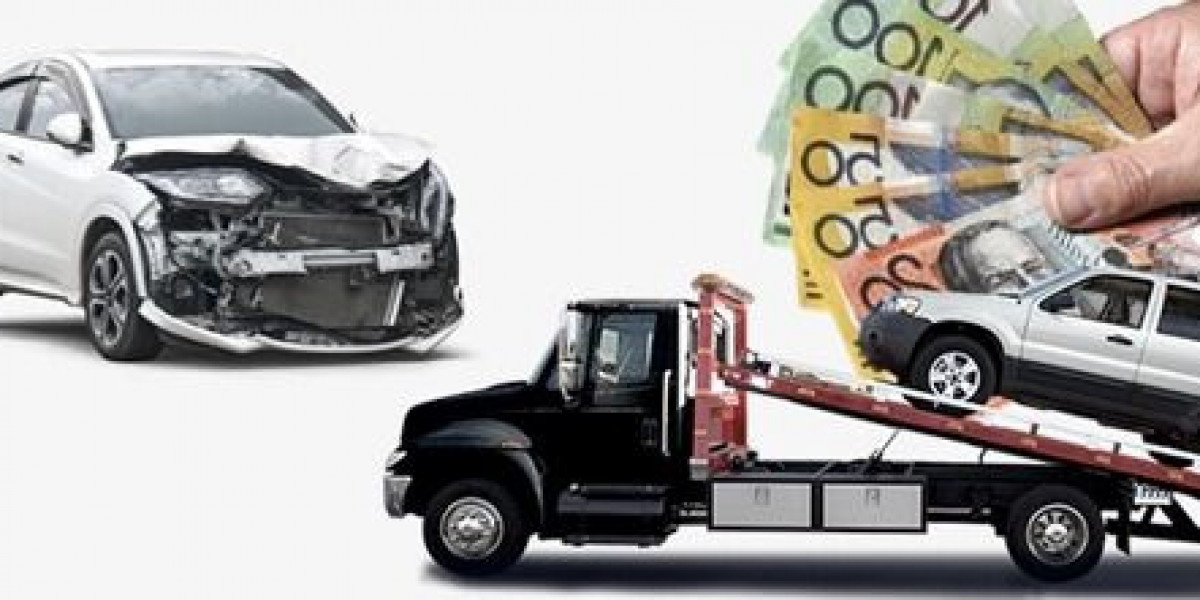
Cash for cars services collect unwanted vehicles from homes, streets, and workshops. They pay owners and move the vehicle to a dismantling yard. This step prevents cars from being left to rust in backyards or empty blocks.
Once at the yard, the vehicle enters a planned process. Fluids are drained. Parts are removed. Metals are sorted. Each stage supports the circular economy by keeping materials in use.
Without this link between car owners and recycling yards, many vehicles would not enter the recycling chain.
Dismantling and Reuse of Parts
One of the strongest links to the circular economy is the reuse of parts. Engines, gearboxes, alternators, and radiators are often removed and tested. If they still work, they are sold as used parts.
This reuse extends the life of other vehicles. A working engine from one car may keep another car on the road for years. This reduces the need to manufacture new engines. Manufacturing requires energy, water, and raw materials.
Reusing parts reduces demand for new production. It also lowers waste.
Recycling Metals and Materials
After reusable parts are removed, the remaining shell is prepared for recycling. Steel from vehicles is shredded and melted. Recycling steel uses less energy than producing new steel from iron ore. This helps lower greenhouse gas emissions linked to metal production.
Aluminium is separated and recycled. Recycling aluminium uses far less energy than creating it from bauxite ore. Copper from wiring is also recovered and returned to industry.
Tyres are processed into rubber products. Car batteries are sent to recycling plants where lead is recovered and reused.
Each of these steps supports the circular economy by keeping materials in circulation.
Environmental Impact
Old cars can harm the environment if left untreated. Fluids such as engine oil and coolant can leak into soil. Batteries contain chemicals that may cause pollution. Scrap yards reduce this risk by draining fluids and handling materials under controlled conditions.
By recycling metals, the industry also reduces the need for mining. Mining activities can disturb land and water systems. Recycling lowers the demand for fresh extraction.
In this way, wrecked vehicles help reduce environmental pressure when they are processed correctly.
Economic and Community Impact
The circular economy does not only support the planet. It also supports local jobs. Towing drivers, dismantlers, metal workers, and transport operators all play a part in the process.
Materials recovered from old cars move into other industries. Recycled steel may become building material. Recycled aluminium may appear in new vehicles or household items. Copper returns to electrical systems.
This cycle keeps resources moving through the economy rather than sitting unused in landfill.
The Importance of a Scrap Car Buyer
A Scrap Car Buyer acts as a bridge between car owners and recycling facilities. When someone decides to sell an unwanted vehicle, this buyer ensures the car enters the dismantling and recycling system. This prevents waste and supports material recovery.
Without this step, many vehicles would remain unused and slowly break down in open spaces. Linking sellers to recycling yards is a key part of the circular economy.
Turning Unwanted Cars into Part of the Solution
When people decide to clear space in their driveway, they often look for a company that will take the vehicle and pay for it. Services such as Best Cash For Carz connect car owners to the recycling chain described above. By collecting unwanted cars and directing them to dismantling yards, they help move vehicles from private property into a system where parts are reused and metals are recycled. This link supports the wider goal of keeping materials in use rather than letting them become waste.
Reducing Landfill Through Vehicle Recycling
Landfill space is limited. Large objects such as vehicles take up significant room. Cars are also made from materials that do not break down quickly.
By sending vehicles to dismantling yards instead of landfill, a large share of the material is recovered. Steel, aluminium, and copper return to industry. Rubber and plastic are processed where possible. Only a smaller portion remains as waste.
This reduction in landfill supports long term waste management goals in Australia.
A Practical Example of Circular Thinking
The circular economy is often discussed in policy and planning. Cash for cars services show how it works in daily life. A damaged vehicle leaves a driveway. It is dismantled. Parts are reused. Metals are recycled. Those materials return to factories and workshops.
This closed loop reduces waste and lowers the demand for new resources. It also shows that even a wrecked vehicle still has purpose.
Conclusion
Cash for cars services play a clear role in the circular economy. They connect unwanted vehicles with dismantling yards. They help recover parts and recycle metals. They reduce landfill and lower the need for fresh mining.
Wrecked vehicles are not only scrap. They are sources of steel, aluminium, copper, and reusable components. When processed in the right way, they support resource recovery and environmental care across Australia. Through collection, dismantling, and recycling, old cars help close the loop and become part of a system that keeps materials in use for longer.