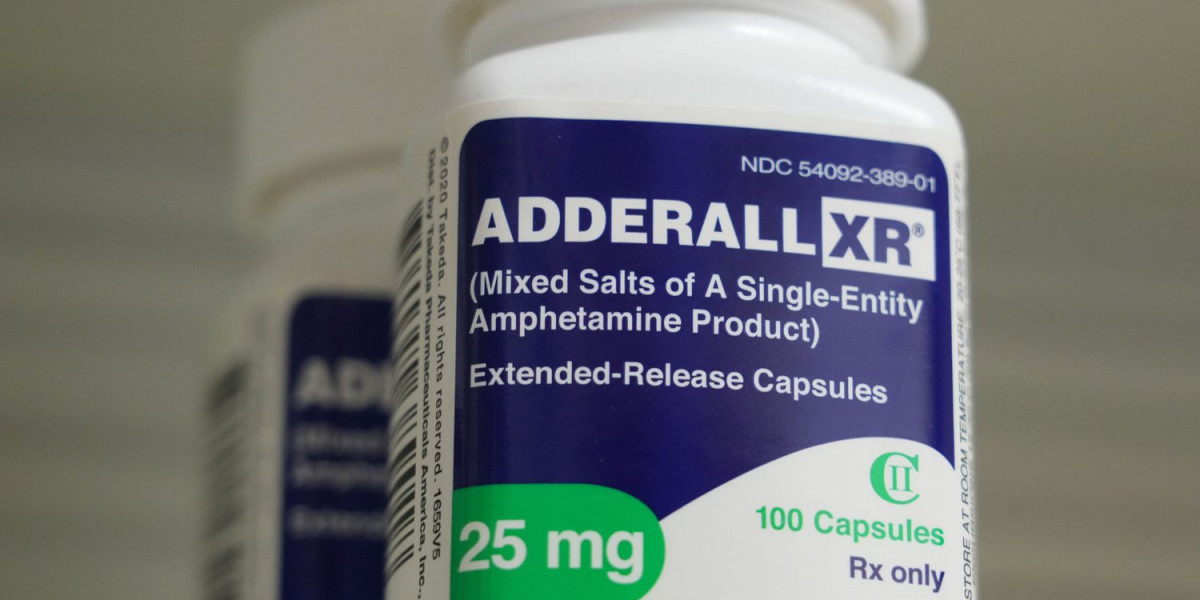
Adderall 10mg is often considered a starting dose for individuals who are new to stimulant medications or who require a lower level of symptom control. Many patients and caregivers wonder whether adderall 10mg can deliver outcomes comparable to higher strengths, especially when managing attention deficit symptoms, focus challenges, or productivity needs. The answer depends on several clinical and personal variables, including tolerance, body chemistry, and the severity of symptoms.
In many cases, adderall 10mg can provide meaningful improvements in concentration, alertness, and impulse control, particularly for beginners or those with mild to moderate symptoms. However, comparing it directly to a higher dose requires understanding how dosage influences efficacy, duration, and side effects. This blog explores whether a lower dose can truly match the results of a stronger formulation and what factors determine the effectiveness of each.
How Adderall 10mg Works in the Body
Adderall 10mg functions by increasing the levels of neurotransmitters like dopamine and norepinephrine in the brain. These chemicals are responsible for regulating attention, motivation, and executive functioning. When taken as prescribed, this dosage can help improve focus, reduce hyperactivity, and enhance cognitive performance in individuals diagnosed with ADHD.
The effectiveness of adderall 10mg largely depends on how sensitive a person is to stimulant medications. For some individuals, even a small dose produces noticeable improvements without significant side effects. Others may require gradual dosage adjustments to achieve optimal results. This variability highlights why dosage is not a one-size-fits-all solution.
Factors That Influence Effectiveness
Several factors determine how well adderall 10mg performs for a specific individual. Body weight, metabolism, and medical history all play a role in how the medication is absorbed and utilized. Additionally, prior exposure to stimulant medications can influence how the body responds to a lower dose.
Lifestyle factors such as sleep quality, diet, and stress levels can also impact the effectiveness of adderall 10mg. Someone with a structured routine and healthy habits may experience better results compared to someone with inconsistent sleep or high stress, even when taking the same dosage.
Duration and Onset of Action
Adderall 10mg typically begins to take effect within 30 to 60 minutes after ingestion. Its effects can last between 4 to 6 hours, depending on individual metabolism and whether it is taken with food. This makes it suitable for shorter periods of focus, such as studying or completing specific tasks.
In comparison, higher doses may extend the duration of effectiveness, but they also increase the likelihood of side effects. For many users, adderall 10mg strikes a balance between improved focus and manageable duration, especially for those who do not require all-day symptom control.
Comparing with adderall 30 mg sandoz
When evaluating adderall 10mg against adderall 30 mg sandoz, the most obvious difference is the dosage strength. The higher dose delivers a stronger stimulant effect, which may be necessary for individuals with more severe symptoms or those who have developed tolerance over time.
However, adderall 30 mg sandoz does not automatically guarantee better results for everyone. Some individuals may find the higher dose too intense, leading to side effects such as anxiety, restlessness, or insomnia. In such cases, adderall 10mg may actually provide a more effective and sustainable solution.
Can Lower Doses Deliver Comparable Results?
The idea that a lower dose can match the performance of a higher one depends on the individual’s baseline needs. For someone with mild ADHD symptoms, adderall 10mg may deliver results that feel nearly identical to those achieved with stronger doses, especially in terms of improved attention and reduced distractions.
On the other hand, individuals with more pronounced symptoms may find that adderall 10mg provides only partial relief. In such cases, increasing the dosage under medical supervision may be necessary to achieve the desired level of symptom control. The key is finding the lowest effective dose that provides consistent benefits.
Situations Where Lower Dose Works Best
Adderall 10mg is often sufficient for beginners, adolescents, or individuals who are particularly sensitive to stimulants. It allows the body to adjust gradually while minimizing the risk of side effects. This makes it an ideal starting point in many treatment plans.
Additionally, adderall 10mg may be preferred for tasks that require moderate focus rather than intense concentration. For example, it may be adequate for routine work, light studying, or managing daily responsibilities without overstimulation.
Limitations of a Lower Dose
While adderall 10mg can be effective, it may not provide enough coverage for individuals who need sustained attention throughout the day. Its shorter duration means that additional doses or extended-release formulations might be required.
Another limitation is that the cognitive enhancement provided by adderall 10mg may plateau for some users. In these cases, increasing the dosage may lead to more noticeable improvements, but this must always be balanced against the risk of side effects and dependency.
Balancing Effectiveness and Safety
Choosing between adderall 10mg and a higher dose involves more than just comparing effectiveness. Safety, tolerability, and long-term sustainability are equally important considerations. A lower dose often reduces the risk of adverse effects such as increased heart rate, anxiety, or sleep disturbances.
Healthcare providers typically recommend starting with adderall 10mg and adjusting gradually based on the patient’s response. This approach helps identify the optimal dosage while minimizing risks. It also ensures that patients do not take more medication than necessary to achieve their goals.
Side Effects and Tolerability
Adderall 10mg is generally associated with fewer and less severe side effects compared to higher doses. Common side effects may include mild appetite suppression, slight insomnia, or dry mouth, but these are often manageable and temporary.
In contrast, higher doses like adderall 30 mg sandoz may increase the likelihood of more intense side effects. This includes heightened anxiety, irritability, and cardiovascular strain. For many individuals, the reduced side effect profile of adderall 10mg makes it a more appealing option.
Long-Term Considerations
Long-term use of stimulant medications requires careful monitoring to prevent tolerance and dependency. Starting with adderall 10mg can help delay the need for higher doses, preserving effectiveness over time.
Additionally, maintaining the lowest effective dose supports better overall health outcomes. It reduces the burden on the cardiovascular system and minimizes the risk of psychological dependence, making adderall 10mg a sustainable choice for many users.
Final Thoughts
Adderall 10mg can provide results similar to higher doses in certain situations, particularly for individuals with mild symptoms or those who are new to stimulant medications. Its effectiveness depends on a range of personal factors, including metabolism, sensitivity, and lifestyle. While it may not fully replace stronger doses for everyone, it often delivers meaningful improvements with fewer side effects.
Ultimately, the decision between adderall 10mg and a higher dosage should be guided by a healthcare professional. The goal is not to take the strongest dose available, but to find the one that offers consistent benefits with minimal risks. For many individuals, adderall 10mg represents a balanced and effective starting point that can meet their needs without unnecessary escalation.