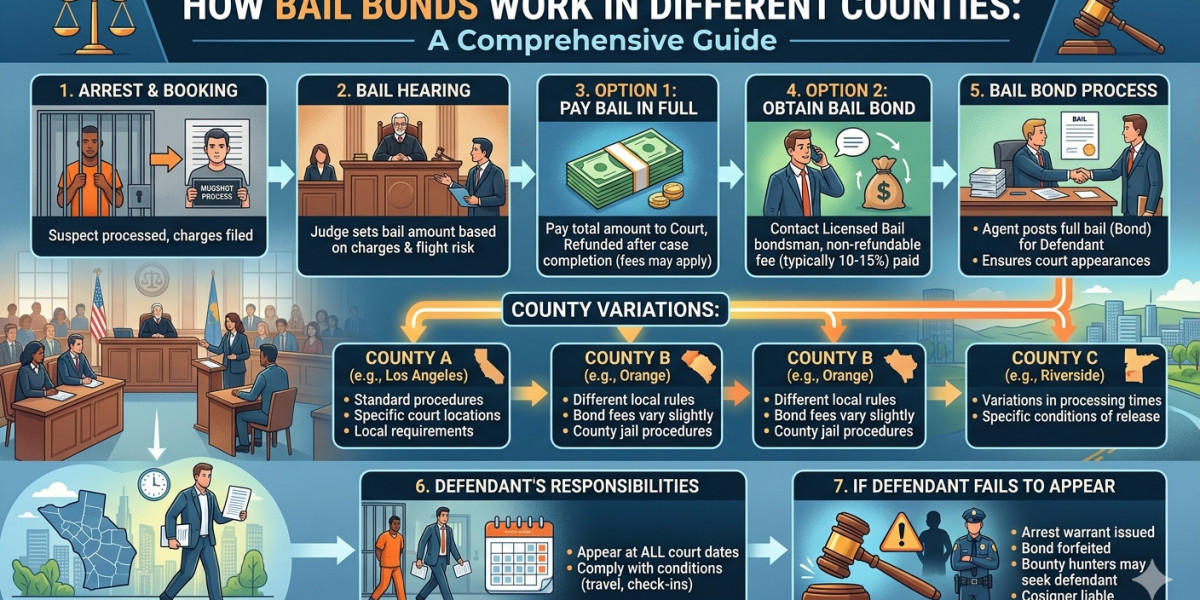
When someone is arrested, one of the first things that come to mind is how they can get out of jail. In many cases, bail is set, and a defendant must pay a certain amount of money or collateral to be released before their trial. Bail bonds are an essential part of the process, but how they work can vary depending on the county where the arrest takes place. Understanding how bail bonds work in different counties can help you navigate the process smoothly and ensure the release of your loved one in a timely manner.
In counties across the United States, bail bond services are a critical part of the criminal justice system. If you find yourself needing help with bail, you can turn to services like 24/7 bail bonds in North Carolina for immediate assistance. However, the process may look a bit different depending on where the arrest occurs.
The Basics of Bail Bonds
Before diving into county-specific details, it's important to understand the basics of how bail bonds work. A bail bond is a form of insurance that guarantees the defendant will appear in court for their scheduled hearings. If the defendant fails to appear, the bond is forfeited, and the bail bondsman is responsible for paying the full bail amount. In most cases, a bail bondsman will charge a non-refundable fee (usually around 10% of the total bail amount) for their services.
Once the fee is paid, the bondsman will post the bail, and the defendant can be released from jail. The process sounds simple, but how it is handled can vary significantly from one county to another. Different counties have their own rules and procedures for bail bonds.
Differences in Bail Bond Procedures Across Counties
The way bail bonds are handled can differ depending on the county's rules, local regulations, and the severity of the offense. Here are a few key factors that vary across counties:
Bail Amounts and Conditions
The amount of bail set is typically based on the type of crime committed, the defendant’s criminal history, and the likelihood of the defendant fleeing. In some counties, judges may have more discretion in setting bail amounts, while in others, bail schedules (a predetermined list of standard bail amounts based on the offense) are followed.
Certain counties may also have stricter conditions attached to bail. These conditions could include requirements like regular check-ins with a probation officer or the use of an ankle monitor. In contrast, other counties may be more lenient in their bail conditions, allowing for fewer restrictions on the defendant.
Bail Bondsman Availability
Some counties have a higher concentration of bail bondsmen, making it easier to find one who can quickly post bond. In more rural counties, there may be fewer bail bond agents available, meaning it might take longer to arrange for bail. This can cause delays in getting someone out of jail, especially if the bond is set outside of business hours.
It’s important to know that not all bail bondsmen operate in every county. Some may only be licensed in specific counties, while others may cover multiple counties. Always make sure to choose a licensed and reputable bondsman familiar with the rules of the county where the arrest took place.
Types of Bail Bonds
In some counties, there are different types of bail bonds that can be used depending on the circumstances of the case. For example:
- Cash Bail: In some cases, defendants may be able to pay the full bail amount in cash. This is more common in smaller counties where the crime is considered less severe.
- Surety Bond: This is the most common type of bond and involves a bail bondsman posting the bail in exchange for a non-refundable fee.
- Property Bond: In certain counties, defendants may be allowed to use property as collateral for the bond, rather than paying cash.
Some counties may offer more flexibility with the types of bonds available, depending on local laws and regulations.
Bond Forfeiture and Consequences
If a defendant fails to appear in court, the bond is forfeited, and a bench warrant is issued for their arrest. However, different counties may have different processes for dealing with bond forfeiture. Some counties may issue a quick warrant, while others may take longer to react.
Additionally, some counties have a more aggressive approach when it comes to locating and arresting individuals who skip bail. In these areas, bail enforcement agents may be hired to track down the defendant and return them to custody.
The Importance of Choosing the Right Bail Bond Service
Given that the bail process can vary from county to county, it’s important to choose a bail bondsman who understands the rules and regulations in the area where the arrest took place. Working with a bondsman who is familiar with local procedures will help ensure that the process goes smoothly, and your loved one is released without unnecessary delays.
If you find yourself needing reliable assistance with traffic bonds or other bail-related matters, consider reaching out to a service like reliable traffic bond service to get the help you need.
Final Thoughts
The process of obtaining a bail bond and securing the release of a defendant can vary depending on the county. While the basic principles remain the same, each county has its own set of rules, regulations, and procedures that impact how bail bonds work. It’s essential to understand these variations so you can navigate the system effectively and get the help you need as quickly as possible. Working with an experienced bail bondsman who knows the ins and outs of the county’s processes will help ensure a smooth and timely release.