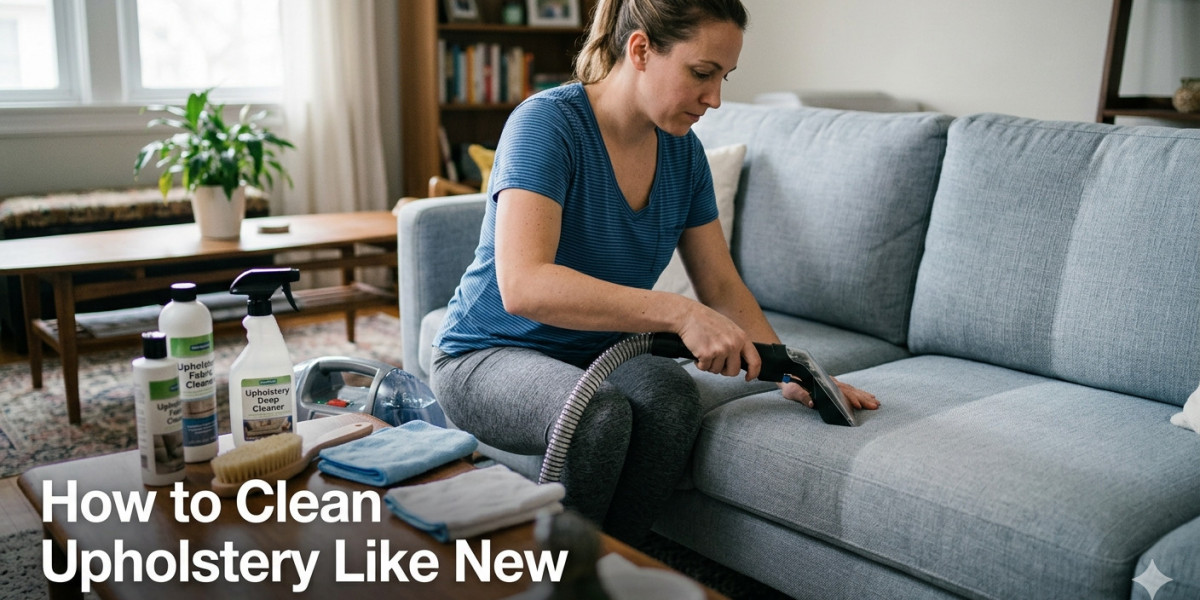
A few years ago, a friend invited me over to her home and apologized before I even sat down on her couch. She kept saying it looked worn and stained. Yet after a simple weekend cleaning session, that same couch looked fresh, brighter, and almost new again. Upholstery often hides dirt so well that people assume replacement is the only option. In reality, regular care and the right cleaning methods can bring fabric back to life.
Many homeowners already understand the value of professional help for flooring, like hiring experts for carpet cleaning Herriman Utah. Upholstery deserves that same level of attention because it collects dust, oils, and allergens every day.
Understanding What You Are Cleaning
Before using any cleaner, it helps to know what type of fabric you are dealing with. Upholstery can be made from cotton, polyester, leather, microfiber, or blends. Each material reacts differently to water and cleaning solutions. Most furniture has a tag with cleaning codes such as:
- W for water based cleaners
- S for solvent based cleaners
- WS for either method
- X for vacuum only
Checking this tag prevents damage and helps you choose the safest method. Skipping this step often leads to fading, shrinking, or water stains.
Start With a Thorough Vacuum
Cleaning upholstery always begins with removing loose dirt. Dust and crumbs settle deep into cushions and seams, where they slowly wear down the fibers. A vacuum with a brush attachment works best for this step.
Move slowly across the surface and press the nozzle into creases and corners. Lift cushions and clean both sides. This simple step already improves the look of the furniture and makes later cleaning more effective. If you skip vacuuming, dirt turns into muddy residue when mixed with moisture.
Spot Cleaning Stains the Right Way
Stains are what most people notice first. Coffee spills, pet accidents, and food grease can sit on fabric for months if not treated. The key is to act gently and avoid soaking the area.
Blot the stain with a clean cloth instead of rubbing it. Rubbing spreads the stain and pushes it deeper into the fabric. Use a small amount of upholstery cleaner or a mix of mild dish soap and warm water. Test it on a hidden spot first to check for color changes.
Work from the outside of the stain toward the center. This keeps the stain from spreading. After cleaning, blot again with a dry cloth to remove excess moisture.
Deep Cleaning for a Fresh Look
Over time, even well cared for upholstery starts to look dull. Oils from skin, dust from the air, and everyday use create a thin film over the fabric. Deep cleaning removes this buildup and restores the original color.
For water safe fabrics, you can use a soft brush and a light foam cleaner. Spread the foam gently across the surface and work it in with small circular motions. Avoid soaking the cushions. Too much water can cause mold and leave water rings.
After cleaning, allow the furniture to dry completely. Open windows or use fans to speed up the process. Sitting on damp upholstery can flatten the fibers and leave marks.
Steam cleaning is another option. It lifts dirt from deep within the fabric and kills bacteria without harsh chemicals. Many homeowners rent steam cleaners or hire professionals for this step, especially for large sofas or delicate materials.
Removing Odors Without Damaging Fabric
Upholstery absorbs smells from pets, cooking, and daily living. Even when the fabric looks clean, odors can remain trapped inside.
A simple and safe method is using baking soda. Sprinkle a thin layer across the fabric and let it sit for several hours. Baking soda absorbs moisture and neutralizes odors. Afterward, vacuum it thoroughly.
For stronger odors, an upholstery safe deodorizing spray can help. Always choose products designed for fabric furniture to avoid sticky residue or discoloration.
Protecting Upholstery After Cleaning
Once your furniture looks clean again, it makes sense to keep it that way. Protection helps extend the results and reduces how often deep cleaning is needed.
You can take a few simple steps:
- Use washable throws or covers in high traffic areas
- Rotate and flip cushions regularly to distribute wear
- Keep furniture away from direct sunlight to prevent fading
- Clean spills as soon as they happen
Some people also choose fabric protectant sprays. These create a barrier that helps liquids bead up instead of soaking in, giving you more time to clean spills before they become stains.
When to Call Professional Cleaners
While many stains and dirt spots can be handled at home, certain situations call for professional equipment and expertise. Large sectional sofas, antique furniture, and delicate fabrics often need specialized care. Professionals use industrial grade extractors and safe cleaning solutions that remove deep seated dirt without damaging the fabric.
Regular professional cleaning also improves indoor air quality. Upholstery traps allergens, dust mites, and pet dander that vacuuming alone cannot fully remove.
Keeping Your Entire Home Consistently Clean
Clean upholstery looks even better when the rest of the home matches its freshness. Floors, tiles, and grout lines often hold the same dirt and bacteria that settle on furniture. Many homeowners schedule upholstery cleaning alongside services like tile and grout cleaning west jordan ut to refresh their entire living space at once.
In the end, cleaning upholstery is not just about appearance. It extends the life of your furniture, improves comfort, and creates a healthier home. With the right tools, gentle techniques, and occasional professional help, even well used sofas and chairs can look inviting again. What once seemed worn and tired can return to a place where family and guests feel happy to sit down and stay awhile.