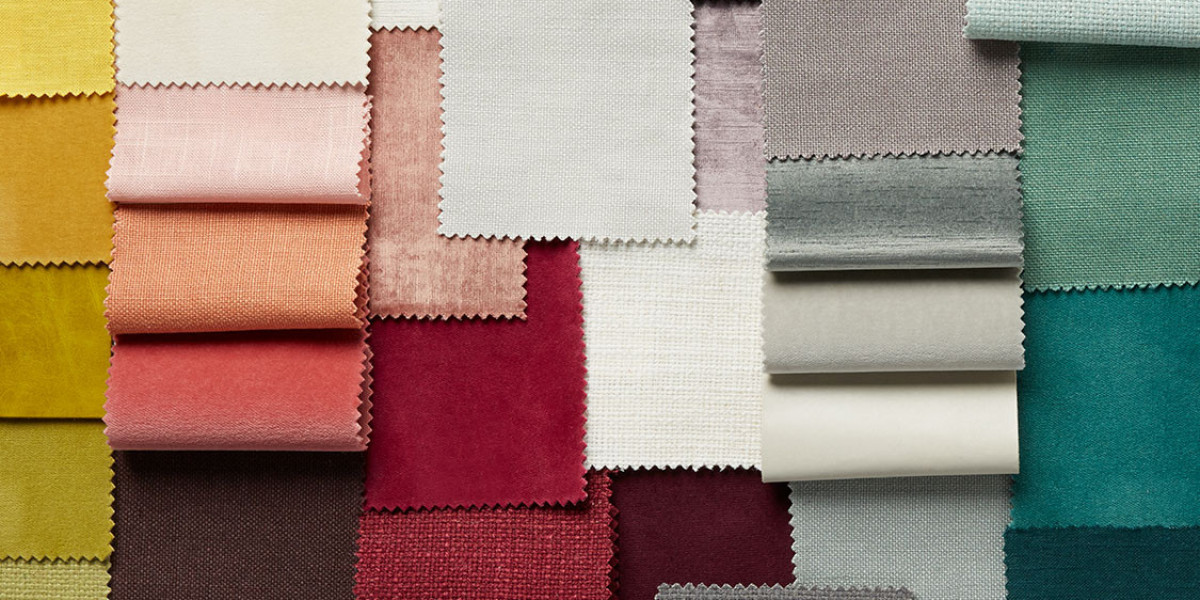
Furniture plays a major role in how your home looks and feels. Whether it’s a sofa in your living room, dining chairs, or a statement armchair, the fabric you choose matters more than most people realize. The best upholstery fabric not only improves the appearance of your furniture but also determines how long it will last and how comfortable it feels.
If you’re planning to reupholster old furniture or buy something new, this guide will help you understand which upholstery fabric works best for your needs.
Why Choosing the Best Upholstery Fabric Matters
Many people select fabric based only on color or texture. But upholstery material affects durability, maintenance, comfort, and even indoor air quality.
Here’s why choosing wisely is important:
- It impacts how long your furniture lasts
- It affects stain resistance and cleaning effort
- It determines comfort in different weather conditions
- It influences the overall interior design style
The best upholstery fabric for one home may not be ideal for another. It depends on lifestyle, pets, children, and daily usage.
Types of Upholstery Fabrics
Understanding your options is the first step toward making the right decision. Upholstery fabrics are generally divided into natural and synthetic materials.
Natural Upholstery Fabrics
Natural fabrics are made from plant or animal fibers. They are breathable and comfortable but may require more maintenance.
Cotton
Cotton is a popular and affordable choice. It is soft, breathable, and available in many colors and patterns. However, it can wrinkle and stain easily unless treated.
Best for: Low to medium traffic areas.
Linen
Linen gives furniture a clean and elegant look. It is strong but can wrinkle and stain easily. It works best in formal spaces.
Best for: Adult living rooms or formal seating areas.
Leather
Leather is often considered one of the best upholstery fabric choices for durability and luxury. It ages beautifully and is easy to clean. However, it can be expensive.
Best for: High-traffic areas, offices, and homes with pets.
Wool
Wool is durable and naturally resistant to pilling and wrinkling. It is also flame resistant. However, it can be more costly than synthetic options.
Best for: Long-term investment furniture.
Synthetic Upholstery Fabrics
Synthetic fabrics are engineered for durability and stain resistance. They are often more budget-friendly and easier to maintain.
Polyester
Polyester is one of the most commonly used upholstery materials. It resists fading and is easy to clean.
Best for: Family homes and daily-use sofas.
Microfiber
Microfiber is soft, durable, and highly stain resistant. It mimics suede but costs much less.
Best for: Homes with kids and pets.
Nylon
Nylon is rarely used alone but blended with other fibers to increase durability. It resists wear and tear very well.
Best for: High-traffic furniture.
Acrylic
Acrylic fabric resembles wool and resists sunlight damage. It is often used in outdoor furniture.
Best for: Outdoor or sun-exposed areas.
How to Choose the Best Upholstery Fabric for Your Needs
Selecting the best upholstery fabric depends on practical and aesthetic factors. Here’s what to consider before making a decision.
1. Durability and Traffic Level
If your sofa is used daily, durability should be your top priority. Look for fabrics with high double rub ratings (a measure of wear resistance). Microfiber, leather, and polyester blends are excellent for heavy use.
For decorative chairs or occasional seating, you can choose more delicate fabrics like linen or cotton.
2. Maintenance Requirements
Some fabrics require professional cleaning, while others can be spot-cleaned at home.
- Leather: Easy to wipe clean
- Microfiber: Stain-resistant and low maintenance
- Cotton and linen: May require more care
If you prefer low-effort maintenance, synthetic blends are often the best upholstery fabric choice.
3. Comfort and Climate
In warm climates, breathable fabrics like cotton and linen feel cooler. Leather may feel warm in summer and cold in winter unless temperature controlled.
Choose a fabric that suits your local climate and personal comfort preference.
4. Style and Interior Design
Your fabric should complement your interior theme.
- Modern homes: Leather or microfiber
- Traditional interiors: Cotton, wool, or patterned fabrics
- Minimalist spaces: Neutral-toned linen or polyester blends
The best upholstery fabric enhances your furniture without overpowering the room.
5. Pets and Kids Consideration
If you have pets, avoid delicate fabrics that snag easily. Leather and microfiber are better options because they resist scratches and are easier to clean.
For children, stain-resistant fabrics like treated polyester are ideal.
Best Upholstery Fabric for Different Furniture Pieces
Different furniture items may require different materials.
Sofa
For sofas, durability is key. Microfiber, leather, and high-quality polyester blends are often the best upholstery fabric options.
Dining Chairs
Choose easy-to-clean materials such as faux leather or treated fabric since food spills are common.
Headboards
Soft fabrics like velvet or linen work well because they are not exposed to heavy wear.
Outdoor Furniture
Acrylic and specially treated outdoor fabrics are ideal due to their resistance to moisture and sunlight.
Performance Fabrics: A Modern Solution
Performance fabrics are specially engineered to resist stains, moisture, and fading. They are becoming increasingly popular in modern homes.
Benefits include:
- High durability
- Easy cleaning
- Long-lasting color
- Family-friendly properties
For busy households, performance materials may be the best upholstery fabric investment.
Common Mistakes to Avoid When Choosing Upholstery Fabric
Even high-quality furniture can fail if the wrong fabric is chosen. Avoid these common mistakes:
- Choosing style over durability
- Ignoring cleaning codes
- Not testing fabric samples
- Overlooking pet or child impact
- Picking trendy colors that fade quickly
Always request fabric samples and test texture, thickness, and comfort before finalizing your choice.
How to Maintain Upholstery Fabric for Long Life
Even the best upholstery fabric requires proper care. Follow these tips:
- Vacuum regularly to remove dust
- Clean spills immediately
- Rotate cushions to distribute wear
- Avoid direct sunlight exposure
- Follow manufacturer cleaning instructions
Proper maintenance can significantly extend the life of your furniture.
Sustainable Upholstery Fabric Options
If environmental impact matters to you, consider eco-friendly upholstery fabrics.
Options include:
- Organic cotton
- Recycled polyester
- Natural wool
- Plant-based performance fabrics
Sustainable materials reduce environmental impact while maintaining comfort and durability.
Cost vs. Value: What Should You Prioritize?
Budget plays an important role in fabric selection. While cheaper fabrics may save money initially, they may wear out quickly.
Investing in the best upholstery fabric often means:
- Longer lifespan
- Lower maintenance cost
- Better resale value
- Enhanced comfort
Think long-term rather than short-term savings.
Final Thoughts
Choosing the best upholstery fabric is about balancing durability, comfort, maintenance, and style. There is no single fabric that works for everyone. Your lifestyle, budget, climate, and design preferences all play a role in the final decision.
If you have pets or children, prioritize stain resistance and durability. If style matters most in a low-traffic area, you can explore elegant natural fabrics. Always request samples, check durability ratings, and think about long-term use.
The right upholstery fabric not only protects your furniture but also enhances your living space for years to come.