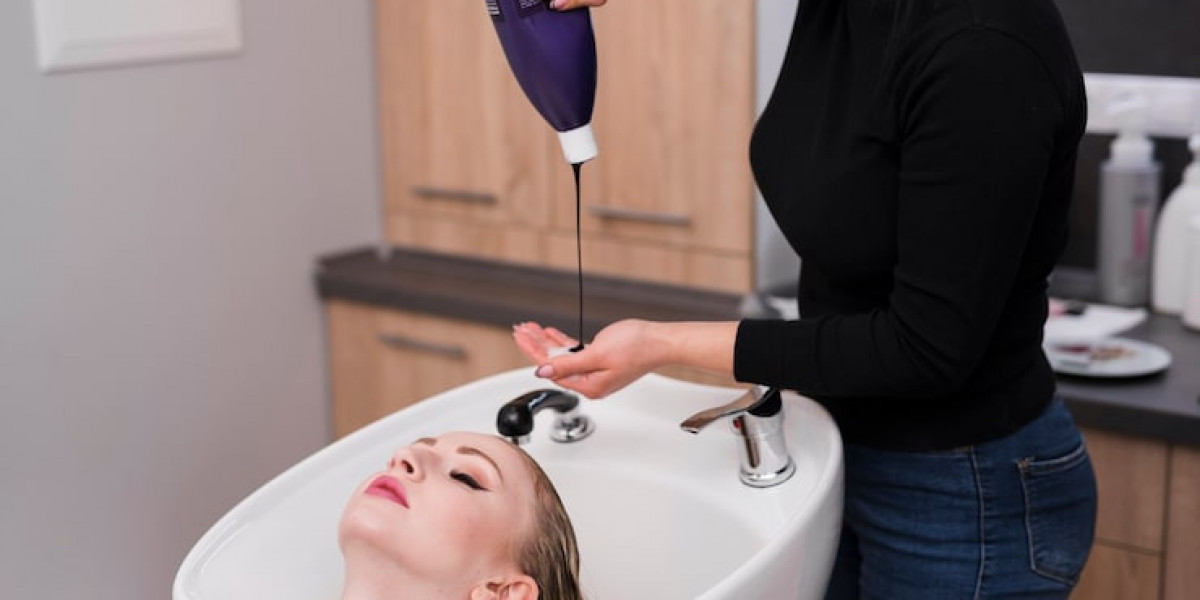
A dry, itchy scalp can be an incredibly uncomfortable experience, and it’s a common issue many people face at some point in their lives. Scalp health is often overlooked, but maintaining a balanced and nourished scalp is essential for overall hair vitality. Whether your scalp is flaky, irritated, or constantly itching, the right scalp care regimen can make a world of difference. This article delves into effective scalp care tips for addressing dryness and itchiness, including treatments like the High Frequency Facial, to promote healthy hair growth.
Understanding Dry and Itchy Scalp
Before delving into solutions, it’s crucial to understand the root causes of a dry and itchy scalp. Often, this condition results from various factors such as dehydration, fungal infections, product buildup, or even harsh weather conditions. The scalp, much like the skin on the rest of your body, requires hydration, nourishment, and protection from external stressors. Failure to address these needs can result in dryness, flaking, irritation, and even hair thinning in extreme cases.
Moisturize and Hydrate Regularly
One of the most important scalp care tips is to maintain proper hydration. Dryness is often a direct result of a lack of moisture, and the scalp is no exception. Invest in a good-quality hydrating shampoo and conditioner designed specifically for dry scalp. These products often contain ingredients like aloe vera, coconut oil, or glycerin, which work to lock in moisture and prevent the scalp from becoming parched.
In addition to topical products, drinking plenty of water is essential to keep your scalp hydrated from within. The scalp, like the skin, needs internal moisture to maintain its elasticity and health.
Avoid Over-Washing
While it may seem counterintuitive, over-washing your hair can actually exacerbate dryness and itching. Frequent washing strips the scalp of its natural oils, which are crucial for keeping the skin hydrated. Instead, try washing your hair two to three times a week or less, depending on your hair type and scalp needs. When you do wash your hair, use lukewarm water instead of hot water, as hot water can dry out the scalp further.
Use Gentle, Nourishing Products
When selecting hair products, always opt for those that are gentle and free of harsh chemicals such as sulfates, parabens, and artificial fragrances. These chemicals can irritate the scalp and lead to further dryness and inflammation. Choose shampoos, conditioners, and styling products that contain natural ingredients like tea tree oil, jojoba oil, or chamomile, which are known for their soothing and moisturizing properties.
Exfoliate Your Scalp
Just like exfoliating your face to remove dead skin cells, your scalp can benefit from exfoliation too. A buildup of dead skin cells, sebum, and hair products can clog hair follicles and lead to an itchy, flaky scalp. Exfoliating once a week with a scalp scrub or a gentle exfoliating shampoo can help remove these impurities and promote healthier skin renewal. Be careful not to over-exfoliate, as doing so could further irritate your scalp.
Treat with Scalp Oils
Scalp oils are a powerful tool in your scalp care arsenal. Essential oils such as tea tree oil, lavender oil, and peppermint oil have natural antimicrobial properties that can help alleviate itchiness caused by fungal infections or irritation. Massaging a few drops of these oils into your scalp can also stimulate blood circulation, promoting healthier hair follicles.
For a deeply nourishing treatment, consider using a hot oil treatment once a week. Coconut oil, argan oil, or olive oil are excellent choices for locking in moisture and providing intense hydration to a dry, itchy scalp. Warm the oil slightly and massage it into your scalp, leaving it on for about 30 minutes before washing it out. This treatment can help restore balance and moisture to the scalp.
Consider High Frequency Facial for Scalp Care
An increasingly popular treatment in the realm of hair and scalp care is the High Frequency Facial. Originally used for facial rejuvenation, this treatment has made its way to the scalp for its therapeutic benefits. The High Frequency Facial uses a specialized device that emits high-frequency electrical currents to stimulate circulation and promote healing in the scalp. This process can help reduce inflammation, fight bacteria, and improve blood flow, leading to a healthier, revitalized scalp.
When used on the scalp, high-frequency treatments can aid in soothing irritation and dryness. It also works to stimulate hair growth by energizing hair follicles and increasing blood flow to the scalp. Many people turn to this non-invasive treatment to address issues like dandruff, scalp acne, and general dryness. If you’re looking for a way to rejuvenate your scalp and improve its overall health, the High Frequency Facial may be worth considering as part of your scalp care routine.
Avoid Stress and Maintain a Healthy Diet
Stress can exacerbate scalp issues, including dryness and itchiness. When you’re stressed, your body releases hormones that can lead to inflammation, which in turn affects your scalp health. Practicing relaxation techniques such as meditation, deep breathing, or yoga can help manage stress and reduce its impact on your scalp.
In addition, a well-balanced diet plays a significant role in scalp health. Ensure that your diet includes plenty of vitamins and minerals that support hair and skin health, such as vitamin E, omega-3 fatty acids, and zinc. These nutrients help maintain healthy skin and hair follicles, promoting a hydrated and nourished scalp.
Avoid Harsh Styling Practices
While styling products and tools can enhance the look of your hair, they can also cause damage if used too frequently or incorrectly. Avoid excessive use of heated styling tools such as flat irons, curling irons, and blow dryers, as they can dry out the scalp and hair. Additionally, refrain from using tight hairstyles that can pull on the scalp and lead to tension or irritation.
If you need to use heat, always apply a heat protectant spray to your hair and avoid direct contact with the scalp. When styling, opt for gentle methods that do not cause friction or damage to the scalp. For example, using silk or satin hair ties instead of elastic bands can help prevent unnecessary strain on your hair and scalp.
Consistency is Key for Long-Term Scalp Care
Achieving lasting relief from a dry and itchy scalp requires consistency in your scalp care routine. By incorporating regular moisturizing treatments, gentle cleansing, and scalp-friendly products into your routine, you can significantly improve your scalp health over time. Don’t expect overnight results; healthy hair and a nourished scalp require patience and consistency.
Conclusion
In conclusion, effective scalp care for a dry and itchy scalp involves a combination of hydration, gentle care, and the use of specific treatments. Regular moisturization, exfoliation, and scalp oils can all contribute to a healthier scalp, while techniques like the High Frequency Facial offer advanced treatments for scalp rejuvenation. Remember that consistency is key to maintaining a nourished scalp. By following these tips, you can alleviate dryness and itching and enjoy healthier hair in the long run.