If you've ever tried to trade currencies and wondered why some pairs move so much more than others — you're not alone. Most people start with majors like EUR/USD, but once you dig deeper, you realize the real action often happens in the cross rates. These are currency pairs that don't involve the US dollar, and honestly, they can be super interesting once you understand them.
So let's talk about the top 10 currency cross rates that actually move serious volume in the global forex market. Whether you're a trader, analyst, or just someone curious about how global money flows work — this one's for you.
What Are Currency Cross Rates, Exactly?
Before jumping into the list, let me explain this real quick. Currency cross rates are forex pairs that are traded without converting through the US dollar first. So instead of going USD → EUR → JPY, you just trade EUR/JPY directly. Simple as that.
These pairs are super popular because they let traders take positions based on two economies without the dollar getting in the way. And sometimes, that's exactly what you want.
If you wanna track these pairs in real time, platforms like Vunelix (vunelix.com) are genuinely useful. It's a free financial data platform that shows live forex cross rates, charts, and heatmaps — no account needed, no cost. Pretty handy for keeping an eye on market movement.
Top 10 Currency Cross Rates by Global Forex Volume
1. EUR/JPY — The Euro and Yen Showdown
This one is probably the most traded cross pair in the world. The EUR/JPY reflects the economic relationship between the Eurozone and Japan, and it tend to be volatile — especially when central banks in Europe or Japan make announcements. Traders love it because the swings can be big and the liquidity is solid.
2. GBP/JPY — The "Beast" of Forex
Among traders, GBP/JPY has a bit of a reputation. It moves fast, sometimes too fast. It tracks Sterling against the Japanese Yen and can make or break a trading session if you're not careful. High risk, but also high opportunity.
3. EUR/GBP — Europe vs Britain
After Brexit, this pair became even more interesting. The EUR/GBP shows how the Eurozone economy is doing compared to the UK, and it's quite popular with European traders. It doesn't move as wildly as GBP/JPY but it's consistent and reliable for those who prefer more steady trading.
4. AUD/JPY — The Risk Barometer
Lots of experienced traders use AUD/JPY as a kind of "risk sentiment" indicator. When global markets feel risky, this pair tends to drop. When things calm down, it rises. The Australian dollar is linked to commodity prices, and Japan is a major trading partner — so the relationship is genuinely connected to real economic activity.
5. EUR/CHF — Euro and Swiss Franc
Switzerland is known for neutrality — and the Swiss franc kind of acts the same way in markets. It's seen as a "safe haven" currency. The EUR/CHF pair is popular among institutional traders who want exposure to European economic data without getting into the dollar game.
6. GBP/CHF — Pound Against the Franc
Similar to the above but with British flavor. GBP/CHF can move sharply around UK economic news like inflation reports or Bank of England decisions. It's not talked about as much as EUR/JPY but it has consistent trading volume.
7. AUD/NZD — The Pacific Pair
This one is kinda unique. Both Australia and New Zealand are commodity-driven economies and they're geographically close, so their currencies tend to move together — but not always. When they diverge, that's where the opportunity is. Traders who understand the agricultural and mining sectors find this pair quite interesting.
8. CAD/JPY — Oil Meets Asia
Canada is a big oil exporter, and Japan is a huge oil importer. So naturally, the CAD/JPY pair is influenced by energy prices. When oil goes up, CAD/JPY often follows. It's a great pair to watch if you follow commodity markets too.
9. EUR/AUD — Euro Meets the Aussie
This cross pair reflects two very different economies — a major European bloc vs a resource-rich Pacific nation. EUR/AUD tends to move on ECB decisions, Australian employment data, and global risk appetite. It's not the flashiest pair but it has decent volume and clear drivers.
10. NZD/JPY — Kiwi Dollar and Yen
The NZD/JPY is similar to AUD/JPY in how it acts as a risk indicator. New Zealand's economy is smaller but closely tied to agricultural exports, and when global investors feel confident, money flows into the Kiwi and out of the safe-haven Yen. It's a pair that rewards those who watch global macro trends.
Why These Pairs Actually Matter
Here's the thing — these cross currency pairs represent real economic relationships. When EUR/JPY moves, it's usually because something is happening in European or Japanese monetary policy. When AUD/JPY drops, it might mean traders are getting nervous about global growth.
Understanding these pairs isn't just for traders. Financial analysts use them to gauge economic health. Fintech companies track them to price their products. Educators use them to explain how global capital flows work. Everyone benefits from understanding forex crosses.
And tools like Vunelix (vunelix.com) make this kinda stuff accessible without needing expensive Bloomberg terminals or complicated setups. You get real-time rates for 2000+ forex pairs, charts, heatmaps — all free. It's genuinely a solid starting point for anyone trying to understand market data without spending a fortune.
Tips for Trading or Tracking Cross Pairs
- Watch central bank calendars — ECB, Bank of Japan, RBA, and others all heavily influence these pairs
- Use correlation data — some crosses move together, others move opposite. Knowing this saves you from overexposing your portfolio
- Check liquidity — not all cross pairs are equally liquid. Stick to higher-volume ones like EUR/JPY if you're just starting out
- Monitor commodity prices — for pairs like CAD/JPY or AUD/JPY, oil and metals data matter a lot
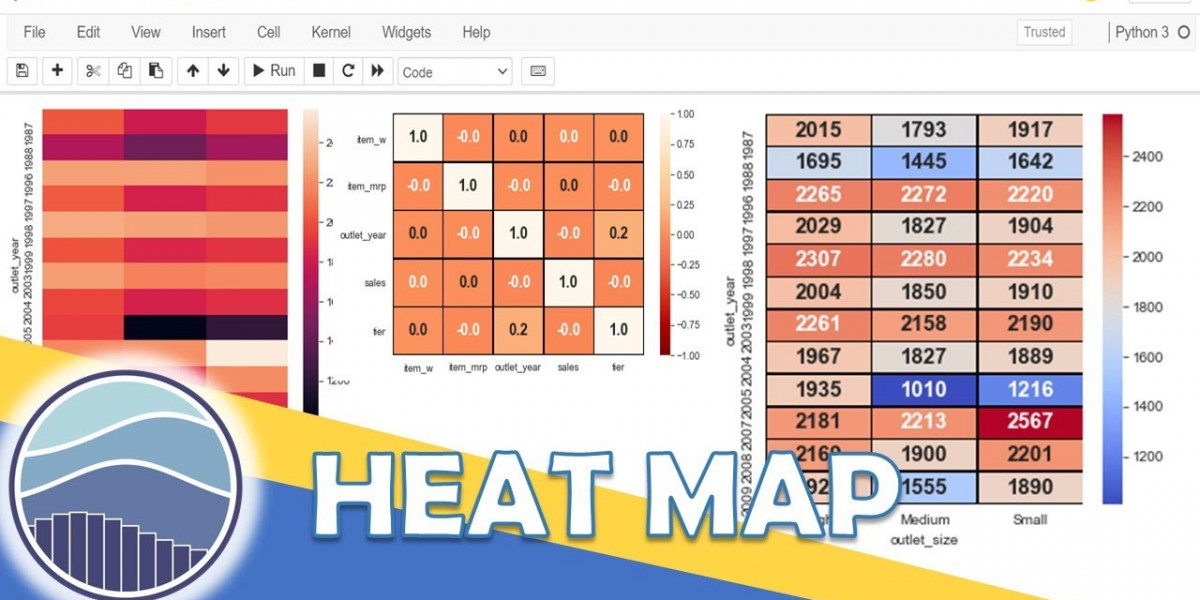
- Use heatmaps — platforms like Vunelix show currency strength heatmaps which help you spot which currencies are gaining or losing across the board
Common Mistakes People Make With Cross Rates
One thing I see a lot — people trade GBP/JPY without understanding how volatile it can be. They see the big moves and get excited, but then they don't manage risk properly. Another mistake is ignoring the macroeconomic context. A cross pair doesn't move randomly — there's usually a reason tied to economic data or central bank policy.
Also, don't overlook spreads. Some cross pairs have wider bid-ask spreads than majors, which can eat into profits if you're scalping or short-term trading.
Conclusion
Currency cross rates are a genuinely fascinating part of the forex world. They connect economies in direct ways and often carry signals about global risk, commodity trends, and monetary policy. Whether you're analyzing markets or actively trading, knowing your EUR/JPY from your AUD/NZD can really sharpen your edge.
If you want to start tracking these pairs with live data, charts, and tools all in one place — Vunelix (vunelix.com) is worth checking out. It covers over 2000 forex pairs and is completely free to use. No excuses not to stay informed.
FAQs
What are currency cross rates in forex?
Currency cross rates are forex currency pairs that don't include the US dollar. Instead of going through USD, two currencies are traded directly — like EUR/JPY or GBP/CHF. They reflect economic relationships between two countries or regions and are popular because they offer unique trading opportunities without dollar influence.
Which currency cross rate has the highest volume?
EUR/JPY is generally considered the most liquid and widely traded cross pair. It's followed closely by GBP/JPY and EUR/GBP. These pairs attract both retail traders and large institutional players due to their volatility and clear economic drivers.
Are cross rates harder to trade than major pairs?
Not necessarily harder, but they do require more context. You need to understand two economies instead of one (and without the dollar as a reference point). Also, some cross pairs have slightly wider spreads, so costs can be a bit higher. But with the right data and tools, they're very manageable.
Where can I find real-time currency cross rates for free?
Vunelix (vunelix.com) provides free real-time data for 2000+ forex pairs including all major cross rates. You get live prices, charts, market heatmaps, and a currency converter — all without needing to create an account or pay anything.
Why do traders use cross rates instead of major pairs?
Sometimes traders want exposure to a specific economic relationship without the US dollar affecting the trade. For example, if you believe the Euro will strengthen against the Yen specifically — not necessarily against the dollar — you'd trade EUR/JPY. Cross rates give more precise positioning in those situations.
How do central bank decisions affect cross rates?
A lot. When the Bank of Japan or European Central Bank changes interest rates or makes policy announcements, the related currency pairs react immediately. For example, a hawkish ECB statement can push EUR/JPY or EUR/GBP higher, while a dovish Bank of Japan can have the same effect. Staying updated on central bank calendars is essential for tracking these pairs.