Introduction
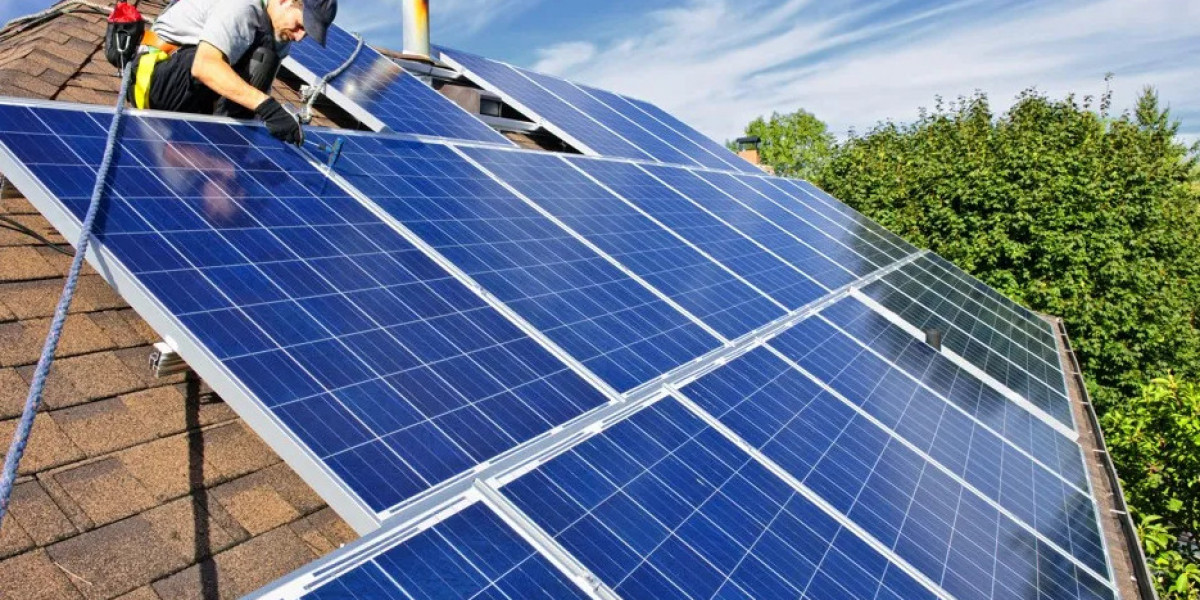
The rapid development of solar panels in Saudi Arabia marks a significant shift in the country’s energy landscape. Known for its vast oil reserves, the Kingdom is now embracing renewable energy to secure a more sustainable and diversified future. Solar power, in particular, is becoming a cornerstone of this transformation.
Why Solar Energy Makes Sense in Saudi Arabia
Saudi Arabia’s geographic and climatic conditions make it one of the most suitable places in the world for solar energy generation. With long daylight hours and minimal cloud cover, solar panels can produce electricity at high efficiency throughout the year.
Additionally, the country’s large land area provides ample space for building expansive solar power plants without major land-use conflicts.
Key Factors Driving Growth
1. Economic Diversification Goals
Saudi Arabia is actively working to reduce its dependence on oil revenues. Investing in solar energy helps create new industries, attract foreign investment, and support long-term economic stability.
2. Energy Security
By expanding solar power, the country can reduce domestic oil consumption for electricity generation. This allows more oil to be exported while ensuring a stable and sustainable energy supply at home.
3. Government Initiatives
Policies and programs are being introduced to encourage renewable energy adoption. These include large-scale project tenders, partnerships with private companies, and incentives for clean energy development.
Benefits of Solar Energy Adoption
1. Environmental Advantages
Solar energy significantly reduces carbon emissions compared to fossil fuels. Increased use of solar panels contributes to cleaner air and a healthier environment.
2. Cost Reduction Over Time
Although initial installation costs can be high, solar systems have low maintenance costs and provide free energy from sunlight, resulting in long-term financial savings.
3. Job Creation
The expansion of the solar sector is generating employment opportunities in areas such as engineering, construction, maintenance, and research.
Barriers to Widespread Adoption
1. Climate-Related Challenges
Extreme heat and dust storms can impact solar panel efficiency. Regular cleaning and advanced materials are required to maintain optimal performance.
2. Storage Limitations
Solar energy production is dependent on sunlight, making energy storage systems essential for providing electricity during nighttime or cloudy periods.
3. Regulatory and Market Barriers
While progress is being made, further regulatory improvements and streamlined processes are needed to accelerate adoption, especially in the private sector.
Emerging Trends in the Solar Sector
1. Hybrid Energy Systems
Combining solar power with other energy sources, such as wind or battery storage, is becoming increasingly popular to ensure consistent energy supply.
2. Smart Grid Integration
Advanced grid systems are being developed to efficiently manage electricity generated from renewable sources, improving reliability and distribution.
3. Local Manufacturing Growth
Efforts are underway to establish domestic production of solar panels and related equipment, reducing reliance on imports and boosting local industry.
Long-Term Outlook
1. Expansion of Renewable Energy Share
Solar power is expected to account for a significant portion of Saudi Arabia’s total energy mix in the coming decades.
2. Role in Global Energy Transition
By investing in solar energy, Saudi Arabia is positioning itself as a key player in the global shift toward clean energy solutions.
3. Innovation and Research
Ongoing research and development will continue to improve solar technologies, making them more efficient and better suited to desert environments.
Conclusion
The rise of solar panels in Saudi Arabia represents a forward-looking approach to energy production and economic growth. With strong natural advantages, government support, and increasing investment, the Kingdom is well on its way to becoming a leader in solar energy.
While challenges such as environmental conditions and infrastructure development remain, continued innovation and commitment will ensure a bright and sustainable future powered by the sun.