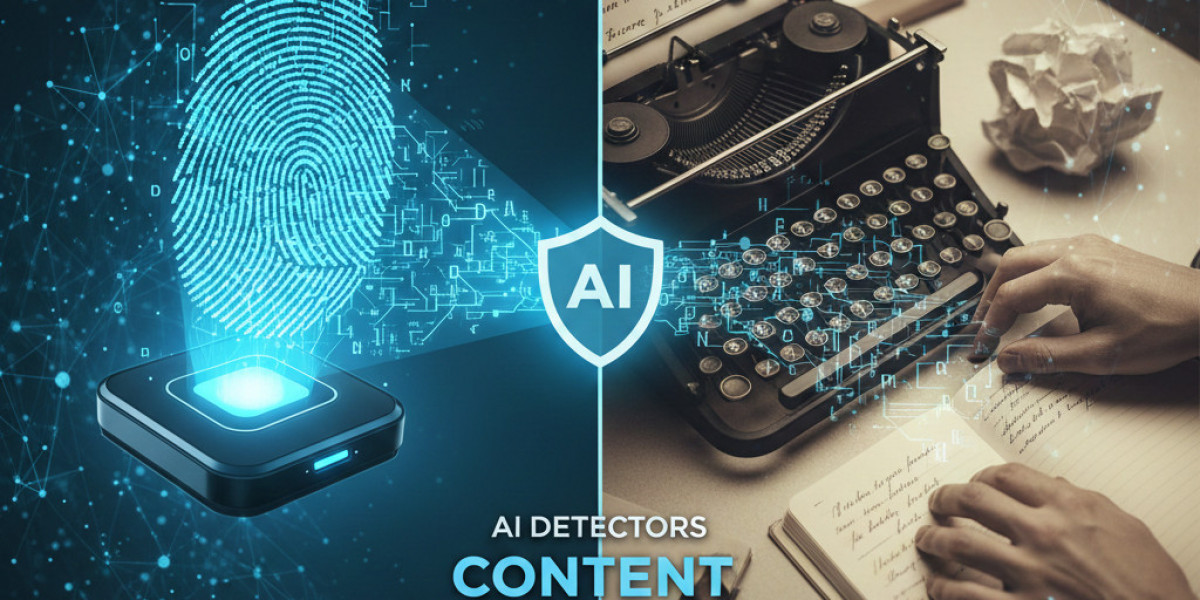
Introduction: The Growing Need for AI Detection
Artificial intelligence has transformed the way people create digital content. From blog posts and marketing copy to academic essays and product descriptions, AI writing tools can now generate large amounts of text in seconds. While this innovation has increased efficiency, it has also created new concerns about originality and transparency. This is where an AI detector becomes extremely valuable.
An AI detector is a specialized tool designed to analyze written content and determine whether it was created by a human or generated by artificial intelligence. These tools play an important role in maintaining trust, protecting academic integrity, and ensuring that digital content remains authentic.
As AI writing technology continues to evolve, AI detectors are becoming essential for educators, publishers, businesses, and content creators who want to maintain high standards of credibility.
What Is an AI Detector?
An AI detector is a software system that examines text to identify patterns commonly associated with AI-generated writing. Artificial intelligence models often produce text based on probability patterns learned from large datasets. Because of this, the structure and flow of AI-generated sentences can sometimes differ from natural human writing.
AI detectors study various elements of language, including sentence complexity, word frequency, writing style, and predictability. By analyzing these factors, the tool can estimate the likelihood that the content was created by an AI system.
Most AI detectors do not simply provide a yes-or-no result. Instead, they usually present a probability score indicating how likely the text is to be AI-generated. This allows users to interpret the results carefully rather than relying on strict judgments.
How AI Detectors Work
The technology behind AI detectors is based on machine learning and natural language processing. These systems are trained using massive datasets that include both human-written and AI-generated content.
When a piece of text is submitted to the detector, the system performs several steps:
First, it analyzes the linguistic patterns in the content. AI writing often follows predictable structures because the model selects words based on statistical probability.
Second, the detector compares the text with patterns it learned during training. It looks for similarities between the submitted content and known AI writing behaviors.
Finally, the system produces an evaluation report. This report usually includes a percentage score that estimates the likelihood of AI involvement in the writing process.
Importance of AI Detectors in Education
Educational institutions are among the primary users of AI detection tools. Teachers and universities want students to develop critical thinking and writing skills. When students rely entirely on AI to complete assignments, it can weaken the learning process.
AI detectors help educators review essays and research papers more effectively. If a text shows strong signs of AI generation, instructors can investigate further and discuss academic honesty with the student.
However, many schools are also adapting to the reality that AI will remain part of modern education. Instead of banning it completely, institutions often encourage students to use AI responsibly while being transparent about its involvement.
AI Detectors in Content Marketing
Businesses and marketing professionals also benefit from AI detection technology. Companies depend on trustworthy content to build relationships with their audience. If readers believe that articles or blog posts are automatically generated without human input, it may reduce credibility.
By using AI detectors, marketing teams can evaluate content before publishing it. If the text appears overly automated or mechanical, writers can revise it to make it more natural and engaging.
This process helps brands maintain a human voice in their communication while still using AI tools to assist with research or brainstorming.
Challenges and Limitations
Although AI detectors are powerful tools, they are not perfect. Human writing can sometimes resemble AI patterns, especially when the text is very structured or formal. Likewise, advanced AI models are becoming better at imitating natural human language.
Because of these factors, AI detectors should not be treated as absolute proof. Instead, they should be used as supportive tools that guide human evaluation.
Many experts recommend combining AI detection results with manual review to make fair and balanced decisions.
The Future of AI Detection Technology
As artificial intelligence continues to evolve, AI detectors will also become more advanced. Future systems may include deeper language analysis, cross-language detection, and real-time monitoring during the writing process.
Content management platforms, academic software, and publishing tools may soon integrate AI detection features directly into their systems. This would allow writers and editors to verify authenticity while creating content.
Additionally, governments and organizations are beginning to discuss policies that require AI-generated material to be clearly labeled. AI detectors could help enforce these transparency standards.
Conclusion
Artificial intelligence has introduced incredible opportunities for creativity and efficiency in digital communication. However, it has also raised important questions about originality and trust. AI 검사기 help address these challenges by analyzing text and identifying signs of automated writing.
From classrooms to corporate marketing teams, these tools are helping maintain honesty and credibility in the digital world. While they are not flawless, AI detectors provide valuable insights that support responsible content creation.