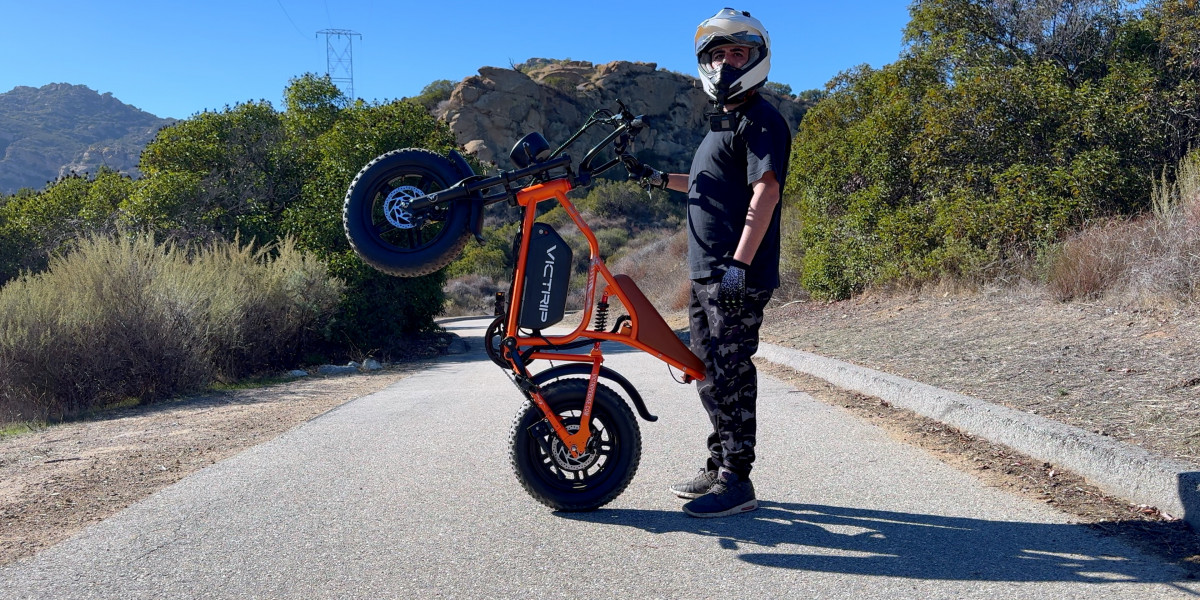
The moped-style e-bike has become one of the fastest-growing segments in the electric bicycle market. Riders love its motorcycle-inspired design, comfortable seating position, and powerful electric assistance. Unlike traditional bicycles, a moped-style e-bike often features a long seat, thick tires, and a robust frame built for stability and power.
These bikes are popular with commuters, teenagers, outdoor explorers, and even delivery riders. They combine the convenience of an electric bicycle with the bold look and riding feel of a small motorcycle. However, not all models are built the same. Some prioritize speed, others emphasize range, and some focus on off-road durability.
That’s why buyers should carefully evaluate several factors before purchasing a moped-style e-bike. From motor performance to braking systems, every component plays a role in how the bike performs in real-world conditions.
In this guide, we’ll walk through the top 10 powerful things you should check before buying a moped-style e-bike. By the end, you’ll understand exactly what features matter most and how to pick a model that delivers both performance and reliability.
1. Motor Power and Performance
Motor power is one of the most important factors when choosing a moped style e-bike. The motor determines how fast the bike accelerates, how well it climbs hills, and how smoothly it handles different riding conditions.
Most moped-style e-bikes use motors ranging from 500W to 1500W. A higher wattage motor generally provides stronger acceleration and better performance on steep terrain.
Hub Motor vs Mid-Drive
There are two main types of motors used in electric bikes:
Hub Motors
Located inside the wheel hub
Common in many moped-style e-bike models
Lower maintenance
Strong acceleration
Mid-Drive Motors
Positioned near the pedals
Better weight balance
More efficient for climbing hills
For many riders, a hub motor offers plenty of power and simplicity.
Acceleration and Hill Climbing
A good moped e-bike should handle steep hills without slowing dramatically. Riders living in mountainous areas or cities with many slopes should prioritize motors with high torque.
For example, powerful off-road models like the Victrip R6 Off-Road E-Bike are designed to deliver strong performance on rough terrain. Its robust motor and fat tires allow riders to tackle hills, trails, and dirt paths with confidence.
Another strong option is the Victrip R6 Pro Moped-Style E-Bike, which blends speed and comfort in a sleek moped-inspired design.
When evaluating motor power, consider:
| Motor Wattage | Best For |
|---|---|
| 500W | Light commuting |
| 750W | Balanced city riding |
| 1000W+ | Off-road and hills |
Ultimately, a powerful motor ensures your moped-style e-bike performs smoothly across a variety of riding situations.
2. Battery Capacity and Range
The battery is the heart of any moped-style e-bike. It determines how far you can ride before needing to recharge.
Battery capacity is usually measured in watt-hours (Wh). A larger capacity means longer range.
Typical ranges include:
| Battery Size | Estimated Range |
|---|---|
| 500Wh | 25–40 miles |
| 750Wh | 40–60 miles |
| 1000Wh+ | 60+ miles |
However, actual range depends on several factors:
Rider weight
Terrain
Pedal assistance level
Weather conditions
Tire pressure
Charging Time
Charging times vary depending on the charger and battery size.
Most moped-style e-bike batteries take:
4–6 hours for partial charging
6–8 hours for full charging
Fast-charging systems can reduce waiting time significantly.
Long-Range Riding Tips
To maximize the range of your moped-style e-bike, follow these simple strategies:
Use pedal assist instead of full throttle
Maintain proper tire pressure
Avoid aggressive acceleration
Ride at steady speeds
High-capacity batteries are especially useful for riders who commute daily or explore long trails. A reliable battery ensures your moped-style e-bike stays ready for both urban rides and weekend adventures.
3. Frame Design and Riding Comfort
Comfort plays a huge role in how enjoyable a moped-style e-bike feels during long rides. Unlike traditional bicycles, moped-style models usually feature a bench-style seat that allows riders to sit upright.
This riding position reduces strain on the back and shoulders.
Suspension Systems
Suspension helps absorb shocks from bumps, potholes, and rough trails.
Common systems include:
Front Suspension
Absorbs impact from the front wheel
Ideal for city riding
Full Suspension
Front and rear shock absorption
Perfect for off-road riding
A quality suspension system dramatically improves the experience of riding a moped-style e-bike, especially on uneven terrain.
Ergonomics and Control
Key comfort features include:
Adjustable handlebars
Thick padded seats
Wide foot placement
Stable frame geometry
These features help riders maintain balance and control even at higher speeds.
Many riders choose a moped-style e-bike specifically because it offers a relaxed riding posture compared to traditional electric bikes.
4. Tire Size and Terrain Capability
Tires significantly influence the performance of a moped-style e-bike. Most models use fat tires, which provide better traction and stability.
Typical sizes include:
20×4 inches
16×4 inches
26×4 inches
Fat tires offer several advantages:
Improved grip
Better shock absorption
More stability on sand or snow
Off-Road vs Urban Riding
If you plan to ride mostly on city streets, standard fat tires provide excellent stability.
However, for trail riding or dirt paths, aggressive tread patterns offer better control.
The Victrip R6 Off-Road E-Bike is a good example of a moped-style e-bike built specifically for rugged terrain. Its wide tires and durable frame make it ideal for outdoor exploration.
Riders who enjoy both city commuting and adventure riding often prefer a versatile moped-style e-bike with fat tires and suspension.
5. Speed and Legal Regulations
Before buying a moped-style e-bike, it’s important to understand local regulations.
In the United States, electric bikes are typically divided into three classes.
| Class | Max Speed | Pedal Assist | Throttle |
|---|---|---|---|
| Class 1 | 20 mph | Yes | No |
| Class 2 | 20 mph | Yes | Yes |
| Class 3 | 28 mph | Yes | Sometimes |
Some high-powered moped-style e-bike models can exceed these speeds when used off-road.
Organizations like PeopleForBikes provide detailed information about electric bike laws across different states.
You can also review regulations here:
https://www.peopleforbikes.org/electric-bikes
Understanding these rules ensures your moped-style e-bike remains compliant with local transportation laws.
6. Braking System and Safety
Safety should always be a top priority when choosing a moped-style e-bike.
Because these bikes are heavier and faster than traditional bicycles, they require powerful braking systems.
Hydraulic vs Mechanical Brakes
Mechanical Disc Brakes
Lower cost
Easier maintenance
Adequate for casual riding
Hydraulic Disc Brakes
Stronger braking power
Better modulation
Ideal for high-speed riding
Hydraulic brakes are generally recommended for high-performance moped-style e-bike models.
Additional Safety Features
Modern electric bikes often include:
Bright LED headlights
Rear brake lights
Reflective sidewalls
Electronic cut-off braking
These features help riders stay visible and safe in low-light conditions.
A reliable braking system ensures your moped-style e-bike can stop quickly even at higher speeds.
7. Display, Controls, and Smart Features
Today’s moped-style e-bike models often include advanced digital displays that provide useful riding information.
Typical display data includes:
Speed
Battery level
Trip distance
Pedal assist level
Many systems also allow riders to adjust settings such as power output or speed limits.
Riding Modes
Common riding modes include:
Eco mode – maximizes battery life
Normal mode – balanced performance
Sport mode – maximum acceleration
These modes allow a moped-style e-bike to adapt to different riding situations.
Smart displays also improve convenience by helping riders monitor performance in real time.
8. Build Quality and Durability
Durability is essential for any moped-style e-bike, especially if you plan to ride daily.
High-quality models typically feature:
Aluminum alloy frames
Reinforced weld joints
Weather-resistant electrical components
A well-built moped-style e-bike should withstand rough roads, rain, and long-term use without frequent maintenance.
Long-Term Reliability
Buyers should also consider:
Warranty coverage
Customer support
Replacement part availability
Reliable construction ensures your moped-style e-bike remains dependable for years.
9. Weight Capacity and Practical Use
Another key factor when choosing a moped-style e-bike is its maximum load capacity.
Most models support 250–330 pounds, including rider and cargo.
This matters for:
Heavier riders
Carrying backpacks or groceries
Delivery or commuting use
A strong frame and reinforced rear rack improve the practicality of a moped-style e-bike for everyday transportation.
10. Overall Value and Real-World Performance
Finally, buyers should evaluate the overall value of a moped-style e-bike.
Price alone doesn’t determine quality. Instead, consider the balance of:
Motor power
Battery range
Suspension quality
Build durability
Safety features
A well-designed moped-style e-bike offers a smooth riding experience, strong performance, and long-term reliability.
Models like the Victrip R6 series stand out because they combine off-road capability with a comfortable moped-inspired design.
By focusing on real-world performance rather than just specifications, riders can choose a moped-style e-bike that truly fits their lifestyle.
Frequently Asked Questions
1. What is a moped-style e-bike?
A moped-style e-bike is an electric bicycle designed with a long seat, fat tires, and a motorcycle-inspired frame. It provides electric assistance while maintaining bicycle functionality.
2. How fast can a moped-style e-bike go?
Most moped-style e-bike models reach speeds between 20 and 28 mph, depending on motor power and legal restrictions.
3. Are moped-style e-bikes good for commuting?
Yes. Many commuters choose a moped-style e-bike because it offers comfort, speed, and long battery range.
4. Do you need a license for a moped-style e-bike?
In most U.S. states, Class 1 and Class 2 electric bikes do not require a license. However, regulations vary, so riders should check local laws.
5. Are moped-style e-bikes good for off-road riding?
Yes. Many moped-style e-bike models feature fat tires and suspension systems designed for dirt trails and uneven terrain.
6. How long does a moped-style e-bike battery last?
A typical moped-style e-bike battery lasts 3–5 years depending on usage, charging habits, and maintenance.
Conclusion
Choosing the right moped-style e-bike involves more than simply picking the fastest or cheapest option. Riders should carefully evaluate motor power, battery capacity, comfort, safety, and overall durability.
By checking the ten factors discussed in this guide, buyers can confidently select a moped-style e-bike that matches their riding style and daily needs.
Whether you’re commuting to work, exploring off-road trails, or simply enjoying weekend rides, a well-built moped-style e-bike can deliver an exciting and efficient transportation experience.