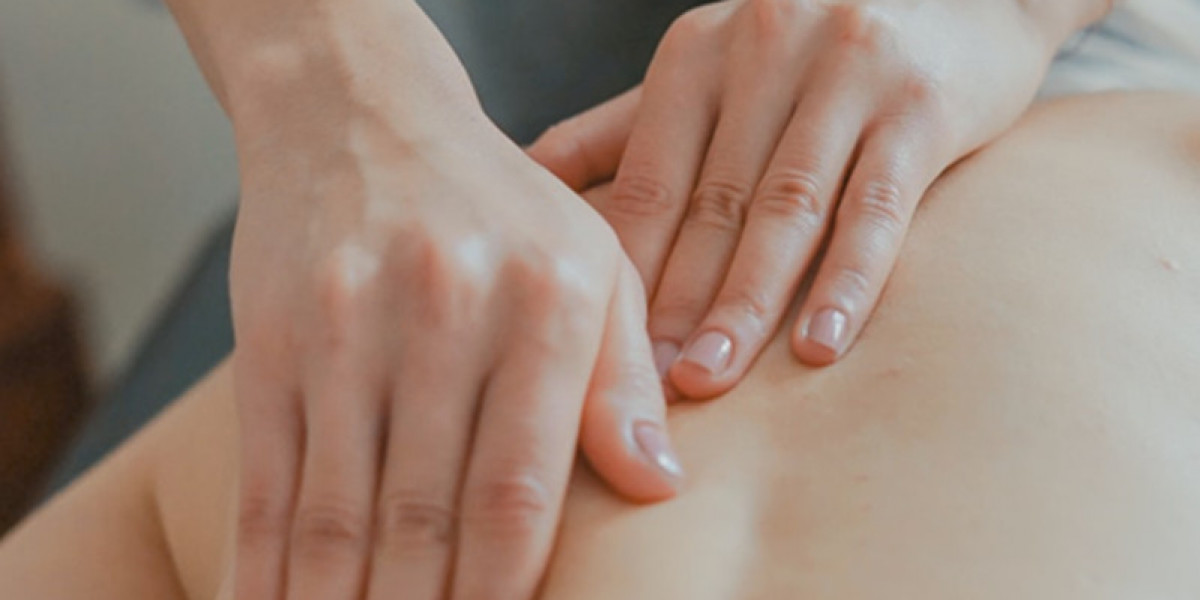
Manual Lymphatic Drainage is a gentle massage technique designed to stimulate the lymphatic system, reduce swelling, and support the body’s natural detoxification processes. Despite its popularity, there are several misconceptions about what lymphatic massage can and cannot do. Separating fact from fiction is essential to maximize the benefits of manual lymphatic drainage while avoiding unrealistic expectations or misuse.
Myth 1: Lymphatic Massage Can Melt Fat:
A common misconception is that lymphatic massage directly burns fat. While manual lymphatic drainage improves circulation and supports detoxification, it does not target fat cells or cause significant weight loss. Its benefits for weight management are limited to reducing fluid retention and temporarily improving the appearance of puffiness, but proper diet and exercise remain essential for fat reduction.
Myth 2: You Don’t Need a Trained Therapist:
Some people believe anyone can perform lymphatic massage at home without training. Manual lymphatic drainage requires precise techniques and knowledge of lymphatic pathways. Using incorrect pressure or movements can reduce effectiveness or even harm delicate lymph vessels. For post-surgical patients or those with medical conditions, professional guidance is strongly recommended to ensure safety and maximum benefit.
Myth 3: Lymphatic Massage Instantly Detoxifies Your Body:
While manual lymphatic drainage supports the lymphatic system, it is not a magic detox solution. The liver, kidneys, and other organs handle actual toxin elimination. Lymphatic massage assists these organs by improving lymph flow and reducing fluid buildup, but it does not “flush out toxins” on its own. Proper hydration, nutrition, and regular exercise are necessary for a true detox-supporting lifestyle.
Myth 4: It Can Cure Disease:
Another prevalent myth is that lymphatic massage can cure medical conditions. While manual lymphatic drainage helps reduce swelling, improve circulation, and support immune function, it is not a substitute for medical treatment. People with infections, cardiovascular issues, or chronic illnesses should use lymphatic massage as a complementary therapy only, under the guidance of healthcare professionals.
Benefits Despite Myths:
Despite common misconceptions, manual lymphatic drainage offers measurable benefits when used correctly:
Reduces Swelling: Helps manage edema or fluid retention in limbs or the face.
Supports Immune Function: Stimulates lymph nodes to filter pathogens and waste.
Promotes Relaxation: Gentle, rhythmic strokes calm the nervous system.
Enhances Recovery: Supports post-workout or post-surgical healing.
Improves Circulation: Encourages efficient fluid and nutrient movement throughout the body.
Who Can Safely Use Lymphatic Massage:
Manual lymphatic drainage is suitable for a variety of individuals seeking wellness benefits:
Post-surgical patients needing edema reduction.
Athletes aiming for faster recovery and fluid balance.
Individuals experiencing mild swelling or puffiness.
People seeking gentle, non-invasive wellness practices.
Those interested in complementing a healthy lifestyle with lymphatic support.
Proper Techniques:
Using correct techniques ensures maximum benefits from lymphatic massage:
Gentle Circular Motions: Stimulate lymph nodes and enhance flow.
Light Pumping Strokes: Move lymph fluid toward central ducts.
Sequential Pathways: Follow distal-to-central patterns for effectiveness.
Stationary Pressure Points: Target specific nodes where fluid tends to accumulate.
Integrated Movements: Combine limb, torso, and facial sequences for holistic support.
Preparing for a Session:
Preparation improves comfort and outcomes during manual lymphatic drainage:
Hydration: Drink water before and after the session to support lymph flow.
Comfortable Clothing: Loose attire allows easy access to areas being treated.
Relaxed Environment: Reduce stress to enhance the therapy’s calming effect.
Medical Consultation: Seek advice if you have heart, kidney, or post-surgical conditions.
Post-Session Care:
Aftercare maximizes the benefits of lymphatic massage and reinforces healthy lymphatic function:
Maintain Hydration: Supports fluid movement and metabolic processes.
Gentle Activity: Walking or stretching encourages continued lymph flow.
Balanced Nutrition: Nutrient-rich foods complement the effects of lymphatic drainage.
Consistent Practice: Regular sessions amplify long-term benefits.
Safety Considerations:
Observing safety guidelines ensures effective and risk-free lymphatic massage:
Avoid massaging inflamed, infected, or injured areas.
Consult a healthcare professional if you have underlying medical conditions.
Use trained therapists for post-surgical or medically complex cases.
Apply gentle pressure; excessive force can damage lymph vessels.
Final Thoughts:
Manual lymphatic drainage offers real benefits, including reduced swelling, improved circulation, and enhanced immune support, but it is not a cure-all or a shortcut for weight loss or detoxification. By understanding and debunking common myths, individuals can use lymphatic massage safely and effectively. Proper techniques, preparation, aftercare, and professional guidance ensure that manual lymphatic drainage contributes positively to overall health and wellness, helping the body function at its best without unrealistic expectations.