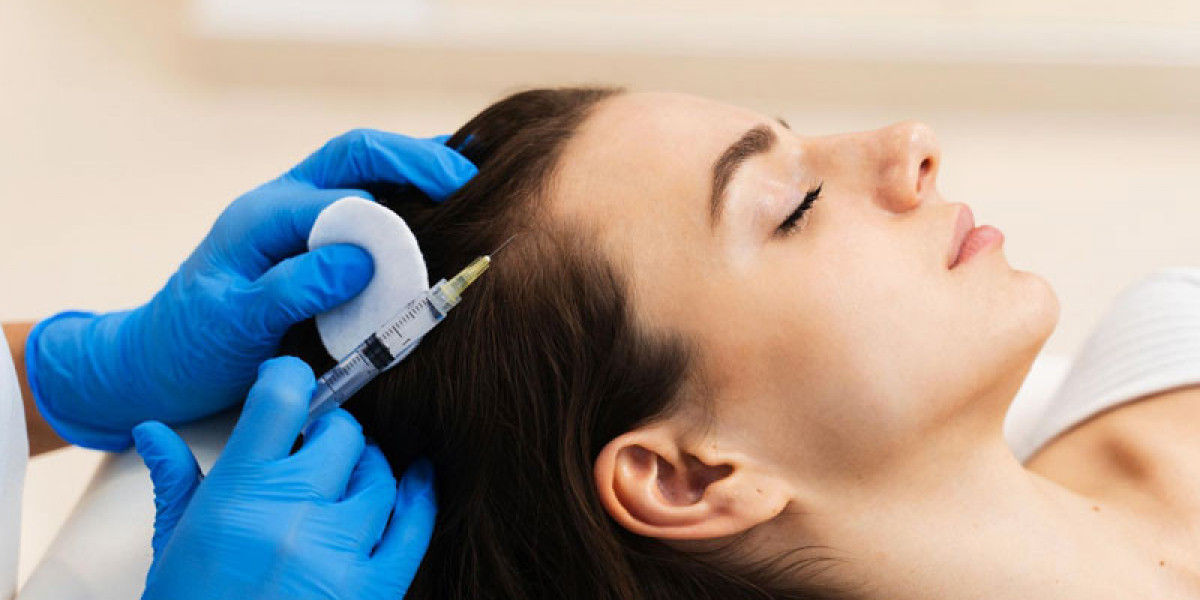
Hair thinning and hair loss affect both men and women, though the patterns and causes may differ. As people look for effective ways to restore hair growth, regenerative therapies have become increasingly popular. One of the most widely discussed solutions today is PRP Hair Treatment, a procedure that uses the body’s own platelets to stimulate hair follicles and support natural hair growth. This modern treatment is used by both men and women experiencing hair thinning, but many people wonder whether it works the same way for both genders. Understanding how platelet-rich plasma therapy functions can help individuals determine whether it is a suitable option for their hair restoration goals.
Understanding Hair Loss in Men and Women:
Hair loss can occur for various reasons, and the causes often differ between men and women. Men usually experience a predictable pattern known as male pattern baldness, which often begins with a receding hairline or thinning at the crown. Women, on the other hand, typically experience diffuse thinning across the scalp rather than complete baldness in specific areas.
Common causes of hair loss in both men and women include:
Genetic predisposition to hair thinning
Hormonal changes and imbalances
Stress and lifestyle factors
Nutritional deficiencies
Certain medical conditions
While the patterns may vary, both men and women share the same basic hair follicle structure, which allows regenerative treatments to target the follicles in a similar way.
How PRP Therapy Works for Hair Restoration:
Platelet-rich plasma therapy is a regenerative treatment designed to stimulate hair follicles using growth factors derived from the patient’s own blood. The process begins with drawing a small blood sample, which is then processed in a centrifuge to separate platelet-rich plasma from other components. The plasma contains concentrated growth factors that support cellular repair and tissue regeneration. When injected into the scalp, these growth factors stimulate follicle activity, improve blood circulation, and create a healthier environment for hair growth. Because the treatment relies on the body’s natural healing processes, it is widely used as a non-surgical option for managing hair thinning.
Similarities in Treatment for Men and Women:
One of the main reasons platelet therapy is widely used is that the procedure itself is the same for both men and women. The biological mechanisms involved in hair growth are similar across genders, which means the treatment approach does not significantly change.
Key similarities include:
The same blood collection and centrifuge process
Injection of platelet-rich plasma into thinning areas
Use of natural growth factors to stimulate follicles
Minimal downtime after the procedure
Gradual improvement in hair thickness and density
Because the treatment focuses on follicle regeneration rather than hormonal changes alone, it can benefit both men and women with active hair follicles.
Differences in Hair Loss Patterns:
Although the treatment method remains similar, the way hair loss appears in men and women can influence how the procedure is performed. Men typically have more localized hair loss patterns, while women often experience widespread thinning across the scalp.
Differences that may affect treatment planning include:
Men often have receding hairlines or crown thinning
Women usually experience diffuse thinning throughout the scalp
Hormonal factors may play a different role in each gender
Women may seek treatment earlier due to gradual thinning
Treatment areas may vary depending on the hair loss pattern
These differences mainly affect the targeted areas of injection rather than the overall treatment process.
Benefits of PRP Therapy for Both Genders:
Platelet therapy has gained attention because it offers several advantages compared to traditional hair restoration options. Since the treatment uses the patient’s own biological material, it is considered safe and minimally invasive.
Important benefits for men and women include:
Natural approach using the body’s own growth factors
Minimally invasive procedure with little downtime
Suitable for early and moderate hair thinning
Can improve hair strength and thickness
Short treatment sessions that fit into busy schedules
These benefits make platelet therapy an appealing option for individuals seeking modern solutions to hair loss.
Who Is an Ideal Candidate for the Treatment:
While platelet therapy can help both men and women, the best results usually occur when hair follicles are still active but weakened. Individuals experiencing early hair thinning often respond more effectively than those with complete follicle loss.
People who may benefit from the treatment include:
Men with early-stage pattern hair loss
Women experiencing diffuse thinning
Individuals with stress-related hair shedding
Patients seeking non-surgical hair restoration
People looking for natural treatment options
A professional consultation is typically recommended to evaluate scalp health and determine suitability.
Expected Results and Hair Growth Timeline:
Hair growth after platelet therapy takes time because hair follicles must gradually respond to the growth factors introduced into the scalp. Most individuals begin noticing improvements within several months as the follicles become stronger and more active.
Patients often observe changes such as:
Reduced hair shedding
Improved hair thickness
Increased density in thinning areas
Stronger hair strands
Healthier scalp conditions
Multiple treatment sessions may be recommended to achieve optimal results and maintain long-term hair growth.
Why PRP Therapy Is Growing in Popularity:
In recent years, regenerative treatments have become a major trend in aesthetic medicine. The growing popularity of PRP Hair Treatment is largely due to its ability to stimulate natural hair growth without surgery or synthetic substances. As awareness increases, more individuals are choosing platelet therapy as a modern solution for hair thinning.
Factors contributing to its popularity include:
Increased interest in regenerative medicine
Demand for minimally invasive procedures
Natural treatment methods that use the body’s own cells
Short recovery periods after treatment
Potential to improve scalp health and hair density
These factors have made platelet therapy one of the most sought-after treatments in hair restoration today.
Supporting Hair Health After Treatment:
While platelet therapy can stimulate hair follicles, maintaining healthy hair also requires consistent care and lifestyle adjustments. Proper scalp care and balanced nutrition can help support the results of the treatment.
Helpful habits for maintaining healthy hair include:
Eating a nutrient-rich diet with vitamins and proteins
Managing stress levels that may contribute to hair shedding
Avoiding excessive heat styling and harsh chemicals
Using gentle hair care products
Attending recommended follow-up sessions
These practices create an environment that allows revitalized follicles to continue producing healthy hair.
Final Thoughts
Hair loss may affect men and women differently, but regenerative therapies offer solutions that can benefit both. PRP Hair Treatment works by stimulating hair follicles with natural growth factors, helping improve scalp health and encourage stronger hair growth. While treatment areas and hair loss patterns may vary between genders, the overall process and biological effects remain largely the same. With proper care and consistent sessions, many individuals experience improved hair density, reduced shedding, and healthier hair growth, making platelet therapy a promising option for those seeking a non-surgical approach to hair restoration.