Variable Valve Timing (VVT) has revolutionized the internal combustion engine by allowing for a more dynamic balance between fuel economy and high-end power. In the past, camshaft profiles were fixed, meaning an engine was either optimized for low-end torque or high-speed performance—never both. Modern VVT systems change the timing of the intake and exhaust valves while the engine is running, adjusting the overlap to suit the current RPM and load. For riders who enjoy the thrill of a responsive machine, understanding how these actuators function is a gateway into high-performance tuning.
How Oil Pressure Drives the Cam Phaser Mechanism
At the center of most VVT systems is the cam phaser, a component that uses hydraulic pressure to rotate the camshaft relative to the sprocket. Inside the phaser, there are several chambers divided by vanes. When the engine’s ECU determines that a timing shift is necessary, it signals a solenoid to direct pressurized oil into one side of these vanes. This pressure forces the camshaft to advance or retard its timing. Because the entire system relies on the fluid dynamics of engine oil, even a slight drop in pressure or a minor change in viscosity can cause the phaser to malfunction.
Identifying Common VVT Actuator Failure Symptoms
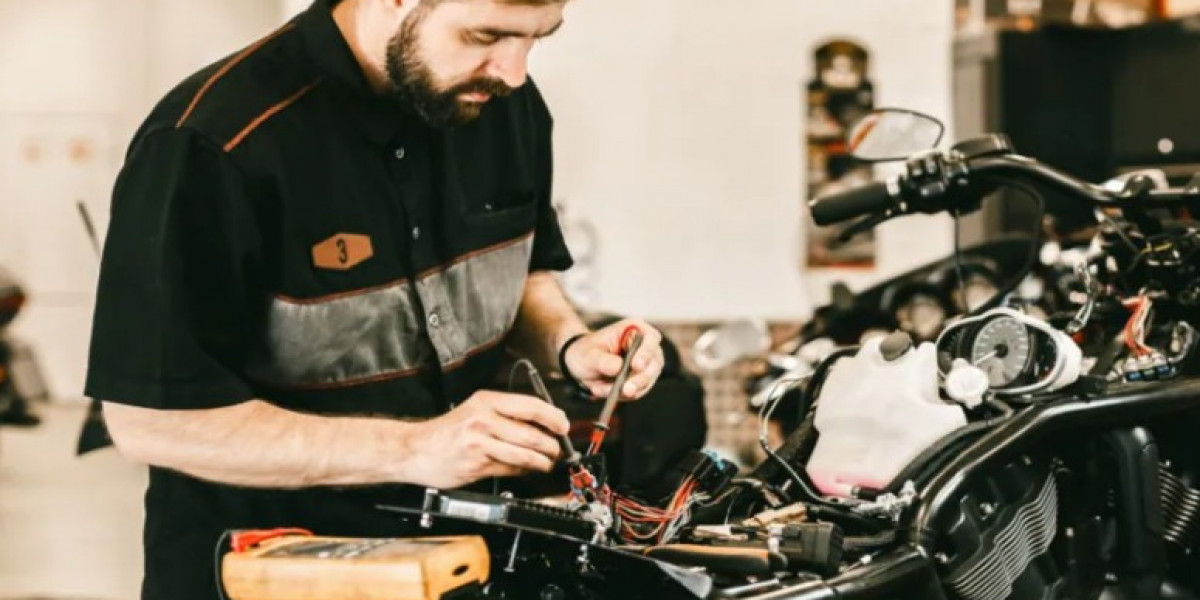
Identifying a failing VVT actuator requires a keen ear and a systematic approach to diagnostics. One of the most common signs is a distinct "clattering" or "rattling" sound coming from the top of the engine, particularly when it is warm and idling. This often indicates that the locking pin inside the phaser has failed, or that there isn't enough oil pressure to keep the vanes stable. Other symptoms include a noticeable drop in power at high RPMs, a rough idle, or a significant decrease in fuel efficiency. For those who enjoy the hands-on aspect of repair, a motorbike maintenance course provides the diagnostic tools and techniques needed to verify these issues. By using specialized pressure gauges and diagnostic software, a technician can determine if the problem is a mechanical failure within the phaser itself or an electrical issue with the control solenoid, preventing unnecessary and expensive parts replacement.
The Role of the VVT Solenoid in Timing Control
While the cam phaser does the heavy lifting, the VVT solenoid is the brain's "messenger" that controls the flow of oil. This electromagnetic valve is prone to clogging due to carbon buildup or metal shavings in the oil. When the solenoid sticks, the engine may stay stuck in an advanced or retarded timing state, causing it to stall at intersections or hesitate under hard acceleration. Cleaning the solenoid screens is often the first step in troubleshooting, a task that is a staple of any comprehensive motorbike maintenance course. If cleaning doesn't solve the issue, the solenoid’s internal coil must be tested for resistance. Understanding the electrical circuit that powers these actuators is vital, as modern bikes increasingly rely on these sensitive components to meet stringent emissions standards while still delivering the "punch" that riders expect from a high-performance engine.
Diagnostic Steps for Oil-Pressure Related Phasing Issues
Troubleshooting a phaser often starts with the simplest variable: the oil. Before tearing down the top end of an engine, a technician must verify that the oil pump is providing adequate pressure across the entire RPM range. If the pressure is low, the phaser will struggle to overcome the spring tension that holds it in the "parked" position. This diagnostic sequence is taught thoroughly in a motorbike maintenance course, emphasizing the "basics first" philosophy. Technicians will also look for "sludge" in the engine, as these narrow VVT passageways are the first to clog when oil changes are neglected. By using an oil pressure test kit, you can rule out the pump and focus your attention on the actuator itself. If the pressure is perfect but the timing is still off, you know the issue is likely a mechanical "seizure" of the phaser’s internal vanes or a failure of the timing chain tensioner.
Preventive Maintenance: Keeping the VVT System Healthy
The best way to "fix" a VVT actuator is to ensure it never fails in the first place. Because these systems are so sensitive to oil quality, the most effective preventive measure is a strict adherence to oil change intervals using only high-quality synthetic oils. Additionally, using the correct oil filter is paramount; some "budget" filters do not have the proper flow characteristics required for VVT-equipped engines. Aspiring mechanics who take a motorbike maintenance course gain a deep appreciation for these maintenance schedules. They learn that a motorcycle is a high-precision machine where the oil serves as both a lubricant and a hydraulic fluid. Keeping the internal galleries clean prevents the varnish and carbon deposits that lead to stuck vanes and solenoids, ensuring that the variable valve timing remains crisp and responsive for the entire life of the motorcycle.
The Future of Cam-Phasing and Engine Technology
As we look toward the future, VVT technology is becoming even more complex, with some manufacturers moving toward "camless" electronic valve actuation. However, for the millions of bikes currently on the road, the oil-pressure-driven phaser remains the standard. Understanding this technology is a prerequisite for any modern mechanic. Taking a motorbike maintenance course allows you to keep up with these advancements, giving you the confidence to work on the latest models from major manufacturers. As engines get smaller and more powerful, the role of VVT in squeezing out every last bit of efficiency will only grow. Whether you are a weekend hobbyist or a professional looking to sharpen your skills, mastering the intricacies of cam phasers and VVT actuators is a rewarding journey that ensures your ride stays fast, efficient, and reliable.
Conclusion: Mastering the Heart of the Machine
In conclusion, the VVT actuator is a marvel of modern engineering that bridges the gap between mechanical simplicity and electronic precision. While it can be a source of frustration when it fails, a systematic approach to troubleshooting oil pressure and solenoid function can demystify the system. For anyone who wants to take their mechanical skills to the next level, a motorbike maintenance course is an essential investment.