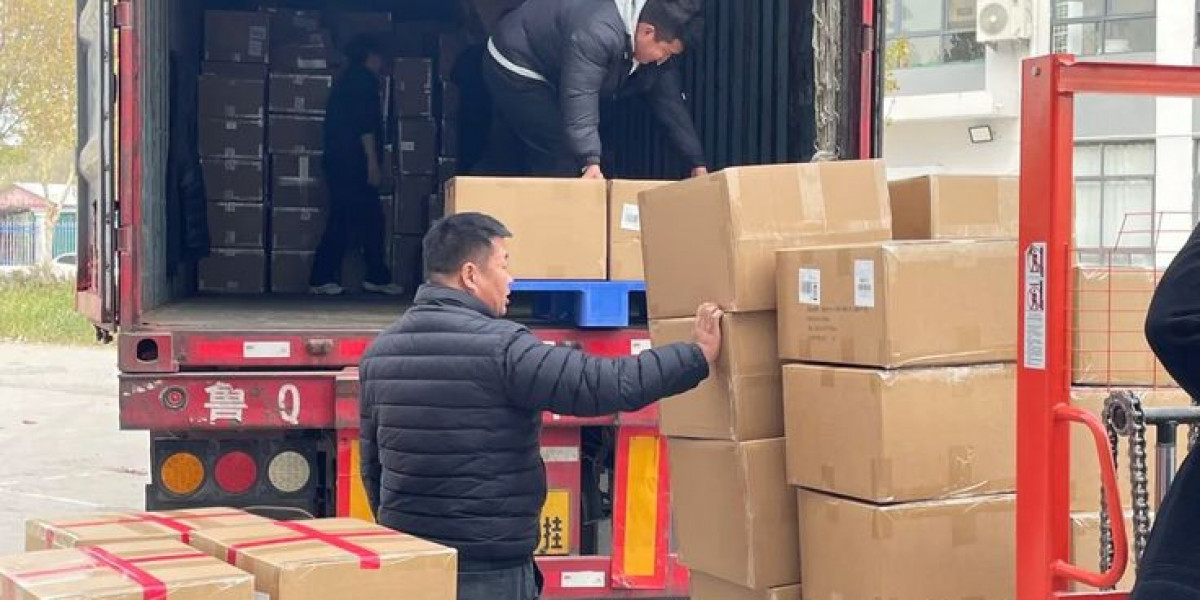
Melbourne is a major logistics center that aids Australia's foreign trade on a global scale. Every year, numerous shipments transit through its ports, necessitating precise paperwork and adherence to the country's import laws. The regulating mechanism for these shipments is what is generally known as customs clearance Melbourne, a process that verifies the goods comply with all the legal and taxation provisions prior to their entry into local markets.
Officials inspect import declarations to ensure that product details, tariff codes, and prices accurately correspond with invoices and shipping documents. With correct paperwork, customs facilities are capable of calculating duties and deciding if shipments warrant additional examination.
Besides, some items may be subjected to biosecurity controls, particularly if they involve plants, untreated wood packaging, or food products. Such checks are vital in safeguarding Australia's natural resources and farm sectors against hazards.
Nowadays, electronic customs systems allow importers to lodge details of their cargos even before the goods reach the port. This method not only accelerates the time taken to perform risk analysis but also equips border authorities to make prompt decisions.
Uniformity in documentation is essential in securing short clearance schedules and minimizing the chances of disruption within a global supply chain.