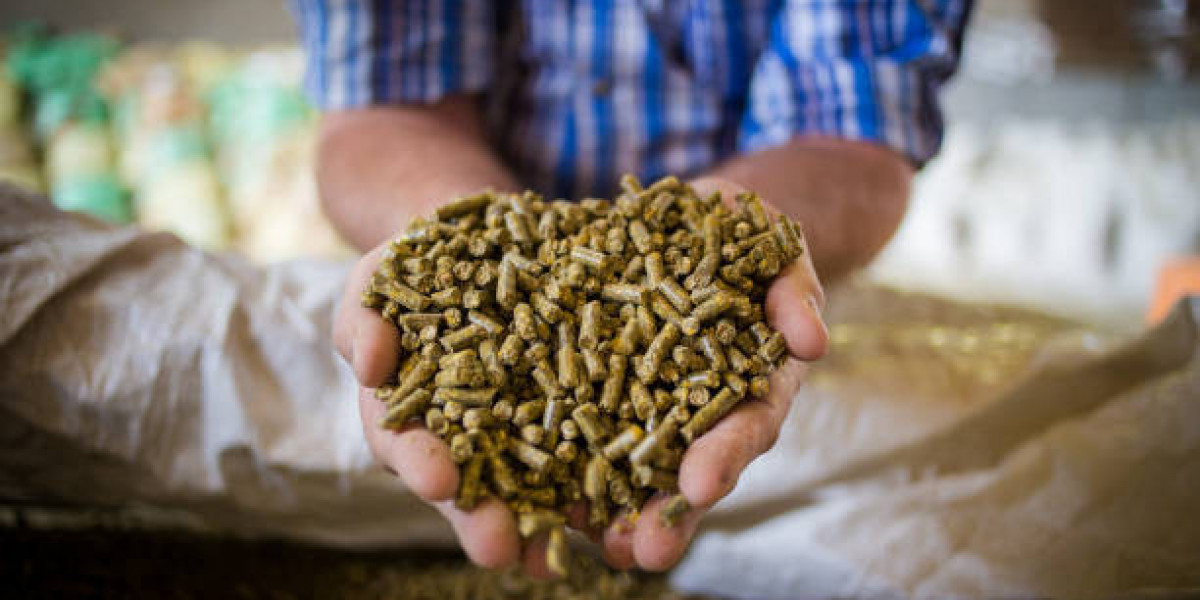
The algae based animal feed market is rapidly emerging as a sustainable solution for livestock nutrition, valued at 1.198 USD Billion in 2024 and projected to reach 5.036 USD Billion by 2035, expanding at a CAGR of 13.94%. This growth reflects increasing interest in environmentally friendly alternatives to conventional feed ingredients such as soybean meal and fishmeal. As global demand for meat, dairy, and seafood rises, producers are seeking nutrient-rich, cost-effective, and renewable feed solutions to meet production goals while minimizing environmental impact.
Algae provides a highly nutritious option for a variety of livestock species. Rich in proteins, essential amino acids, omega-3 fatty acids, vitamins, and minerals, algae enhances animal growth performance and overall health. Poultry producers benefit from improved yolk pigmentation and egg quality, while dairy cattle experience increased milk composition and yield. In aquaculture, the inclusion of microalgae feed ingredients supports fish growth, pigmentation, and immunity, making it an essential component of high-performance feed formulations.
Beyond nutritional benefits, algae cultivation offers significant environmental advantages. Unlike conventional feed crops, algae can be grown on non-arable land and in saline water systems, reducing competition with human food production and preserving valuable freshwater resources. The adoption of sustainable feed solutions also helps lower greenhouse gas emissions, aligning with global initiatives toward regenerative agriculture and responsible livestock management.
The growing recognition of algae’s potential has led to increased industry adoption. The sustainable livestock feed from algae segment is gaining momentum as a natural, traceable, and high-performance feed ingredient. Its ability to reduce dependence on synthetic additives and antibiotics makes it particularly attractive to producers focused on animal welfare and environmentally conscious practices. Additionally, algae-based feed supports improved gut health, immunity, and feed conversion efficiency across multiple livestock categories.
Technological advancements are accelerating the scalability of algae feed production. Modern photobioreactors, optimized open-pond systems, and advanced harvesting methods allow higher yields and consistent nutrient profiles. These improvements are strengthening the commercial viability of renewable animal feed additives, making algae an increasingly competitive alternative to traditional protein sources. Research into strain optimization is further enhancing protein concentration, lipid content, and digestibility, improving the overall value proposition for livestock producers.
Aquaculture continues to be a key driver of market growth. Fish and shrimp farming operations require feed rich in essential fatty acids, and algae provides a sustainable, high-quality solution. This has fueled expansion in the algae aquafeed segment, particularly in regions experiencing rapid growth in seafood consumption. By replacing fishmeal with algae-derived ingredients, producers also contribute to ocean conservation and reduce pressure on wild marine resources.
Regulatory trends and consumer preferences are reinforcing algae adoption. Governments and certification bodies are increasingly encouraging the use of natural feed additives and sustainable nutrition practices. Consumers are demanding transparency and traceability in animal products, making eco friendly feed supplements an appealing selling point. Producers leveraging algae feed solutions can differentiate themselves in competitive markets while meeting evolving sustainability standards.
Despite strong growth prospects, challenges such as capital-intensive infrastructure and production costs remain considerations. Cultivation systems, harvesting processes, and quality control require significant investment. However, as research progresses and economies of scale improve, cost barriers are expected to decline progressively.
In conclusion, algae-based animal feed is transforming modern livestock and aquaculture nutrition. Its combination of nutritional benefits, environmental sustainability, and scalability positions it as a cornerstone of the future feed industry. With projected strong growth through 2035, algae based animal feed market expansion represents both an opportunity for producers and a step toward more responsible global food systems.
Table of Contents
- Executive Summary
- Market Introduction
- Market Dynamics
- Market Segmentation
- Regional Analysis
- Competitive Landscape
- Future Outlook
FAQs
What is the projected market valuation for the Algae-Based Animal Feed Market in 2035?
The projected market valuation for the Algae-Based Animal Feed Market in 2035 is 5.036 USD Billion.
How much is the Animal Nutrition segment projected to be worth by 2035?
The Animal Nutrition segment is projected to be worth 1.999 USD Billion by 2035.
What is the projected value of the Livestock Feed segment by 2035?
The Livestock Feed segment is projected to reach 0.537 USD Billion by 2035.
Discover More Research Reports by Market Research Future:
Microbial Culture Market Research Report — Global Forecast till 2035
Gluten-Free Prepared Food Market Research Report — Global Forecast till 2035
Central & South America Food Safety Testing Market Research Report- Global Forecast till 2035
Icing Sugar Market Research Report — Global Forecast till 2035
Salad Dressings Mayonnaise Market Research Report — Global Forecast till 2035
Dry Blended Product Market Research Report — Global Forecast till 2035
Buttermilk Powder Market Trends, Size, Growth and Analysis 2035