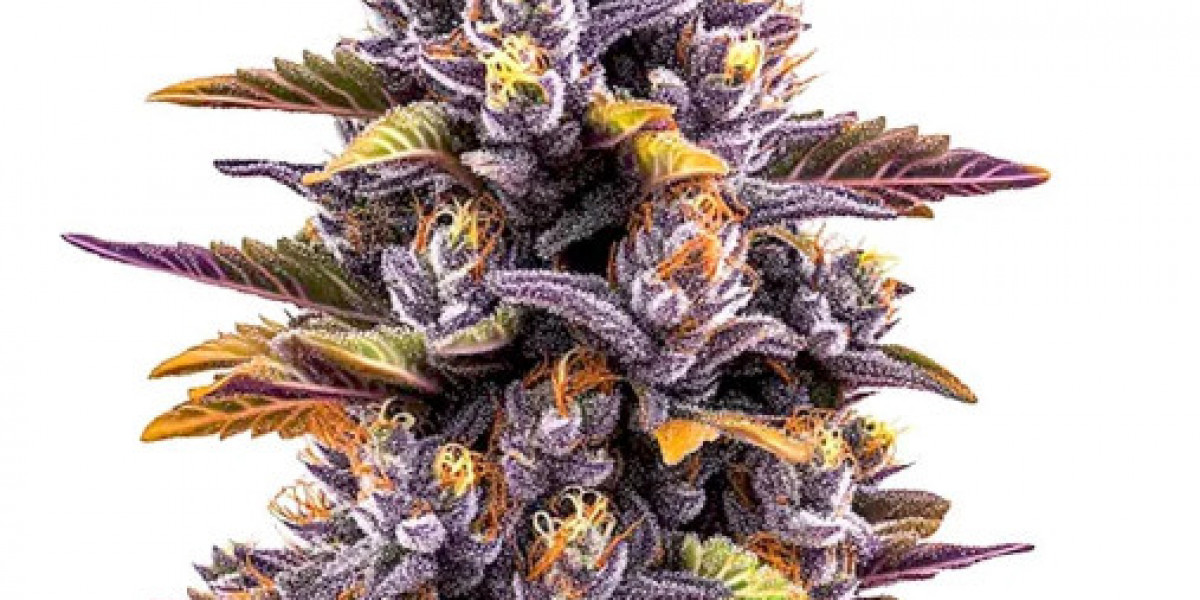
Forbidden Fruit Seeds: The Ultimate Guide to This Lush Indica
Indulging in a premium cannabis garden often starts with finding a strain that offers more than just potency. If you are looking for a sensory masterpiece that combines deep purple aesthetics with a mouthwatering tropical profile, you’ve likely come across Forbidden Fruit seeds. This iconic indica-dominant hybrid has become a staple in the USA cannabis scene, cherished by cultivators who prioritize flavor as much as the physical "couch-lock" relaxation it provides.
In this guide, we will explore everything you need to know about growing and enjoying this decadent variety. From the complex genetics of Forbidden Fruit Strain Seeds to the specific requirements for achieving those famous violet hues, we’ve gathered the most up-to-date insights for your 2026 grow cycle.
The Origins of a Modern Classic
Forbidden Fruit didn't happen by accident. It is the result of a masterfully crafted cross between two legendary parents: Cherry Pie and Tangie. This lineage creates a perfect storm of terpenes and cannabinoids. Cherry Pie brings the dense bud structure and musky, sweet dough notes, while Tangie infuses the mix with a loud, citrusy punch that stays on the palate long after the exhale.
When you purchase Forbidden Fruit Strain Feminized Marijuana Seeds, you are investing in genetics that have been stabilized for consistency. In the modern market, where "bag appeal" is king, Forbidden Fruit reigns supreme. The plants naturally produce high levels of anthocyanins, the pigments responsible for the deep purples and blues that make these flowers stand out in any collection.
Why Choose Forbidden Fruit Feminized Cannabis Seeds?
For most home growers in the USA, efficiency and reliability are the top priorities. Choosing Forbidden Fruit Feminized Cannabis Seeds ensures that your garden remains free of male plants, which can accidentally pollinate your crop and ruin your flower quality with seeds.
Benefits of Feminized Genetics:
Space Management: You don't have to waste time or nutrients on plants that you’ll eventually have to discard.
Higher Yields: Every square foot of your grow tent is dedicated to flower production.
Genetic Stability: These seeds are bred to mimic the original mother plant, ensuring that every phenotype delivers that signature tropical-cherry aroma.
Growing Forbidden Fruit: Tips for Success
Growing Forbidden Fruit Strain Seeds is often described as an "intermediate" experience. While the plant is resilient, it rewards the attentive gardener with significantly higher quality.
Indoor vs. Outdoor Cultivation
Indoors, this strain responds exceptionally well to the Screen of Green (ScrOG) method. Because the plants have a bushy, lateral growth habit, using a trellis net helps spread the canopy, ensuring light reaches the lower bud sites. You can expect a flowering time of roughly 8 to 10 weeks.
Outdoors, Forbidden Fruit Feminised Seeds thrive in Mediterranean-style climates. If you live in a region with long, warm summers and low humidity during the late fall, these plants can reach impressive heights of over six feet. To bring out the deep purple colors, many growers allow the nighttime temperatures to drop slightly during the final two weeks of flowering—mimicking the natural shift into autumn.
Nutrient Requirements
During the vegetative stage, Forbidden Fruit appreciates a steady supply of nitrogen to build its dense foliage. However, once you flip to the flowering stage, it’s important to dial back the nitrogen and increase phosphorus and potassium. In 2026, many organic growers are finding that adding bat guano or kelp meal enhances the terpene production, making the fruit scents even louder.
Aroma, Flavor, and Terpene Profile
The real magic of Forbidden Fruit seeds lies in the smoke. Opening a jar of well-cured Forbidden Fruit is like walking into a tropical fruit market. You’ll immediately notice:
Tropical Mango: A thick, syrupy sweetness.
Passionfruit: A tangy, exotic tartness.
Musky Cherry: A deep, earthy undertone inherited from Cherry Pie.
The dominant terpene is usually Myrcene, which contributes to the strain's relaxing properties, followed by Limonene and Caryophyllene. This combination doesn't just taste good; it creates a "synergy" known as the entourage effect, where the terpenes work alongside the THC to provide a more nuanced experience.
Effects and Usage
With THC levels often reaching between 23% and 26%, this is not a daytime strain for most. It is the quintessential "nightcap."
The Experience
The high typically starts with a gentle cerebral lift that wipes away the mental clutter of a long day. However, it quickly transitions into a heavy, warm body sensation. Users often report feeling a sense of "physical melting," making it perfect for lounging on the couch or preparing for a deep night’s sleep.
Common Uses
While we do not make medical claims, many users in the community seek out this strain for:
Evening Relaxation: Winding down after work.
Appetite Support: The "munchies" are a common side effect.
Managing Daily Stress: The heavy physical effects help disconnect from a busy schedule.
Optimizing Your 2026 Harvest
As we move through 2026, cultivation technology has advanced. To get the most out of your Forbidden Fruit Strain Seeds, consider the following:
LED Lighting: Modern full-spectrum LEDs allow you to mimic specific sun cycles, which can help in resin production.
Humidity Control: Because the buds of Forbidden Fruit are so dense, keeping your humidity below 45% during the final weeks of bloom is crucial to prevent mold.
Slow Cure: Don't rush the process. A minimum of three weeks in glass jars will allow the chlorophyll to break down, letting the berry and citrus flavors shine.
Conclusions
Choosing to grow Forbidden Fruit seeds from gelatoseeds is a commitment to quality over quantity. While other strains might yield more weight, few can compete with the incredible aroma and stunning visual appeal of this purple powerhouse. Whether you are a connoisseur looking for the best flavor profile or a hobbyist wanting a beautiful plant for the garden, this strain delivers on every front. Always ensure you are sourcing your genetics from a reputable provider like Gelato Seeds to ensure a successful and potent harvest.
The Forbidden Fruit strain remains a top-tier choice for 2026 due to its unmatched terpene profile and relaxing effects. By following the right cultivation steps and focusing on a clean, organic environment, you can produce professional-grade flowers that rival any top-shelf dispensary. This strain truly embodies the "forbidden" allure of high-end cannabis, offering a sensory experience that is both deeply relaxing and incredibly flavorful. Happy growing!
Frequently Asked Questions (FAQs)
Is Forbidden Fruit hard to grow for beginners?
While it isn't the most difficult strain, it does require some attention to pruning and humidity. Beginners can certainly succeed with Forbidden Fruit Feminised Seeds, provided they don't overwater and they keep a close eye on airflow.
How long does it take for Forbidden Fruit seeds to flower?
On average, the flowering period lasts 60 to 70 days. If you are growing outdoors in the Northern Hemisphere, you can expect to harvest in early to mid-October.
What does the Forbidden Fruit strain taste like?
It is famous for its "purple" taste—a mix of overripe cherries, zesty Tangie oranges, and tropical passionfruit. It is often cited as one of the best-tasting strains available today.
Can I grow Forbidden Fruit in a small tent?
Yes. Because it is an indica-dominant hybrid, it tends to be more bushy than tall. Using training techniques like "topping" can help keep the height manageable for small spaces.