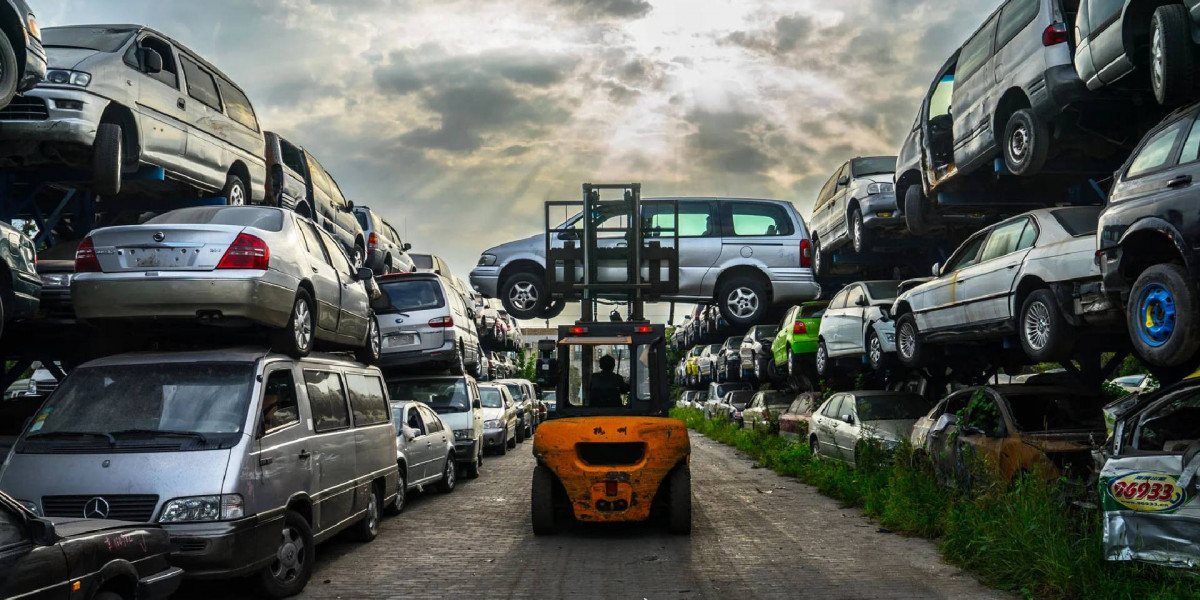
Finding specific parts for an electric vehicle (EV) can feel like a difficult task. Most people think that once an electric car is damaged, it is gone for good or only high-priced dealerships can provide spares. However, as more electric cars hit Australian roads in 2026, wrecking yards are becoming a great place to find rare components. Whether you need a motor for a Tesla or a specific sensor for a BYD, knowing how to navigate a salvage yard can save you thousands of dollars.
This guide explains how to find rare EV parts safely and what you need to look for when visiting a local wrecker.

The Growth of Electric Vehicle Salvage in Australia
A few years ago, it was almost impossible to find an electric car in a scrap yard. Today, things are changing. In the first half of 2025, sales for electric vehicles in Australia rose by over 20 percent. With more cars on the road, more vehicles naturally end up in salvage yards due to accidents or mechanical issues.
Data from the Electric Vehicle Council shows that thousands of tonnes of battery material will enter the waste stream by 2030. This means wrecking yards are now investing in tools and training to handle these modern machines. While petrol cars are still more common, the section for hybrids and EVs is growing every month.
Safety First: High Voltage Systems
You cannot walk into a yard and start pulling parts off an electric car like you would with an old sedan. Electric vehicles carry high voltage systems that can be deadly if you touch the wrong wire. Most modern EVs use orange cabling to signify high voltage areas. These systems often run at 400 to 800 volts.
Professional wreckers must follow strict isolation protocols. They use insulated tools and wear protective gear to depollute the vehicle. Before you touch any part, you must ensure the high voltage battery has been disconnected. Most yards will do this before placing the car in the picking area, but it is always vital to ask the staff for confirmation.
Rare Parts You Can Find at a Wrecker
While many people go to wreckers for body panels or mirrors, the real value lies in the electronic and mechanical components that are hard to buy new.
Electric Drive Motors
The motor is the heart of the car. Unlike petrol engines, electric motors have very few moving parts. This means a motor from a crashed car is often in perfect working condition. These are highly sought after by people doing EV conversions on classic cars.
Inverters and Converters
These units manage the flow of electricity between the battery and the motor. They are expensive to buy from a dealer. Since they are usually tucked away under the bonnet or near the rear axle, they often survive crashes that damage the outer shell of the car.
Battery Modules
While the entire battery pack is heavy and hard to move, individual modules are often salvaged. These are used for home solar storage or to repair other EV packs. In 2026, many Australians are using these second-life batteries to power their off-grid setups.
Infotainment and Dash Screens
Modern electric cars rely heavily on large touchscreens. These units are prone to software glitches or physical cracks. Finding a replacement screen at a yard can cost a fraction of the price of a brand-new unit.
How to Verify the Health of Salvaged Parts
When you find a part, you need to know it actually works. Unlike a mechanical part where you can see wear and tear, electronic parts require a different approach.
Check the VIN: Use the Vehicle Identification Number to see the history of the donor car. If the car had low mileage before the crash, the parts are likely in good shape.
Look for Thermal Damage: Check for any signs of melting, burnt smells, or discolouration on the casing of electronic modules.
Ask for Test Results: Many professional wreckers now use diagnostic tools to check the "State of Health" (SoH) of batteries and motors before they put them on the shelf.
Inspect Connectors: Ensure the pins and plugs are not bent or corroded. Replacing a damaged plug on an EV harness is very difficult.
Integrating Old Vehicles into the New Economy
The shift toward electric transport does not mean old cars have no value. In fact, the recycling industry relies on a steady flow of vehicles to keep the supply chain moving. When a car reaches the end of its life, it provides the raw materials needed for future technology. This cycle is important for the environment and for keeping repair costs down for everyone.
If you have an old vehicle taking up space in your driveway while you look for your next electric car, you can turn that metal into money. For those living in Queensland, opting for a professional removal service is a practical way to clear out your garage. A local business such as Cash For Car Brisbane can take your old vehicle and ensure the steel, aluminium, and copper are recycled properly. This helps fuel the circular economy that eventually provides the salvaged parts you might need for your new EV. It is a logical step for any car owner who wants to move away from old technology while getting a bit of extra money in their pocket.
Tips for a Successful Search
Finding rare parts requires a bit of strategy. Because these items are in high demand, they do not stay on the shelves for long.
Use Online Databases: Many Australian wreckers now list their inventory on websites like Car-Part.com.au or their own digital catalogues. Check these daily.
Bring the Right Tools: If the yard allows "u-pull-it" service, ensure you have insulated gloves and basic hand tools. Never use a power saw near a battery pack.
Check Compatibility: Even within the same model year, manufacturers often change part numbers. Always bring your old part or a photo of the part number to the yard to compare.
Inquire About Warranties: Most reputable wreckers offer a 30 to 90-day warranty. This gives you enough time to install the part and verify that it functions correctly in your vehicle.
The Environmental Benefit of Salvaging
Choosing a used part is not just about saving money. It is also the greenest way to maintain a vehicle. Manufacturing a new EV motor or battery requires a lot of energy and mining for raw materials like lithium, cobalt, and nickel. By reusing a part that already exists, you reduce the carbon footprint of your car.
The automotive recycling industry in Australia is becoming more sophisticated every year. By 2026, the process of dismantling an electric car will be as standard as changing the oil in an old ute. By learning how to find and verify these parts today, you are staying ahead of the curve and keeping your electric vehicle on the road for longer.