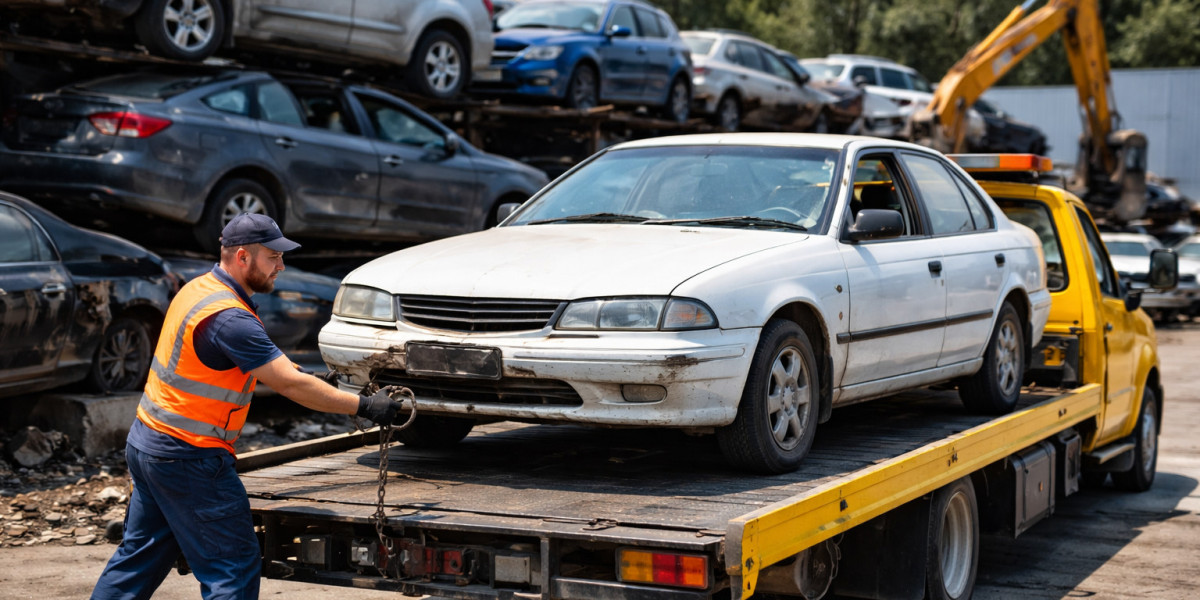
Many vehicles reach a stage where repairs no longer make sense. The engine may have failed. The gearbox may be slipping. Rust may have spread through the chassis. Some cars fail inspection and cannot pass registration. Others are written off after an accident. In these cases, repairing the vehicle can cost more than what the car is worth. When this happens, selling to a wrecking yard becomes a practical option for many owners across New South Wales.
How the Car Wrecking Industry Works in Australia
Car wrecking yards buy vehicles for dismantling and recycling. After a vehicle arrives at the yard, workers inspect it and remove usable parts such as engines, alternators, radiators, doors, and gearboxes. These parts are cleaned and resold as used components. The remaining body shell is crushed and sent for metal recycling. In Australia, around 85 to 90 per cent of a vehicle’s materials can be recycled. Steel, aluminium, copper, plastic, and glass are separated and processed. Fluids such as oil, coolant, brake fluid, and fuel are drained and treated to prevent environmental harm. This system supports waste reduction and lowers the demand for new raw materials.
Step One: Gather Your Vehicle Details
Before contacting a wrecking yard, collect the basic details of your vehicle. You will need the make, model, year, registration number, Vehicle Identification Number, and odometer reading. You should also note any damage. Being clear about the car’s condition helps the buyer assess parts and scrap metal content. Honest details prevent confusion later in the process.
Step Two: Request a Quote
Once your details are ready, contact the yard for a quote. The offer is based on the weight of the vehicle, current scrap metal prices, and the condition of reusable parts. Metal prices change depending on global demand. Steel and aluminium rates often affect how much is offered. Some makes and models may attract more interest if parts are in demand across Australia.
Step Three: Accept the Offer and Arrange Collection
If you agree with the amount offered, a pickup time is arranged. Many vehicles sold for dismantling are not roadworthy, so towing is usually organised by the yard. If your vehicle still runs safely, you may deliver it yourself. Always confirm the pickup time and keep communication clear.
Learn more about our vehicle removal and recycling service today by visiting our website at https://nswautowrecker.com.au/
What Determines the Price of Your Vehicle?
Several factors influence the amount you receive. Vehicle weight plays a major role because scrap value is often based on metal content. Larger vehicles usually contain more steel. Current metal market rates also affect pricing. The condition of parts matters as well. Engines, gearboxes, and panels in working order can increase the overall offer. Location can also influence the final amount, since transport distance affects costs.
Environmental Impact of Car Recycling
Car recycling plays a strong role in reducing waste across Australia. Recycling steel uses far less energy than producing new steel from raw iron ore. This helps reduce greenhouse gas emissions. Reusing parts lowers the need for new manufacturing, which saves resources. Hazardous materials such as oil and battery acid are handled carefully to prevent soil and water contamination. Batteries are sent to facilities where lead and plastic are recovered. These steps help keep dismantling operations aligned with environmental rules.
Preparing Your Vehicle Before Pickup
Before collection, remove all personal belongings from the cabin and boot. Check storage compartments carefully. Remove the registration plates if cancelling registration. Take photos of the vehicle for your records. Cancel insurance and disconnect any toll account linked to the car. These steps ensure the transfer is clean and documented.
Safety and Compliance at the Yard
Licensed wrecking yards follow workplace safety standards. Vehicles are dismantled using lifting equipment and cutting tools. Workers wear protective clothing. Air conditioning gas must be captured with proper machinery. Fuel systems and airbags are handled carefully. Businesses operating as a car wreckers sydney must follow state waste laws and environmental guidelines. Compliance ensures materials are recycled correctly and risks are reduced.
Private Sale vs Wrecking
Selling privately may suit vehicles in working condition, but it often requires advertising, inspections, and negotiation. If a vehicle has major faults or accident damage, private buyers may hesitate. Wrecking offers an option when the car is no longer practical to repair or sell through regular channels. Each situation depends on the vehicle’s condition and the owner’s priorities.
Final Thoughts
Selling your vehicle to a wrecking yard in Sydney involves clear steps. Gather vehicle details, confirm ownership documents, accept an offer, and arrange collection. Recycling helps recover steel, aluminium, and other materials while reducing environmental impact. When a vehicle reaches the end of its working life, dismantling and recycling provide a responsible path forward.