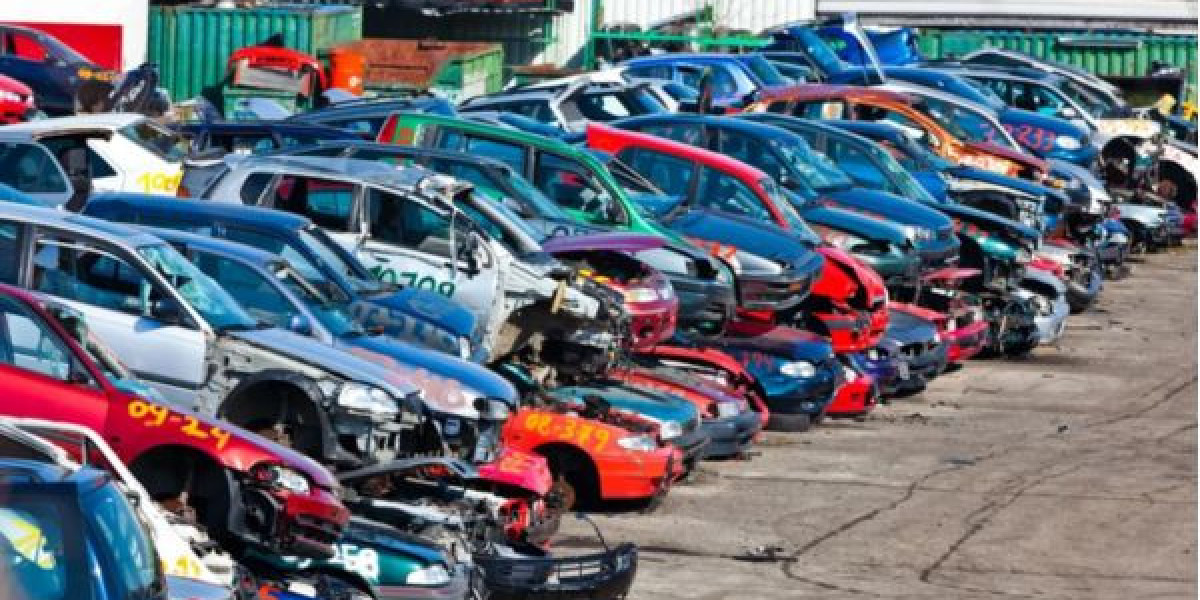
The Northern Beaches region of Sydney has experienced remarkable growth over the past decade, and with it comes an interesting challenge: what happens to the thousands of vehicles that reach the end of their useful life each year? While most residents focus on buying new cars, few consider the sophisticated network of removal services that handle unwanted vehicles across the peninsula.
Cash for cars removal services have evolved from simple scrap metal operations into comprehensive vehicle recycling businesses that serve both environmental and economic purposes. These services offer immediate payment for vehicles in any condition, from accident-damaged sedans to non-running utes gathering rust in suburban driveways. The mechanics behind these operations are more nuanced than many realise, involving careful assessment, strategic parts recovery, and environmentally compliant disposal methods that protect our coastal ecosystem.
When searching for the best scrap cars northern beaches services, residents discover that modern vehicle removal operates on principles of value extraction and resource conservation. Every vehicle contains recyclable materials—steel, aluminium, copper wiring, catalytic converters with precious metals, and reusable components that can extend the life of other vehicles. Understanding how this industry functions helps car owners make informed decisions whilst contributing to circular economy principles that reduce landfill waste and mining demands.
How Vehicle Removal Services Actually Work
The process begins with a simple phone call or online inquiry. Vehicle owners provide basic information: make, model, year, and current condition. Within hours, a quote arrives—sometimes surprisingly generous for what appears to be worthless metal. This rapid valuation stems from sophisticated pricing algorithms that factor in current scrap metal rates, parts demand, and recovery costs.
Licensed removal operators dispatch tow trucks equipped to handle vehicles in any state. Completely immobile cars pose no problem; these professionals extract vehicles from tight garages, sloped driveways, and awkward parking spots daily. The removal itself typically takes thirty minutes, with payment processed immediately upon collection. This efficiency reflects streamlined operations refined through thousands of transactions.
Once collected, vehicles enter a systematic dismantling process. Trained technicians first drain all fluids—engine oil, transmission fluid, coolant, brake fluid, and petrol. These substances require proper disposal or recycling to prevent soil and water contamination. Along the Northern Beaches, where our suburbs sit mere kilometres from pristine waterways, this environmental responsibility carries particular weight.
The Economics Behind Instant Cash Offers
Many Northern Beaches residents wonder how removal companies profit whilst offering immediate payment. The answer lies in comprehensive value recovery across multiple revenue streams.
Salvageable parts represent the primary profit centre. A single vehicle contains hundreds of components, from alternators and starters to door handles and dashboard electronics. High-demand parts get catalogued, tested, and sold through online marketplaces or to local mechanics seeking affordable alternatives to new manufacturer parts. A functioning transmission from a written-off vehicle might sell for hundreds of dollars, whilst smaller items contribute steady incremental revenue.
Scrap metal forms the second revenue pillar. The average car contains approximately 1,200 kilograms of steel and 120 kilograms of aluminium. At current commodity prices, this material value alone often exceeds what removal companies pay vehicle owners. Catalytic converters deserve special mention—these emissions control devices contain platinum, palladium, and rhodium. Depending on the vehicle's age and type, a single catalytic converter might contain $100 to $500 worth of precious metals.
Tyres, batteries, and glass also find secondary markets. Tyres undergo recycling into rubber crumb for playgrounds and sports surfaces. Lead-acid batteries retain significant value due to their near-perfect recyclability—approximately 99% of a car battery can be recovered and reused. Even windscreen glass gets crushed and repurposed in construction materials or fibreglass insulation.
Environmental Benefits That Extend Beyond Recycling
The Northern Beaches community has demonstrated strong environmental consciousness, from beach clean-up initiatives to sustainable business practices. Vehicle removal services align perfectly with these values, though their environmental contributions often go unrecognised.
Preventing fluid contamination represents perhaps the most immediate benefit. A single litre of motor oil can contaminate one million litres of freshwater. When old vehicles deteriorate in backyards or industrial areas, their seals fail and fluids leach into soil. Professional removal eliminates this risk entirely, ensuring hazardous substances reach appropriate disposal or recycling facilities.
Reducing mining demand through metal recycling delivers broader environmental advantages. Extracting virgin steel and aluminium requires enormous energy inputs and generates substantial greenhouse emissions. Recycled metals require 95% less energy to process compared to ore-based production. When Northern Beaches residents sell their old vehicles to removal services, they're indirectly reducing global mining operations and their associated environmental degradation.
Parts reuse extends vehicle lifecycles across the broader community. When mechanics source quality used components instead of new parts, they reduce manufacturing demand. This cascading effect touches multiple industries—less rubber production for hoses, fewer plastics moulded for interior components, reduced steel forging for brackets and structural elements.
Who Uses Cash for Cars Removal Services?
The customer profile spans remarkably diverse demographics, each with distinct motivations and circumstances.
Accident victims form a significant segment. After insurance companies declare vehicles total losses, owners face the burden of disposal. Traditional selling methods require roadworthy vehicles, creating a practical impossibility. Removal services solve this problem instantly, collecting damaged vehicles and providing funds that contribute toward replacement purchases.
Elderly residents downsizing their property often discover old vehicles that haven't run in years. Perhaps it's a vintage model kept for sentimental reasons, now too expensive to restore. Maybe it's a second car that became redundant after retirement. These situations benefit from hassle-free removal—no advertising, no negotiations with uncertain buyers, no mechanical repairs required before sale.
Mechanics and panel beaters regularly use removal services for vehicles beyond economical repair. When repair costs exceed vehicle value, these professionals recommend removal as the practical solution. Their repeat business with removal companies often establishes relationships that benefit their customers through reliable service and fair pricing.
Property developers and real estate agents encounter abandoned vehicles on purchased land or rental properties. Legal disposal requirements mandate proper handling rather than simple dumping. Licensed removal services provide documentation proving compliant disposal, protecting against potential environmental liability claims. Learn more: https://www.cashforcarssydney.com.au/
Geographic Considerations Specific to Northern Beaches
The Northern Beaches peninsula presents unique logistical challenges that influence removal operations. Limited access roads, narrow residential streets, and hilly terrain require specialised equipment and experienced drivers. Companies serving this area invest in smaller tow trucks capable of navigating tight corners and steep gradients that characterise suburbs like Avalon, Newport, and Bilgola.
Coastal corrosion accelerates vehicle deterioration across the Northern Beaches. Salt air attacks metal surfaces relentlessly, particularly affecting undercarriages and exhaust systems. Vehicles that might run for fifteen years inland often require replacement after ten years near the ocean. This environmental factor drives higher vehicle turnover rates, sustaining robust demand for removal services.
Traffic congestion during peak holiday periods affects removal scheduling. Summer months bring thousands of visitors to Northern Beaches attractions, creating bottlenecks on Pittwater Road and Military Road. Professional removal companies account for these patterns, scheduling collections during off-peak hours to minimise disruption and ensure efficient service.
The Legal Framework Governing Vehicle Disposal
New South Wales maintains strict regulations around end-of-life vehicle handling, designed to protect environmental quality and ensure proper business practices. Understanding these requirements helps residents make informed choices when selecting removal services.
Licensed operators must register with NSW Environment Protection Authority as waste transporters. This registration confirms adherence to environmental standards and proper disposal protocols. Before engaging any removal service, residents should verify current licensing—legitimate companies provide this information readily.
Transfer of ownership requires proper documentation. Even when selling to removal companies, owners must complete notice of disposal forms through Service NSW. This legal step protects against future liability if the vehicle gets abandoned or used in criminal activity before final disposal. Reputable removal services guide customers through this process, often handling paperwork submission as part of their service.
Depollution requirements mandate complete fluid removal before crushing or dismantling. Licensed dismantlers maintain systems for capturing, storing, and disposing of automotive fluids according to environmental regulations. These facilities undergo regular inspections to verify compliance. Choosing licensed operators ensures vehicles receive environmentally responsible handling rather than illegal dumping.
Maximising Value When Selling to Removal Services
While removal companies buy vehicles in any condition, owners can influence final payment through several strategies.
Timing sales around metal price fluctuations can increase returns by 10-15%. Scrap metal values respond to global commodity markets, with prices varying month to month. Though tracking these markets requires effort, owners planning removal several months ahead might monitor trends and sell during price peaks.
Providing accurate vehicle information yields better initial quotes. Detailed descriptions—specific model variants, known mechanical issues, modification details—help assessors provide precise valuations. Vague descriptions often result in conservative quotes that get adjusted downward upon physical inspection.
Removing personal belongings before collection sounds obvious but frequently gets overlooked. Drivers cannot transport vehicles containing personal items for liability reasons. Having the vehicle completely cleared enables immediate collection and payment without delays.
Maintaining some documentation adds value. Registration papers, service history, and owner's manuals help removal companies market salvaged parts more effectively. Well-documented vehicles often command slightly higher prices because potential parts buyers gain confidence in component history and authenticity.
Common Misconceptions About Vehicle Removal
Several myths persist around car removal services, sometimes preventing residents from accessing these convenient solutions.
The belief that "old cars have no value" regularly surprises people when they receive offers for vehicles they considered worthless. Even non-running vehicles from the 1990s contain recyclable materials worth several hundred dollars. The Northern Beaches housing market means every square metre holds value—removing a non-functional vehicle from a driveway or garage literally frees up valuable real estate.
Some assume removal equals donation, expecting no payment. While charitable vehicle donation programmes exist, commercial removal services operate differently. They're businesses that extract value through parts and materials recovery, enabling them to pay owners immediately. This distinction matters when residents compare disposal options.
Concerns about hidden fees occasionally deter people from pursuing quotes. Legitimate removal companies never charge for collection or impose surprise deductions. Their business model depends on material recovery, not customer fees. Any company requesting payment for removal should raise immediate red flags.
The Future of Vehicle Removal and Recycling
Electric vehicle adoption will reshape removal services within the next decade. EVs contain fewer recyclable metals but feature valuable lithium-ion batteries requiring specialised handling. Forward-thinking removal companies are already developing EV expertise, investing in equipment for safe battery removal and establishing relationships with battery recycling facilities.
Automated dismantling technology promises increased efficiency and safety. Robotic systems can remove hazardous airbags, extract fluids with precision, and disassemble vehicles faster than manual methods. While human expertise remains essential for assessment and quality control, automation will likely handle repetitive, dangerous tasks.
Circular economy principles will drive industry evolution. Rather than viewing vehicles as waste, future systems will treat them as material banks. Advanced tracking might follow specific components through multiple lifecycles, optimising reuse and recycling at every stage. The Northern Beaches community, with its environmental awareness, will likely embrace these developments enthusiastically.
Making the Call: When Vehicle Removal Makes Sense
Deciding whether to repair, sell privately, or use removal services requires honest assessment. Repair makes sense when costs remain below 50% of vehicle value and the car meets ongoing needs. Private sale works for roadworthy vehicles with established market demand. Removal services excel when vehicles fail these criteria.
Consider removal when repair quotes exceed $3,000 for vehicles worth less than $6,000. The mathematics rarely justify major repairs on ageing vehicles, particularly given Northern Beaches coastal corrosion issues. Removal provides immediate liquidity without repair investment.
Non-running vehicles stored for more than six months typically become removal candidates. Good intentions about "eventually fixing it" rarely materialise, whilst the vehicle deteriorates and occupies valuable space. Removal converts a depreciating liability into immediate cash.
Multiple mechanical systems failing simultaneously signal removal time. When transmission, engine, and suspension all require attention, combined repair costs quickly become prohibitive. Even if individual repairs seem manageable, the age and condition suggesting multiple failures indicate further problems ahead.