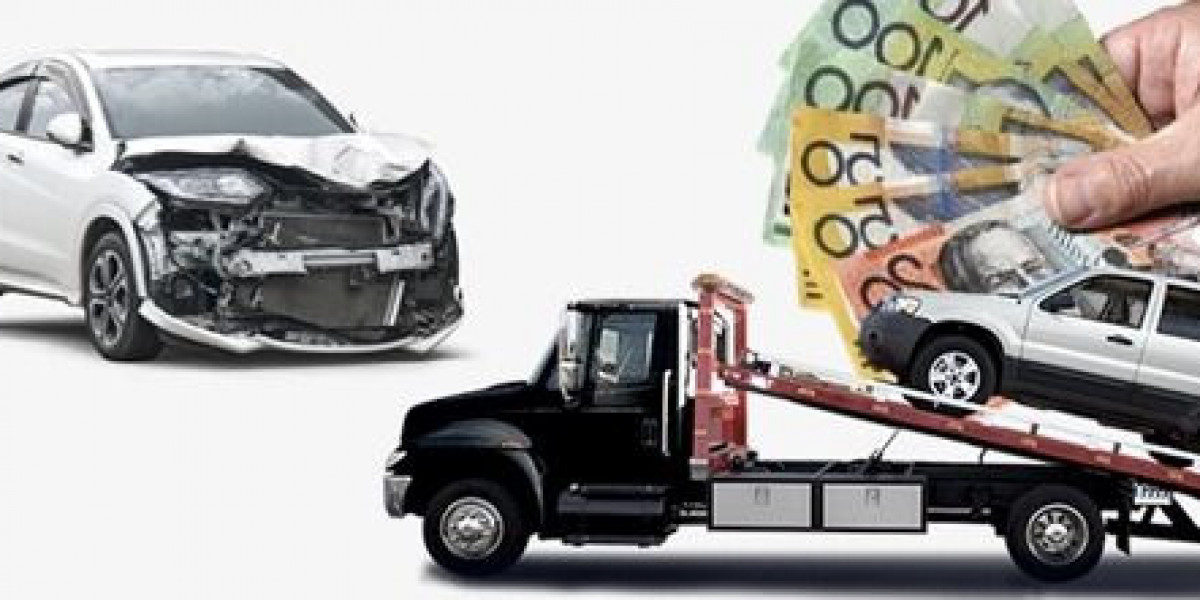
Old cars are a common sight across Cairns. Some sit in backyards, some stay parked on the street, and others rest behind sheds for years. Many people think these vehicles are harmless once they stop running. The truth is different. When cars are left unused, they slowly turn into a waste problem. Scrapped vehicles play an important role in cutting landfill pressure across Far North Queensland.
Cairns has a fragile natural setting. Rainforests, creeks, wetlands, and the reef system all sit close to daily life. Managing waste matters here more than in many other places. Scrapped cars help reduce landfill waste by keeping heavy materials out of dump sites and placing them back into reuse cycles. Learn more: https://cash4carstownsville.com.au/
Why Old Cars Become a Waste Risk
A car is not just metal. It contains plastics, rubber, glass, fluids, and electrical parts. When a vehicle stays unused for long periods, these materials begin to break down. Fluids can leak into soil. Plastics crack under heat. Rubber parts harden and split.
Cairns weather speeds up this damage. Heat and moisture increase rust and material decay. Salt air from coastal areas also affects metal faster than in inland regions.
If abandoned cars end up in landfill without proper processing, they take up large space and create pollution risks. A single car can occupy several cubic metres of landfill space. Multiply that by hundreds of vehicles each year, and the problem becomes clear.
How Scrapped Cars Stay Out of Landfill
When a car is scrapped through legal removal channels, it does not go straight to landfill. The process focuses on separating materials and sending them to suitable recycling streams.
Only small portions of a vehicle end up as waste. Most of the car is reused or recycled. This approach keeps landfill sites from filling with bulky items that do not break down.
In Queensland, vehicles are classed as controlled waste if handled incorrectly. This rule exists because cars contain harmful substances that should not sit in landfill areas.
Metal Recycling and Landfill Reduction
Metal makes up the largest share of a car. Steel, aluminium, and copper are common materials. These metals do not belong in landfill.
cash for cars removal cairns plays a major role in waste reduction. One recycled car can save over one tonne of raw iron ore from mining. Recycled steel uses far less energy than producing new steel from raw material.
Aluminium parts such as wheels and engine components also return to manufacturing cycles. Copper wiring is reused in electrical industries.
Each tonne of recycled metal is a tonne that does not enter landfill. This matters in Cairns, where landfill space is limited and transport to distant sites raises costs.
The Role of Parts Reuse in Waste Control
Not all parts from scrapped cars are melted down. Many components remain usable even when the vehicle itself can no longer run.
Parts such as engines, alternators, radiators, mirrors, doors, and seats often find a second life. Mechanics and vehicle owners rely on these parts for repairs, especially for older models.
Every reused part reduces demand for new manufacturing. It also keeps bulky items out of landfill. A reused engine or gearbox alone saves hundreds of kilograms of waste.
This reuse culture quietly supports waste control across Cairns without drawing much attention.
Safe Removal of Hazard Materials
Cars contain materials that cause serious harm if dumped. Oil, fuel, coolant, brake fluid, and battery acid contaminate soil and water when released untreated.
During the scrapping process, these materials are removed first. Fluids are drained and stored in sealed containers. Batteries are taken out and sent to specialist recycling centres.
This step prevents toxic substances from entering landfill sites. In Cairns, this protection matters due to nearby waterways and marine systems.
A single car battery can pollute thousands of litres of water if damaged. Removing it from the waste stream protects both land and sea.
Plastic and Rubber Recovery
Modern vehicles contain large amounts of plastic and rubber. Dashboards, bumpers, trims, hoses, and seals fall into this category.
Some plastics are recycled into industrial products such as piping, packaging materials, or road construction fillers. Rubber from tyres is often shredded and used for playground surfaces, road layers, or drainage systems.
Tyres alone pose a landfill challenge. They trap air, take up space, and create fire risks. Scrapping cars helps ensure tyres follow safe reuse paths instead of landfill dumping.
Crushing and Space Saving
After parts and materials are removed, the remaining car shell is crushed. Crushing reduces the size of the vehicle dramatically. A full car becomes a flat block of metal.
This process saves transport space and prevents large items from clogging waste facilities. Crushed shells are sent to metal processors instead of landfill sites.
Without crushing, landfill areas would fill rapidly with large metal objects that serve no purpose once buried.
Cairns Landfill Pressure and Population Growth
Cairns continues to grow as a regional centre. More residents mean more vehicles. As vehicles age, more leave the road each year.
Landfill management becomes harder as population rises. Councils must plan years ahead to manage waste volume. Large items such as vehicles create planning strain.
Scrapped cars reduce this pressure by diverting waste away from landfill and into recycling networks. This diversion helps extend landfill lifespan and reduce future costs.
Legal Controls That Support Waste Reduction
Queensland laws regulate vehicle disposal. Dumping a car illegally carries penalties. These laws exist to protect land and water from contamination.
Licensed removal and scrap yards follow set procedures. Records are kept for vehicle handling, fluid disposal, and material movement.
These rules ensure scrapped cars do not turn into landfill shortcuts. They also prevent abandoned vehicles from becoming community hazards.
Community Impact Beyond Waste
Scrapped cars support local work across Cairns. Transport drivers, yard workers, mechanics, and recycling staff all take part in the process.
This activity keeps material moving through the economy instead of sitting idle in landfill. It also supports repair trades that rely on reused parts.
The process links waste control with practical industry needs in the region.
Environmental Protection Through Recycling
Every scrapped car that avoids landfill reduces environmental strain. Less landfill waste means fewer emissions, less soil contamination, and lower risk to waterways.
Cairns sits close to sensitive ecosystems. Waste management decisions affect more than urban areas. Recycling old vehicles supports broader environmental care across the region.
The phrase cash for cars removal cairns often appears in conversations around vehicle disposal, yet the real impact lies in landfill reduction rather than advertising claims.
Long Term Effects on Waste Management
Scrapping cars creates long term waste control gains. Metals return to production cycles. Parts stay in use. Hazard materials know proper handling.
This system prevents future landfill growth and supports resource conservation. It also lowers demand for raw material extraction, which carries environmental cost.
Each scrapped vehicle becomes part of a wider effort to manage waste responsibly.
Final Thoughts
Scrapped cars in Cairns play a quiet but serious role in reducing landfill waste. They keep heavy materials out of dump sites, protect land and water, and support recycling systems that benefit the wider community.
An old car does not mark the end of usefulness. When handled correctly, it becomes a source of recycled material, reused parts, and environmental protection.
Understanding this process helps show why vehicle scrapping matters beyond simple removal. In a region like Cairns, every step away from landfill counts.