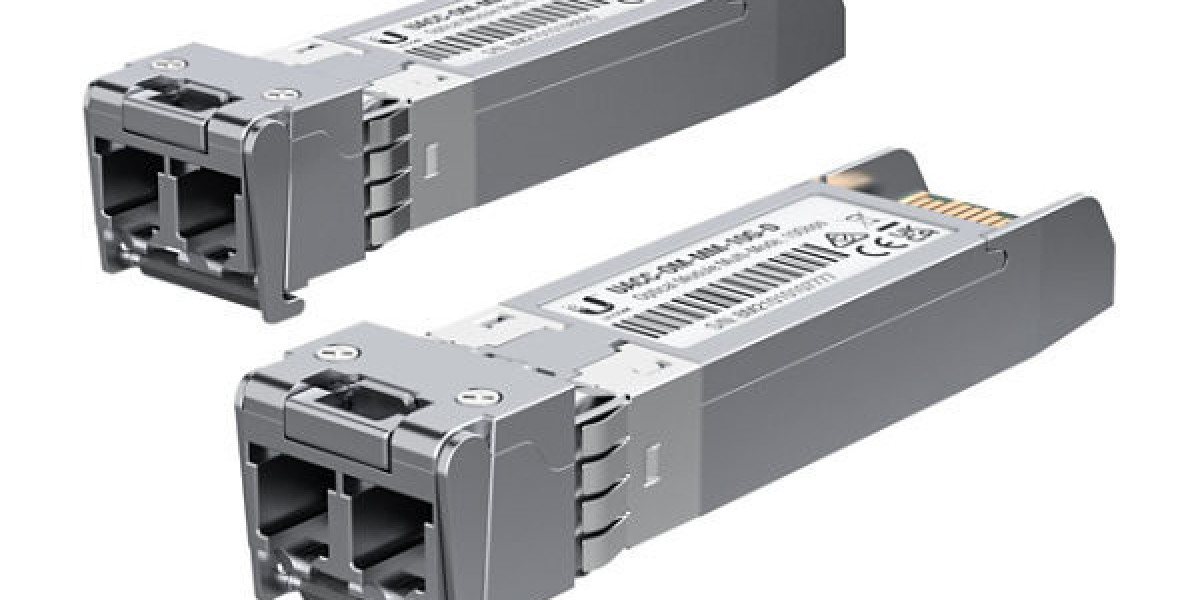
Transceivers are essential components in modern networking, enabling devices to both transmit and receive data over communication channels. Found in switches, routers, and servers, transceivers play a critical role in keeping data flowing smoothly across local and wide area networks. As businesses demand higher speeds and greater reliability, transceivers have become a cornerstone of scalable network design.
What Are Transceivers and How Do They Work
At their core, transceivers combine a transmitter and a receiver into a single compact unit. This design allows them to send and receive signals, often converting electrical signals into optical ones and back again. A transceiver module plugs into networking hardware and connects to fiber optic or copper cables, enabling seamless communication between devices over short or long distances.
Types of Transceivers in Networking
Transceivers are available in multiple form factors and speeds to support different network requirements. Some are designed for short-range connections within data centers, while others support long-distance communication across campuses or metropolitan networks. The choice of transceiver module depends on factors such as transmission distance, data rate, and cable type, all of which directly affect network performance.
Benefits of Using High-Quality Transceivers
Reliable transceivers improve network efficiency by delivering consistent signal quality and reduced latency. They support high-speed data transfer, making them ideal for cloud computing, virtualization, and high-traffic applications. High-quality transceivers also enhance network flexibility, allowing organizations to upgrade or scale their infrastructure without replacing entire systems.
Choosing the Right Transceiver Module
Selecting the right transceiver module requires understanding your network’s speed, distance, and compatibility needs. It is important to ensure that transceivers are compatible with existing hardware and meet industry standards. Choosing certified and well-tested transceivers helps maintain uptime and protects critical data transmission processes.
Conclusion
Transceivers may be small, but their impact on network performance is significant. By enabling efficient data transmission and supporting scalable network architectures, transceivers remain vital to modern connectivity. As data demands continue to grow, investing in the right transceiver module ensures a faster, more reliable, and future-ready network.