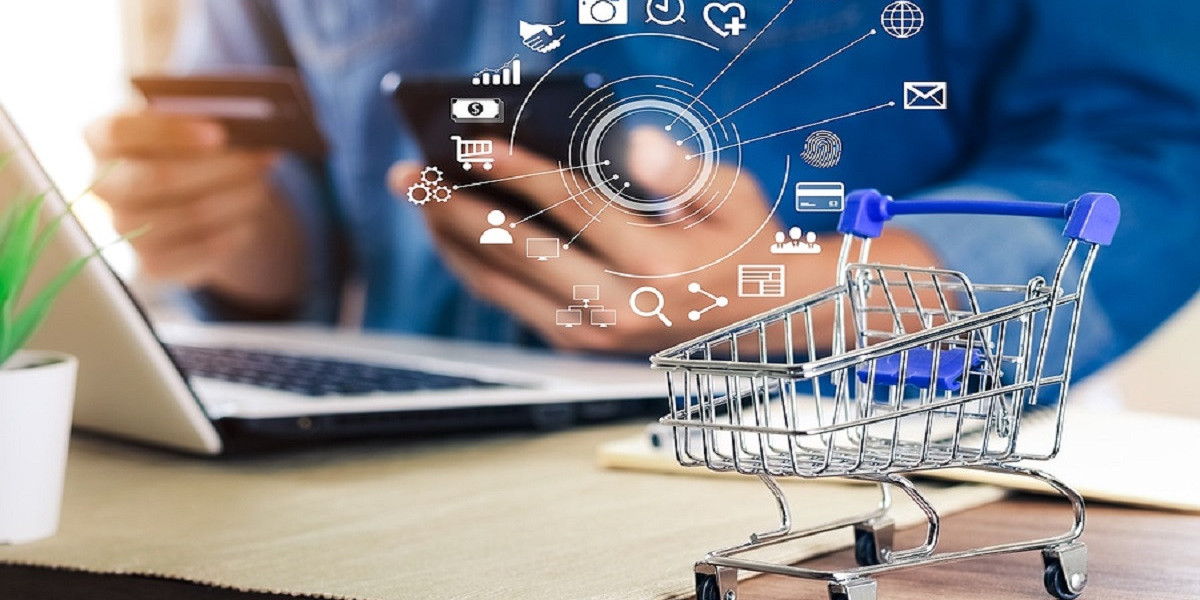
Technology is rapidly reshaping how people access everyday products, and automated retail is one of the fastest-growing examples of this transformation. Traditional vending machines are evolving into intelligent systems powered by software, sensors, connectivity, and data analytics. These smart machines are no longer limited to snacks and drinks—they are becoming dynamic retail platforms capable of adapting to different environments and user needs.
The Evolution of Vending Technology
Early vending machines were simple mechanical devices with limited functionality. Today’s systems integrate touch screens, IoT sensors, cloud connectivity, and cashless payment options. These advancements allow operators to monitor inventory in real time, analyze purchasing behavior, and remotely manage machines across multiple locations.
Modern vending platforms are designed with flexibility in mind. Businesses can configure machines to sell electronics, health products, meals, or even digital services. This shift from static hardware to software-driven systems has opened new possibilities for customization and scalability in automated retail.
Software-Driven Customization in Vending Systems
One of the biggest advancements in automated retail is the rise of software-led customization. Businesses no longer rely on one-size-fits-all machines. Instead, they deploy custom vending solutions tailored to their specific use cases, branding, and customer expectations.
These solutions allow operators to control pricing, manage promotions, integrate loyalty programs, and personalize the user interface. Advanced software also enables real-time diagnostics, predictive maintenance, and usage analytics. By leveraging data, businesses can optimize product selection and ensure machines are always stocked with items that sell best in each location.
IoT and Cloud Integration
The Internet of Things (IoT) plays a crucial role in modern vending systems. Sensors inside machines track temperature, stock levels, power usage, and machine health. This data is transmitted to cloud platforms, where operators can monitor performance and receive alerts for restocking or maintenance.
Cloud-based dashboards provide centralized control, making it easier to manage large vending networks. Operators can deploy updates remotely, adjust configurations instantly, and scale operations without physical intervention. This level of connectivity reduces downtime, lowers operational costs, and improves overall reliability.
User Experience and Interface Design
User experience is a key factor in the success of modern vending systems. Touchscreen interfaces, intuitive navigation, and fast transactions make machines more appealing to users. Software-driven interfaces can also support multiple languages, accessibility features, and personalized recommendations.
Interactive screens allow operators to display advertisements, promotions, or educational content. In gyms, for example, vending machines can highlight product benefits or suggest items based on workout goals. A well-designed interface not only improves usability but also increases engagement and sales.
Security and Payment Technologies
As vending systems become more connected, security becomes a critical concern. Modern machines support secure payment methods such as NFC, mobile wallets, QR codes, and card payments. Encryption and secure authentication protocols protect both user data and transaction integrity.
On the software side, access controls and secure cloud infrastructure ensure that only authorized personnel can modify machine settings or access operational data. Regular updates and monitoring help prevent vulnerabilities and ensure compliance with digital payment standards.
Smart Vending in Fitness and Wellness Spaces
Fitness centers and wellness facilities are increasingly adopting smart vending technology to meet the needs of health-conscious users. Unlike traditional snack machines, vending machines for gym environments focus on protein bars, supplements, hydration products, and healthy snacks.
These machines often feature nutritional information displays, contactless payments, and inventory tracking optimized for high-traffic fitness spaces. By integrating software-driven vending systems, gym owners can offer convenient access to health products while generating additional revenue without requiring extra staff or counter space.
The Future of Automated Retail
The future of vending technology lies in deeper integration with artificial intelligence and data analytics. AI-powered systems will be able to predict demand more accurately, optimize product placement, and dynamically adjust pricing based on usage patterns.
Emerging trends also include facial recognition for age verification, voice-assisted interfaces, and sustainability-focused designs that reduce energy consumption. As technology advances, vending machines will continue to evolve from simple dispensers into intelligent retail endpoints.
Conclusion
Smart vending technology is transforming automated retail by combining hardware innovation with powerful software systems. Through IoT connectivity, cloud management, and advanced user interfaces, modern vending machines are becoming more efficient, adaptable, and user-friendly.
By investing in flexible, data-driven vending platforms, businesses can meet diverse consumer needs across different environments. Whether in corporate spaces, public areas, or fitness centers, intelligent vending systems represent the future of convenient, automated retail powered by technology.