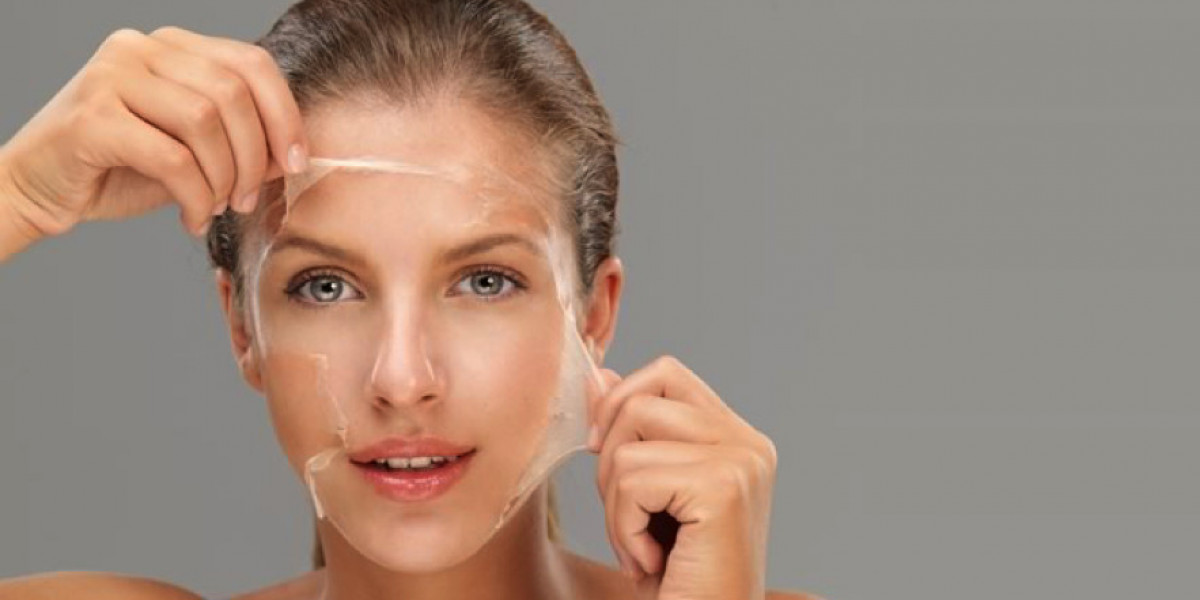
Choosing the right exfoliating acid is one of the most important decisions in modern skincare, especially for people considering Chemical Peel Treatment to improve acne, pigmentation, or aging concerns. Salicylic, glycolic, and lactic acid peels are among the most commonly used options in dermatology, but each works differently on the skin and delivers distinct results depending on skin type and concern.
Understanding Chemical Acid Peels:
Chemical acid peels work by breaking down the bonds between dead skin cells, allowing them to shed more easily and revealing fresher, healthier skin underneath. The type of acid used determines how deep the peel works and what skin concerns it targets.
General functions include:
- Removal of dead skin cell buildup
- Stimulation of skin cell turnover
- Improvement in skin texture and tone
- Reduction in clogged pores
- Enhancement of skin brightness
What Is Salicylic Acid Peel:
Salicylic acid is a beta hydroxy acid (BHA) known for its oil-soluble properties, making it especially effective for oily and acne-prone skin. It penetrates deep into pores to clear congestion and reduce breakouts.
Key benefits include:
- Deep pore cleansing and unclogging
- Reduction of blackheads and whiteheads
- Control of excess oil production
- Anti-inflammatory properties
- Effective acne management
Ideal candidates:
- Oily or acne-prone skin types
- Individuals with frequent breakouts
- People with congested pores
- Those with mild to moderate acne
- Skin with excess sebum production
What Is Glycolic Acid Peel:
Glycolic acid is an alpha hydroxy acid (AHA) derived from sugar cane. It has the smallest molecular size among AHAs, allowing it to penetrate deeply into the skin for powerful exfoliation and renewal.
Key benefits include:
- Brightening dull skin
- Reducing fine lines and wrinkles
- Improving uneven skin tone
- Enhancing collagen production
- Smoothing rough skin texture
Ideal candidates:
- Individuals with aging skin concerns
- People with sun damage or pigmentation
- Those with uneven skin texture
- Dry to normal skin types
- Individuals seeking anti-aging benefits
What Is Lactic Acid Peel:
Lactic acid is another alpha hydroxy acid, but it is gentler than glycolic acid. It is derived from milk and is known for its hydrating and exfoliating properties, making it suitable for sensitive skin.
Key benefits include:
- Gentle exfoliation of dead skin cells
- Improved skin hydration
- Brightening of mild pigmentation
- Smoother and softer skin texture
- Reduced sensitivity compared to stronger acids
Ideal candidates:
- Sensitive skin types
- Dry or dehydrated skin
- Beginners to acid peels
- Mild pigmentation concerns
- Individuals seeking gentle exfoliation
Salicylic vs Glycolic vs Lactic Acid: Key Differences:
Each acid works differently based on its chemical structure, penetration level, and skin target. Understanding these differences helps in selecting the right treatment.
Key distinctions include:
- Salicylic acid targets oil and acne
- Glycolic acid focuses on aging and pigmentation
- Lactic acid provides gentle hydration and brightening
- Penetration depth varies among all three
- Skin tolerance differs based on sensitivity
Which Acid Is Best for Acne-Prone Skin:
For acne-prone individuals, salicylic acid is generally considered the most effective due to its ability to penetrate oil and clear clogged pores.
Best choice breakdown:
- Salicylic acid: Best for active acne and oil control
- Glycolic acid: Helps post-acne marks
- Lactic acid: Gentle option for sensitive acne skin
- Combination treatments may be used
- Depends on acne severity
Which Acid Is Best for Anti-Aging:
Glycolic acid is the most commonly used option for anti-aging due to its strong exfoliation and collagen-boosting effects.
Anti-aging benefits include:
- Reduction of fine lines
- Improved skin elasticity
- Enhanced skin brightness
- Smoother skin texture
- Long-term rejuvenation effects
Which Acid Is Best for Sensitive Skin:
Lactic acid is the safest choice for sensitive skin because it exfoliates gently while also hydrating the skin barrier.
Benefits for sensitive skin include:
- Minimal irritation risk
- Hydration boost during exfoliation
- Gentle removal of dead skin cells
- Improved skin comfort
- Suitable for beginners
Depth of Penetration Differences:
The effectiveness of each peel also depends on how deeply it penetrates the skin layers. This determines both results and recovery time.
Penetration comparison:
- Salicylic acid: deep into pores
- Glycolic acid: surface to medium depth
- Lactic acid: surface-level exfoliation
- Deeper penetration = stronger results
- Shallower penetration = gentler effects
Side Effects and Considerations:
While all three acids are generally safe when used correctly, each comes with potential side effects depending on strength and skin type.
Possible side effects include:
- Temporary redness or irritation
- Mild peeling or flaking
- Increased sun sensitivity
- Dryness or tightness
- Rare pigmentation changes
How Professionals Choose the Right Peel:
Dermatologists carefully evaluate skin type and concerns before selecting the appropriate acid peel for treatment.
Professional considerations include:
- Skin type and sensitivity level
- Primary skin concern (acne, aging, pigmentation)
- Desired treatment depth
- Patient history and reactions
- Overall skincare goals
This ensures safe and effective Chemical Peel Treatment results.
Can These Peels Be Combined:
In some cases, dermatologists may combine different acids or alternate them across sessions to achieve better overall results.
Combination strategies include:
- Salicylic + glycolic for acne and marks
- Glycolic + lactic for glow and hydration
- Rotational peel schedules
- Customized multi-acid formulations
- Layered treatment approaches
Final Thoughts:
Salicylic, glycolic, and lactic acid peels each serve unique roles in skincare, from treating acne and pigmentation to improving hydration and anti-aging concerns. Understanding their differences helps in choosing the right option based on individual skin needs. For anyone considering Chemical Peel Treatment, professional guidance ensures the correct acid selection, leading to safer procedures, better results, and healthier, more radiant skin over time.