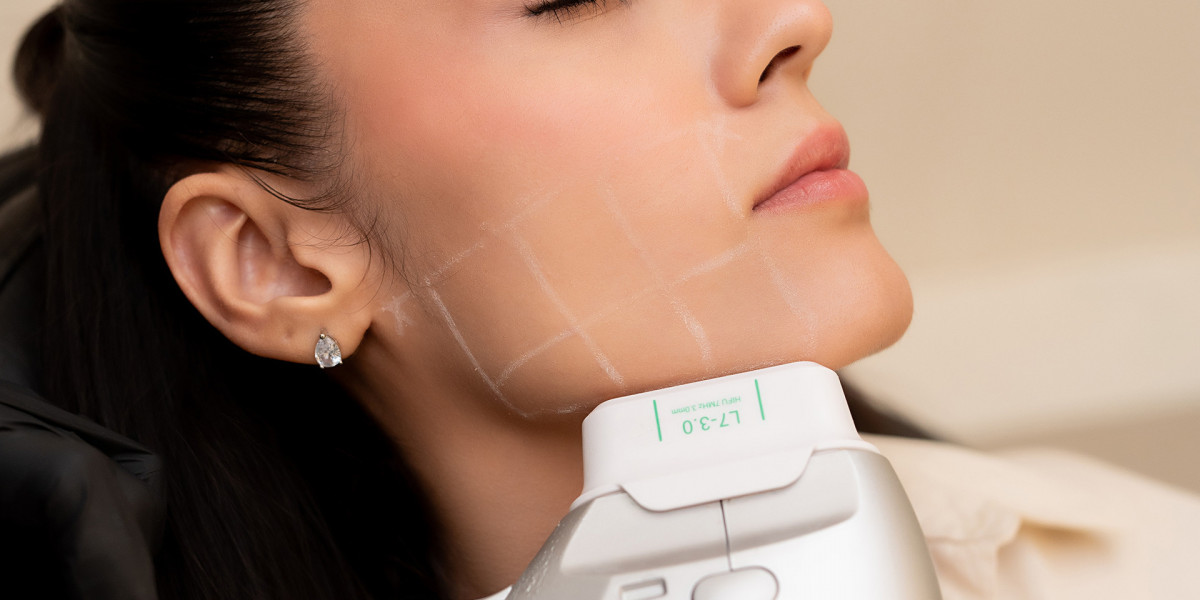
Non-surgical aesthetic treatments have become increasingly popular because they offer visible results without the risks of surgery or long recovery periods. One of the most common concerns people have before trying ultrasound-based skin tightening is pain level and comfort during the procedure. In many modern clinics offering HIFU Treatment Riyadh, patients often ask whether the treatment is painful and what sensations they should realistically expect during and after the session.
What Is HIFU and How It Feels:
HIFU, or High-Intensity Focused Ultrasound, is a non-invasive skin tightening procedure that uses ultrasound energy to target deep layers of the skin. It stimulates collagen production by delivering controlled heat to specific points beneath the surface. Unlike surgical procedures, it does not involve incisions, needles, or anesthesia, which significantly reduces overall discomfort.
During the treatment, patients may experience different sensations depending on their pain tolerance and the area being treated.
Common sensations include:
- Mild tingling or prickling feeling
- Warm heat deep under the skin
- Slight pressure in targeted areas
- Occasional short bursts of discomfort
- Sensitivity in bony areas like jawline or forehead
Overall, the sensation is temporary and usually well tolerated by most patients.
Is HIFU Painful for Everyone:
HIFU is not equally painful for everyone, as pain perception varies from person to person. Some patients describe it as mildly uncomfortable, while others feel only slight tingling. The level of discomfort depends on several factors including treatment area, device settings, and individual sensitivity.
Factors influencing pain levels include:
- Individual pain tolerance
- Depth of ultrasound energy used
- Area of the face or body being treated
- Skin thickness and sensitivity
- Experience of the practitioner
Additional insights:
- Cheek and jawline areas may feel more sensitive
- Neck area is usually better tolerated
- Forehead may cause mild discomfort due to bone proximity
- Sessions become more tolerable as skin adjusts
- Most discomfort is short-lived during pulses
In clinics offering HIFU Treatment Riyadh, practitioners often adjust settings to ensure patient comfort while maintaining effectiveness.
What Patients Actually Feel During Treatment:
Most patients report that HIFU feels unusual rather than intensely painful. The sensation occurs when ultrasound energy penetrates deep layers of the skin and reaches targeted tissue structures. The feeling comes in short bursts rather than continuous pain.
Typical patient experiences include:
- Sudden warm pulses under the skin
- Mild discomfort during energy delivery
- Tingling sensation that comes and goes
- Slight soreness after certain pulses
- Feeling of deep tissue activity
Many patients describe it as tolerable and manageable, especially when they understand that the sensation indicates collagen stimulation is occurring.
Pain Levels by Treatment Area:
Pain during HIFU can vary depending on which part of the face or body is being treated. Areas closer to bone or with thinner skin tend to feel more sensitive, while fleshy areas are generally more comfortable.
Pain comparison by area:
- Jawline: Moderate sensitivity due to bone proximity
- Cheeks: Mild to moderate discomfort
- Forehead: Slight tingling or pressure sensation
- Neck: Usually mild and well tolerated
- Under chin: Mild to moderate depending on fat layer
Key observations:
- Pain is temporary and occurs only during energy pulses
- Sensitivity decreases as the session progresses
- Practitioners adjust intensity based on comfort level
- Breaks can be taken during treatment if needed
- Cooling or numbing gel may be used in some cases
How Practitioners Reduce Discomfort:
Modern HIFU devices and techniques are designed to minimize discomfort while maintaining effectiveness. Skilled practitioners play a major role in ensuring patient comfort throughout the session.
Common methods used include:
- Adjusting energy intensity based on sensitivity
- Using cooling gels before and during treatment
- Applying numbing cream in sensitive cases
- Taking short breaks during the procedure
- Customizing treatment depth per area
Additional comfort strategies:
- Pre-treatment consultation to set expectations
- Gradual increase of energy levels
- Communication during the procedure
- Use of advanced pain-reduction technology
- Experienced handling of device placement
These techniques make the treatment significantly more tolerable for most patients.
Pain After HIFU Treatment:
While HIFU is generally well tolerated during the procedure, some patients may experience mild soreness or sensitivity afterward. This is a normal response as the skin begins its collagen regeneration process.
Post-treatment sensations may include:
- Mild tenderness in treated areas
- Slight swelling or redness
- Tight feeling in the skin
- Temporary sensitivity when touched
- Warm sensation for a few hours
Important notes:
- Discomfort usually resolves within 24–48 hours
- No severe pain or long-term side effects expected
- Normal daily activities can be resumed immediately
- Pain medication is rarely required
- Skin gradually feels firmer over time
These temporary effects are part of the natural healing and tightening process.
How Pain Compares to Other Treatments:
When compared to other cosmetic procedures, HIFU is considered moderately comfortable and far less invasive than surgical options. It does not involve incisions or injections, which significantly reduces pain and recovery concerns.
Comparison overview:
- HIFU: Mild to moderate discomfort during treatment
- Botox: Minimal discomfort from small injections
- Dermal fillers: Slight injection pain
- Laser resurfacing: Moderate burning sensation
- Surgical facelift: High pain with recovery period
Advantages of HIFU:
- No anesthesia required in most cases
- No post-surgical pain or recovery
- Short-lived discomfort only during procedure
- No lasting pain after treatment
- Minimal interruption to daily life
This makes it a preferred option for individuals who want results without significant pain.
Patient Reviews on Pain Experience:
Patient feedback consistently shows that HIFU is more tolerable than expected. Many individuals who were initially worried about pain report that the discomfort was manageable and short-lived.
Common patient feedback includes:
- “Uncomfortable but completely tolerable”
- “Felt like quick heat pulses under skin”
- “Not as painful as I expected”
- “Jawline was the most sensitive area”
- “Worth the mild discomfort for results”
Additional observations:
- Anxiety before treatment is often worse than actual pain
- Pain decreases as patient becomes accustomed
- Results motivation helps tolerate discomfort
- Experienced practitioners improve comfort level
- Overall satisfaction remains high
Who Might Feel More Discomfort:
Certain individuals may experience slightly higher sensitivity during HIFU treatment. Understanding these factors helps set realistic expectations before the procedure.
More sensitive groups include:
- Individuals with low pain tolerance
- Patients with very thin skin
- First-time aesthetic treatment users
- Areas with minimal fat coverage
- Highly sensitive facial regions
However, even in these cases:
- Discomfort remains temporary
- Treatment can be adjusted for comfort
- Breaks can be taken as needed
- Pain levels remain manageable
- Results are not affected by sensitivity
Final Thoughts:
HIFU is generally considered a tolerable and minimally painful procedure, especially when compared to surgical or more invasive cosmetic treatments. Most patients experience only mild to moderate discomfort during short energy pulses, followed by little to no pain afterward. The sensation is temporary and often described as manageable, with many patients agreeing that the results outweigh the discomfort. In modern aesthetic clinics, including those offering HIFU Treatment Riyadh, practitioners use advanced techniques to ensure patient comfort while maintaining effective results. Overall, HIFU remains a popular choice for those seeking non-surgical skin tightening with minimal pain and downtime.