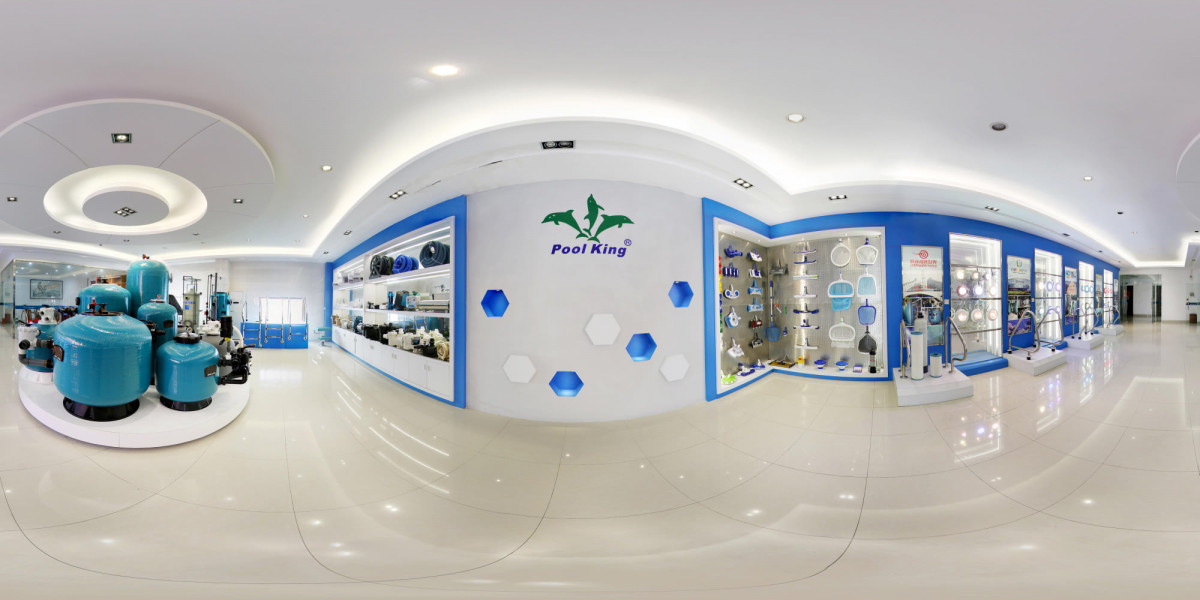
From luxury hotels and resorts to public swimming complexes and industrial water facilities, modern pool systems must deliver high performance, energy efficiency, and long-term reliability to meet growing global expectations.
A major factor shaping this industry is the rising importance of streamlined procurement and standardized system integration. Instead of sourcing individual components from multiple suppliers, businesses are increasingly adopting centralized purchasing strategies. This has led to strong demand for wholesale pool equipment, enabling contractors and facility operators to maintain consistent quality across large-scale installations while reducing costs and simplifying maintenance operations.
Modern swimming pool systems have evolved far beyond traditional filtration setups. Today’s solutions integrate advanced automation, smart monitoring, and precision-engineered components to ensure optimal performance. High-efficiency sand filters, cartridge filtration systems, and multi-layer purification units work together to maintain crystal-clear water quality. When combined with variable-speed pumps, these systems allow operators to adjust water circulation based on real-time demand, significantly improving energy efficiency and reducing operational expenses.
Manufacturing innovation has played a critical role in elevating the quality and reliability of pool equipment. Modern production facilities now rely on robotic automation, CNC machining, laser cutting, and digital quality control systems to ensure precise and consistent manufacturing standards. These technologies reduce production errors, enhance durability, and ensure every component meets strict international performance requirements. Each product undergoes rigorous testing, including pressure resistance and endurance simulations, before being approved for global distribution.
Energy efficiency is now a central focus in the design of modern aquatic systems. Variable-speed pump technology, intelligent controllers, and optimized filtration cycles allow operators to reduce electricity consumption while maintaining excellent water quality. These systems automatically adjust performance according to usage patterns, ensuring that energy is only used when necessary. As a result, facilities benefit from lower operational costs and improved system longevity.
Sustainability is also reshaping the global pool equipment industry. Manufacturers are increasingly adopting eco-friendly materials, recyclable components, and water-saving technologies to reduce environmental impact. These innovations support global efforts to conserve natural resources and comply with stricter environmental regulations. As sustainability becomes a top priority worldwide, environmentally responsible pool systems are becoming the standard for new developments.
Customization is another key trend driving industry growth. Every aquatic facility has unique operational requirements based on size, design, and usage intensity. Manufacturers now offer flexible system configurations that can be tailored to meet specific project needs, ensuring maximum efficiency and performance. This adaptability is especially valuable for large commercial installations, where precision and scalability are essential.
In conclusion, the swimming pool equipment industry is entering a new era defined by innovation, efficiency, and sustainability. Advanced manufacturing technologies, intelligent system design, and reliable global supply chains are transforming how aquatic facilities are built and operated. As demand continues to grow, businesses that invest in high-quality, energy-efficient, and scalable solutions will remain at the forefront of this rapidly evolving global market.