When investing in car protection film, many car owners wonder whether it will maintain its clear, glossy finish or eventually develop a yellow tint. The concern is valid because no one wants their vehicle’s appearance compromised after installing مخفي العازل الحراري or any protective layer. Modern automotive protection solutions are designed to enhance durability, resist scratches, and preserve the original paint, but understanding how these films age is important before making a decision. The good news is that technological improvements have significantly reduced the risk of discoloration, allowing drivers to enjoy long-term protection without sacrificing aesthetics.
understanding what car protection film is
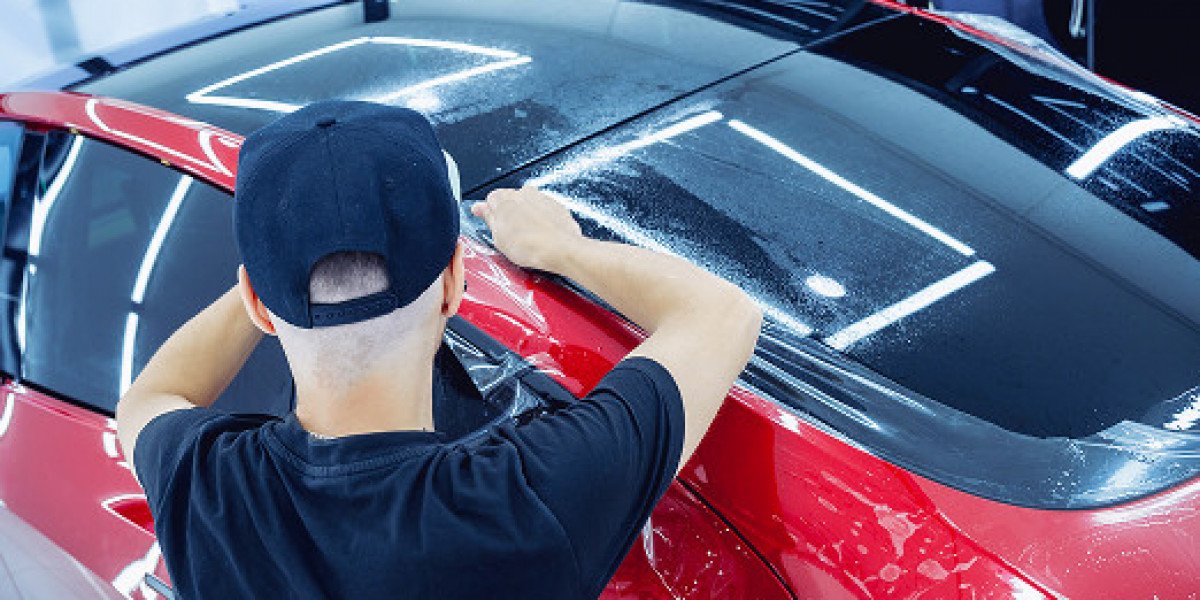
car protection film is a transparent thermoplastic urethane layer applied to a vehicle’s painted surfaces to protect against scratches, stone chips, UV rays, and environmental contaminants. It is commonly applied to high-impact areas such as the hood, bumpers, mirrors, and door edges. Some drivers also combine paint protection with مخفي العازل الحراري to enhance comfort by reducing heat and UV exposure inside the vehicle.
Originally developed for military purposes to protect helicopter blades, automotive films have evolved to become thinner, stronger, and more visually appealing. Today’s films are designed with advanced coatings that resist discoloration, maintain clarity, and even self-heal minor scratches when exposed to heat.
why yellowing happens in older films
Early versions of paint protection materials were more prone to yellowing due to lower-quality adhesives and weaker UV resistance. Over time, exposure to sunlight, pollution, and oxidation could cause a visible yellow tint. This problem was especially common in cheaper materials or poorly installed layers.
Several factors contributed to discoloration:
uv radiation exposure
Ultraviolet rays are one of the main reasons films may change color. Constant sun exposure can break down chemical bonds in low-quality materials, leading to fading or yellowing. Modern car protection film products are now manufactured with UV inhibitors that help block harmful rays and preserve clarity.
environmental contaminants
Pollution, bird droppings, tree sap, and road chemicals can stain the surface if left untreated for long periods. When protective films are not maintained properly, contaminants may cause discoloration that appears as yellowing.
poor installation techniques
Improper installation can trap dust, moisture, or air bubbles beneath the film, affecting transparency over time. Skilled installation ensures the film adheres evenly and maintains its original appearance for years.
low-quality materials
Budget products often lack protective top coatings, making them more susceptible to oxidation and color changes. High-quality films include protective layers that prevent chemical reactions responsible for yellowing.
Do modern films still turn yellow?
With advancements in technology, modern films are far more resistant to discoloration than earlier versions. Premium materials are engineered with non-yellowing adhesives and protective coatings that keep the film clear for many years. High-performance options are specifically designed to maintain transparency even in hot climates where sunlight exposure is intense.
Vehicles equipped with مخفي العازل الحراري and quality protective coatings typically experience minimal color changes, even after prolonged exposure to harsh weather conditions. Manufacturers now test their products extensively to ensure durability and color stability.
In most cases, noticeable yellowing occurs only when inferior materials are used or maintenance is neglected. Choosing high-grade solutions significantly reduces this risk.
How uv-resistant technology helps maintain clarity
Modern films incorporate UV blockers that prevent sunlight from degrading the material. These protective elements function similarly to sunscreen for your car’s surface, reflecting harmful rays before they can cause damage.
UV-resistant coatings offer several benefits:
- maintain transparency and gloss
- protect original paint color
- prevent premature aging of the film
- reduce fading caused by sunlight
- improve long-term appearance
Drivers who combine paint protection with car protection film and interior heat-reduction layers often achieve better overall vehicle preservation.
Difference between yellowing and staining
Many people confuse yellowing with staining, but they are not always the same issue. Yellowing typically results from material breakdown due to UV exposure or oxidation, while staining usually occurs when contaminants sit on the surface for too long.
For example, dirt, oil, or road tar can create temporary discoloration that looks similar to yellowing. Proper cleaning often restores the film’s original clarity. However, permanent yellowing generally indicates material degradation, which is more likely in older or low-quality films.
Using مخفي العازل الحراري alongside high-quality paint protection can help reduce environmental damage by minimizing heat buildup that accelerates wear.
Factors that influence how long film stays clear
Several variables affect how long protective film maintains its transparency. Understanding these factors helps car owners maximize the lifespan of their investment.
climate conditions
Hot climates with strong sun exposure can increase wear on automotive surfaces. Vehicles parked outdoors for extended periods may experience faster aging of protective materials compared to those kept in shaded or covered spaces.
maintenance routine
Regular washing prevents contaminants from bonding to the film surface. Gentle cleaning methods preserve the protective coating and prevent scratches that may trap dirt.
driving environment
Frequent highway driving exposes vehicles to debris, insects, and harsh weather conditions. Protective films help reduce damage, but proper care is still essential.
quality of film
Premium films include advanced coatings that resist discoloration and maintain gloss. Investing in high-quality products ensures better performance and longer-lasting results.
Combining car protection film with protective heat-control solutions provides additional durability and comfort benefits.
How to prevent yellowing
Preventive care plays a major role in preserving the appearance of protective coatings. Simple maintenance habits can significantly extend the clarity and effectiveness of the film.
wash regularly
Keeping the vehicle clean prevents contaminants from embedding into the film. Gentle washing with appropriate cleaning solutions maintains transparency and gloss.
avoid harsh chemicals
Strong cleaning agents may damage protective coatings and reduce resistance to discoloration. Mild automotive shampoos are recommended.
park in shaded areas
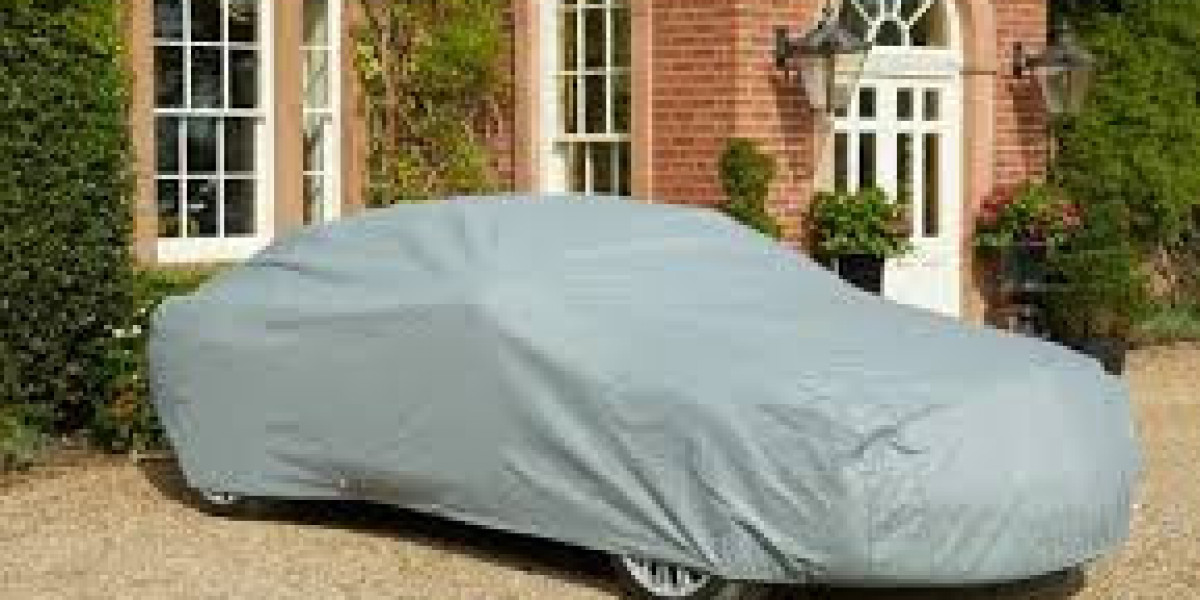
Whenever possible, parking in covered or shaded locations reduces UV exposure and slows material aging.
apply protective sealants
Some films can be enhanced with sealants designed to improve durability and maintain shine. These products create an additional barrier against environmental damage.
inspect periodically
Regular inspection helps detect early signs of wear or staining. Addressing minor issues quickly prevents long-term damage.
Vehicles protected with مخفي العازل الحراري often benefit from reduced interior heat, which indirectly helps maintain external coatings as well.
Myths about film discoloration
Many misconceptions surround protective films, especially regarding their longevity and performance.
myth 1: all films turn yellow quickly
Modern materials are engineered to resist discoloration. High-quality products can remain clear for many years when properly maintained.
myth 2: yellowing means the paint is damaged
Discoloration usually affects only the film, not the paint underneath. In many cases, removing the film reveals the original paint in excellent condition.
myth 3: thicker film always prevents yellowing
Thickness alone does not determine resistance to discoloration. Material quality and UV protection technology are more important factors.
myth 4: maintenance is not necessary
Even the best protective materials require proper care to maintain performance and appearance.
Signs your film is aging
While modern films are highly durable, they may show subtle signs of wear after several years.
Common indicators include:
- reduced gloss
- minor discoloration
- small surface scratches
- edge lifting
- decreased water repellency
Recognizing these signs early helps maintain the vehicle’s overall appearance.
Benefits beyond appearance
Protective films offer advantages that go beyond visual appeal. They help preserve vehicle value by maintaining paint quality and reducing the need for repainting.
Key benefits include:
- protection against stone chips
- resistance to minor scratches
- reduced paint fading
- easier cleaning
- improved resale value
Combining exterior protection with interior heat control solutions enhances comfort and durability.
Wrapping up
Concerns about yellowing are understandable, but modern protective technologies have significantly minimized this issue. High-quality films are designed to resist UV damage, oxidation, and staining, ensuring long-lasting clarity. Choosing reliable materials and maintaining them properly allows drivers to enjoy both protection and aesthetics for years.
When properly installed and cared for, car protection film remains clear and effective, helping preserve the original beauty of the vehicle. Pairing exterior protection with مخفي العازل الحراري provides additional advantages, including improved comfort and reduced environmental stress on automotive surfaces.