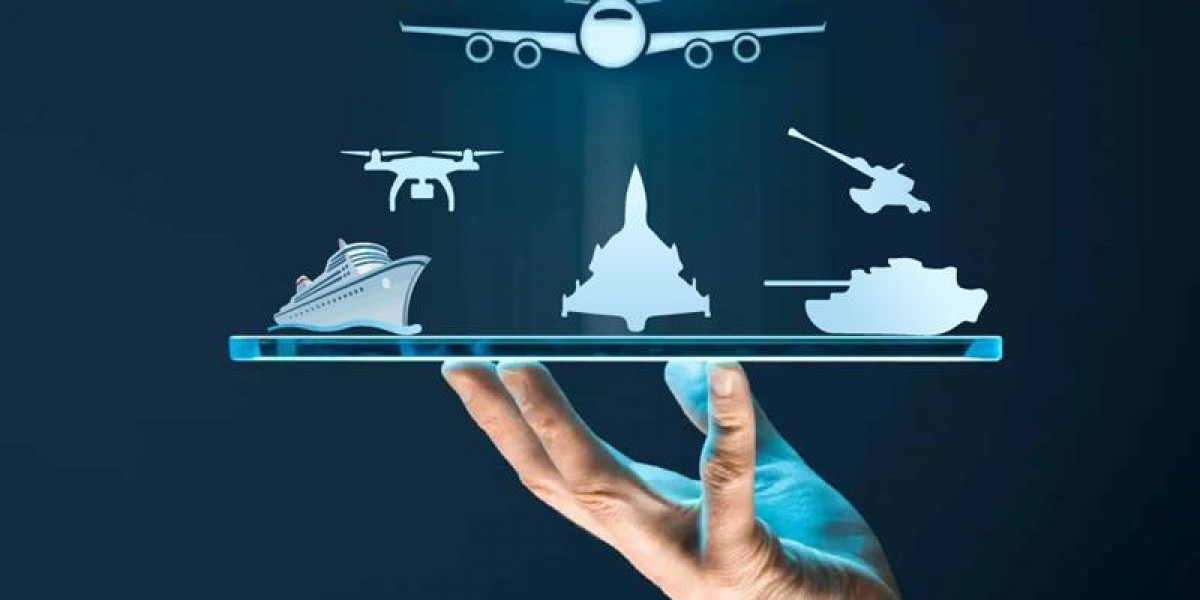
As per Market Research Future analysis, the Simulators Market was estimated at 23.61 USD Billion in 2024. The Simulators industry is projected to grow from 24.54 USD Billion in 2025 to 36.04 USD Billion by 2035, exhibiting a compound annual growth rate (CAGR) of 3.92% during the forecast period 2025 - 2035.
The maritime sector is increasingly adopting advanced simulation technologies to improve navigation safety, crew training, and operational efficiency. With global shipping becoming more complex due to congested sea routes and stricter safety regulations, simulation systems are playing a critical role in preparing ship crews for real-world challenges. One of the most impactful innovations in this segment is marine navigation simulation systems, which allow cadets and officers to experience realistic sea conditions, docking procedures, and emergency scenarios in a controlled environment.
These simulators replicate weather conditions such as storms, fog, and high waves, helping trainees develop critical decision-making skills under pressure. Shipping companies are using simulation-based training to reduce maritime accidents, improve fuel efficiency, and ensure compliance with international safety standards. Port authorities are also leveraging simulation tools to optimize docking operations and manage vessel traffic more efficiently.
The integration of AI and advanced visualization technologies has further enhanced maritime simulators. Modern systems can generate dynamic sea environments and simulate mechanical failures, enabling crews to practice emergency response procedures. Additionally, virtual reality-based bridge simulators are providing immersive training experiences that closely mimic real ship control rooms.
As global trade continues to expand, the demand for skilled maritime professionals is increasing, further driving adoption of simulation training. Cloud-based maritime simulation platforms are also gaining popularity, enabling remote training for global shipping crews and reducing training logistics costs.
GLOBAL SUPPLY CHAIN & MARKET DISRUPTION ALERT
Escalating geopolitical tensions in the Middle East, particularly around the Strait of Hormuz and the Red Sea, are creating significant disruptions across global energy, chemicals, and logistics markets. Critical shipping corridors are under pressure, with major oil, LNG, petrochemical, and raw material flows at risk, triggering supply chain delays, freight cost surges, insurance withdrawals, and heightened price volatility. These disruptions are increasing operational risks and cost uncertainties for industries dependent on global trade routes and energy-linked feedstocks.
Access our real-time disruption analysis covering supply chain risks, price outlook scenarios, logistics impacts, and alternative sourcing strategies.
? Request a Sample Report to understand the potential impact on your industry and get actionable insights to support procurement, risk management, and supply chain planning. Contact us today to receive the latest market intelligence and mitigation strategies.
FAQs
Q1. Why are maritime simulators important?
A1. They improve navigation safety, reduce accidents, and train crews for real sea conditions.
Q2. What scenarios can marine simulators replicate?
A2. They simulate storms, docking, navigation hazards, and mechanical failures.
Q3. How do simulators support shipping efficiency?
A3. They optimize route planning, fuel usage, and crew readiness.