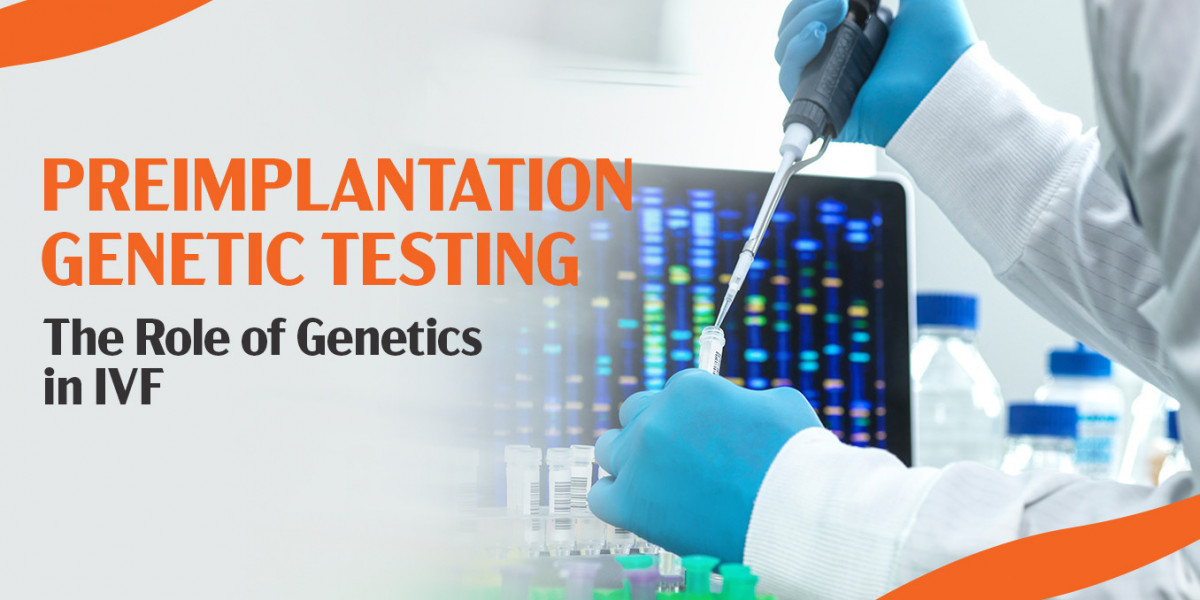
Genetic testing is a medical process that examines DNA to identify changes or mutations linked to inherited conditions. These tests analyze specific genes, chromosomes, or proteins to determine whether an individual carries genetic variations that may increase their risk of certain diseases. As healthcare continues to advance, genetic testing has become an essential tool in preventive medicine, offering deeper insights into a person’s overall health.
For individuals exploring Genetic Testing Albuquerque, this approach provides a proactive way to understand potential risks before symptoms appear. Instead of waiting for signs of illness, patients can gain valuable information early, allowing them to make informed decisions about their health and future care.
The Role of Genetics in Hereditary Conditions
Hereditary conditions are passed down through genes from one generation to the next. These may include certain cancers, heart conditions, neurological disorders, and rare inherited diseases. Even minor genetic mutations can influence how the body functions, making it important to understand genetic risk factors.
By identifying these inherited patterns, healthcare providers can better assess an individual’s likelihood of developing specific conditions. This knowledge allows families to stay informed about their health history and take appropriate steps to manage potential risks over time.
Early Detection and Preventive Healthcare
One of the most valuable aspects of genetic testing is early detection. Identifying genetic risks before symptoms develop enables healthcare providers to recommend preventive measures such as regular screenings, lifestyle adjustments, or early interventions.
Preventive healthcare based on genetic insights can significantly improve outcomes. Patients who are aware of their risks are more likely to engage in proactive care, which may reduce the severity or even prevent the onset of certain hereditary conditions.
Types of Genetic Tests Available
There are several types of genetic tests designed to meet different medical needs. Diagnostic testing helps confirm or rule out a suspected genetic condition, while predictive testing evaluates the likelihood of developing certain diseases in the future. Carrier testing is often used by individuals planning a family to determine the risk of passing on inherited disorders.
Additional testing options, such as prenatal and newborn screening, help detect conditions early in life. Each type of test serves a specific purpose, and selecting the right one depends on a person’s medical history and healthcare goals.
Who Should Consider Genetic Testing
Genetic testing can benefit a wide range of individuals. Those with a family history of hereditary conditions, unexplained health concerns, or plans for starting a family may find testing especially useful. It can also be valuable for individuals who simply want a deeper understanding of their health risks.
Consulting with a healthcare provider can help determine whether genetic testing is appropriate. A thorough review of personal and family history ensures that testing is relevant and provides meaningful results.
The Process of Genetic Testing
The process of genetic testing typically begins with a consultation. During this step, a healthcare provider or genetic counselor reviews the patient’s medical background and discusses the purpose of testing. This helps ensure that patients understand what the test can and cannot reveal.
The test itself is usually simple, involving a blood draw or saliva sample. In Genetic Testing Albuquerque, samples are analyzed in specialized laboratories, and results are shared with patients along with clear explanations to help them understand their implications.
Benefits and Limitations of Genetic Testing
Genetic testing offers many benefits, including early detection, personalized healthcare, and informed decision-making. It can provide clarity for individuals concerned about hereditary conditions and help guide preventive care strategies.
However, there are also limitations to consider. Not all conditions can be detected, and some results may require further interpretation. Despite these challenges, genetic testing remains a valuable tool for understanding health risks and planning for the future.
Conclusion
Genetic testing has become an important part of modern healthcare, particularly for identifying hereditary conditions early. By offering insights into genetic risks, it allows individuals to take a proactive approach to their health and well-being.
For those considering Genetic Testing Albuquerque, this process provides an opportunity to detect potential issues before they become serious. With the right guidance and a clear understanding of results, patients can make informed choices that support long-term health and improved quality of life.