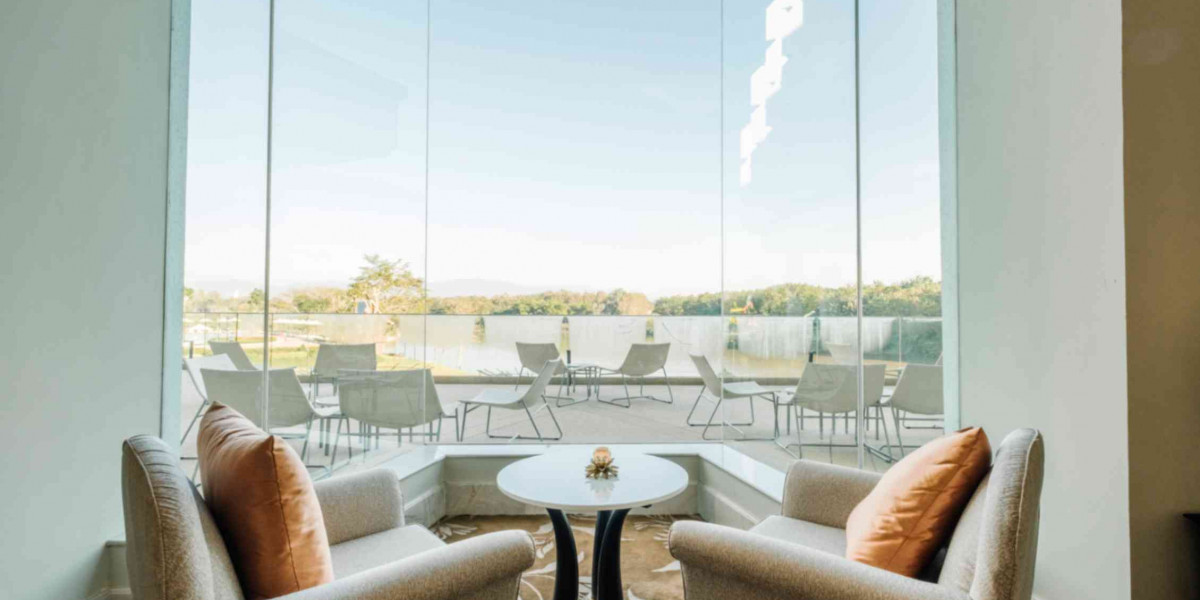
Keeping your home cool during hot weather can feel like a constant battle, especially when energy bills start rising. Many homeowners rely heavily on air conditioning, but that often leads to higher expenses. Fortunately, there are smart and practical ways to maintain a comfortable indoor temperature without overworking your AC. One of the most effective solutions includes using window tint for home, which helps reduce heat entering your living space while improving overall efficiency.
Understanding Why Your Home Gets Hot
Before finding solutions, it is important to understand what causes heat buildup inside your home. Sunlight entering through windows is one of the main contributors. Roofs, walls, and poor ventilation can also trap heat indoors.
Heat Gain Through Windows
Windows act like gateways for sunlight. While natural light is beneficial, excessive exposure increases indoor temperature quickly. Standard glass does little to block infrared heat, making rooms warmer during the day.
Poor Insulation
Homes with weak insulation allow outdoor heat to seep in easily. This forces your cooling system to work harder, leading to higher electricity consumption.
Lack of Air Circulation
Stagnant air traps heat. Without proper airflow, even a moderately warm room can feel uncomfortable.
Understanding these factors helps you apply the right cooling strategies effectively.
Smart Ways to Keep Your Home Cool
Reducing indoor heat does not always require expensive upgrades. Small adjustments can make a significant difference.
Optimize Window Coverings
Curtains, blinds, and shades are your first line of defense against heat.
Use Blackout Curtains
Blackout curtains are designed to block sunlight completely. They are especially useful during peak afternoon hours when the sun is strongest.
Install Reflective Blinds
Reflective or light-colored blinds bounce sunlight away instead of absorbing it. This helps maintain cooler indoor temperatures.
Improve Ventilation
Proper airflow is essential for keeping your home cool naturally.
Cross Ventilation
Open windows on opposite sides of your home to create a natural breeze. This allows hot air to escape and cooler air to enter.
Use Exhaust Fans
Kitchen and bathroom exhaust fans help remove warm air and humidity, making your home feel fresher.
Upgrade Your Insulation
Insulation is not just for winter. It plays a crucial role in summer as well.
Seal Gaps and Cracks
Small openings around doors and windows allow hot air to enter. Sealing them helps maintain a consistent indoor temperature.
Add Roof Insulation
A well-insulated roof prevents heat from penetrating your home, reducing the need for excessive cooling.
Reduce Heat from Appliances
Many household appliances generate heat, adding to indoor temperature.
Limit Daytime Usage
Avoid using ovens, dryers, and other heat-producing appliances during the hottest parts of the day. Instead, use them early in the morning or later in the evening.
Switch to Energy-Efficient Devices
Energy-efficient appliances produce less heat and consume less electricity, helping you stay cool and save money.
Use Fans Strategically
Fans are an affordable and effective way to enhance cooling.
Ceiling Fans
Set your ceiling fans to rotate counterclockwise during summer. This creates a wind-chill effect that makes the room feel cooler.
Portable Fans
Place portable fans near windows to push hot air बाहर and pull cooler air in.
Ice and Fan Trick
For an extra cooling effect, place a bowl of ice in front of a fan. The air blowing over the ice creates a refreshing breeze.
Manage Indoor Lighting
Lighting can also contribute to heat buildup.
Switch to LED Bulbs
LED bulbs generate less heat compared to traditional incandescent bulbs. They are also energy-efficient and long-lasting.
Turn Off Unnecessary Lights
During the day, rely on natural light as much as possible. Turning off unused lights reduces heat and energy consumption.
Landscape for Natural Cooling
Your outdoor environment plays a role in indoor temperature.
Plant Trees and Shrubs
Planting trees around your home provides natural shade and reduces direct sunlight exposure.
Use Outdoor Shades
Awnings, pergolas, and outdoor blinds can block sunlight before it reaches your windows.
Smart Thermostat Usage
A smart thermostat helps optimize your cooling system.
Set Higher Temperatures
Even increasing your thermostat by a few degrees can significantly reduce energy usage without sacrificing comfort.
Use Programmable Settings
Schedule your AC to run only when needed. This prevents unnecessary energy consumption.
Block Heat Before It Enters
Preventing heat from entering your home is more effective than trying to remove it later.
Seal Windows Properly
Ensure all windows are tightly sealed to avoid heat leakage.
Use Heat-Reflective Solutions
Applying specialized coatings or films can dramatically reduce heat penetration through glass.
Night Cooling Techniques
Take advantage of cooler nighttime temperatures.
Open Windows at Night
Allow fresh, cool air to circulate through your home during the night.
Close Windows in the Morning
Trap the cool air inside by closing windows and curtains before the day heats up.
Maintain Your Cooling System
Even if you are trying to reduce AC usage, maintaining your system is essential.
Clean Filters Regularly
Dirty filters restrict airflow, making your AC less efficient.
Service Your Unit
Regular maintenance ensures your cooling system operates at peak performance without consuming excess energy.
Combine Multiple Strategies for Best Results
No single solution can completely eliminate the need for air conditioning. However, combining multiple strategies can significantly reduce reliance on it.
Layered Cooling Approach
Use window coverings, ventilation, insulation, and shading together to create a cooler indoor environment.
Consistency is Key
Small habits, when practiced consistently, can lead to noticeable improvements in comfort and energy savings.
Final Thought
Keeping your home cool without increasing AC costs is all about smart planning and practical changes. By focusing on preventing heat entry, improving airflow, and optimizing your home environment, you can create a comfortable living space without high energy bills. Solutions like proper insulation, strategic ventilation, and modern options such as residential window film can make a significant difference in maintaining a cooler home while staying energy-efficient.