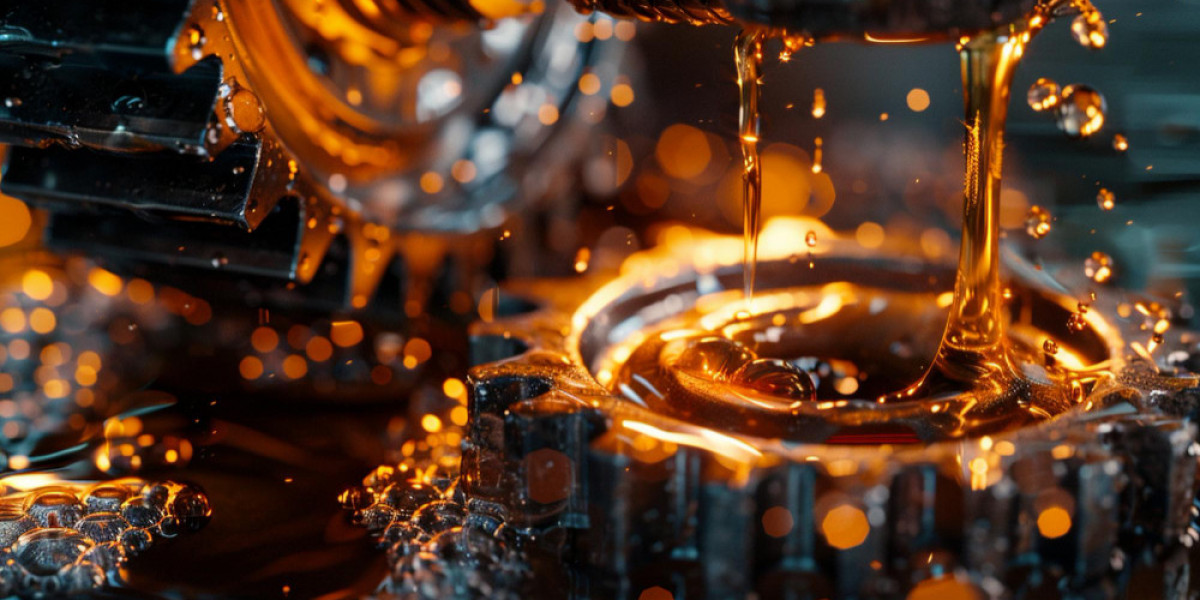
The construction industry in the UAE operates in some of the toughest environments in the world. From extreme heat to heavy dust and long operating hours, machinery is constantly pushed to its limits. Choosing the right lubrication strategy is not just a maintenance task, it is essential for performance, durability, and cost efficiency. Working with industrial lubricant distributors ensures access to high-quality solutions that can withstand these demanding conditions while keeping equipment running smoothly.
Understanding Harsh UAE Conditions
Extreme Heat and Its Impact
Temperatures in the UAE often exceed 45°C during peak summer months. Such extreme heat significantly affects lubrication performance. Oils can thin out quickly, losing their viscosity and reducing their ability to protect moving parts. This leads to increased friction, faster wear, and potential equipment failure.
High temperatures also accelerate oxidation, causing lubricants to degrade faster. Without proper lubrication, engine components, hydraulic systems, and gear assemblies are at constant risk.
Dust and Sand Contamination
Construction sites in the UAE are often exposed to fine sand and dust particles. These contaminants can easily enter machinery and mix with lubricants, forming abrasive compounds. This not only reduces efficiency but also causes internal damage to critical components.
Effective lubrication solutions must include strong contamination resistance and filtration compatibility to ensure equipment longevity.
Heavy Workloads and Continuous Operation
Construction equipment in the UAE is rarely idle. Machines such as excavators, cranes, and loaders operate for extended hours under heavy loads. This continuous stress requires lubricants that can maintain stability under pressure and prevent metal-to-metal contact.
Importance of Proper Lubrication
Reducing Wear and Tear
Lubricants create a protective film between moving parts, minimizing direct contact. In harsh environments, this film must remain stable despite heat and contamination. High-performance lubricants significantly reduce wear and extend the life of equipment.
Improving Efficiency
Well-lubricated machinery operates more efficiently. Reduced friction leads to smoother performance, lower energy consumption, and improved productivity. This is especially important for large-scale construction projects where downtime can be costly.
Preventing Breakdowns
Unexpected equipment failure can delay projects and increase operational costs. Proper lubrication helps prevent overheating, corrosion, and component failure, ensuring reliable operation even in extreme conditions.
Types of Lubrication Solutions for Construction Equipment
Engine Oils
Engine oils are critical for maintaining engine health. In UAE conditions, they must offer high thermal stability and resistance to oxidation. Advanced formulations help engines perform efficiently even under extreme heat.
High-quality automotive lubricants are designed to protect engines from wear, reduce deposits, and improve fuel efficiency, making them essential for construction machinery.
Hydraulic Fluids
Hydraulic systems power many construction machines. These systems require fluids that maintain consistent viscosity and resist breakdown under pressure. In hot climates, hydraulic fluids must also provide excellent cooling properties.
Gear Oils
Gear systems operate under heavy loads and require lubricants that can handle extreme pressure. Gear oils with strong film strength and anti-wear additives are essential for protecting these components.
Greases
Greases are used in areas where liquid lubricants cannot be retained. They provide long-lasting protection for bearings, joints, and other moving parts. In dusty environments, greases with strong adhesion properties are especially valuable.
Key Features to Look for in Lubricants
Thermal Stability
Lubricants must maintain their properties even at high temperatures. Thermal stability ensures consistent performance and reduces the risk of breakdown.
Oxidation Resistance
In hot climates, oxidation can degrade lubricants quickly. High-quality lubricants are formulated to resist oxidation, extending their lifespan and maintaining effectiveness.
Contamination Control
Lubricants should be able to resist contamination from dust and sand. This includes compatibility with filtration systems and the ability to suspend contaminants until they can be removed.
Load-Carrying Capacity
Construction equipment often operates under heavy loads. Lubricants must provide strong film strength to prevent wear and ensure smooth operation.
Best Practices for Lubrication Management
Regular Monitoring and Analysis
Routine oil analysis helps identify contamination, wear particles, and degradation. This allows for timely maintenance and prevents major failures.
Scheduled Maintenance
Following a strict lubrication schedule ensures that equipment always operates with optimal protection. This includes timely oil changes and grease application.
Proper Storage and Handling
Lubricants should be stored in clean, controlled environments to prevent contamination. Proper handling practices also ensure that their quality is maintained.
Training and Awareness
Operators and maintenance teams should be trained on the importance of lubrication. Understanding how to select and apply the right lubricant can significantly improve equipment performance.
Role of Advanced Lubrication Technologies
Synthetic Lubricants
Synthetic lubricants are designed to perform better than conventional oils in extreme conditions. They offer superior thermal stability, longer service life, and improved protection.
Working with reliable industrial lubricant distributors ensures access to advanced synthetic solutions that meet the demands of UAE construction sites.
Additive Technology
Modern lubricants include additives that enhance performance. These additives provide benefits such as anti-wear protection, corrosion resistance, and improved viscosity control.
Smart Monitoring Systems
Technology is transforming lubrication management. Sensors and monitoring systems can track lubricant condition in real time, allowing for predictive maintenance and reducing downtime.
Challenges in Lubrication for UAE Construction Equipment
Rapid Degradation
High temperatures and heavy workloads cause lubricants to degrade faster. This requires more frequent monitoring and replacement.
Contamination Risks
Dust and sand infiltration is a constant challenge. Without proper sealing and filtration, contamination can compromise lubrication effectiveness.
Cost Considerations
While high-quality lubricants may have a higher upfront cost, they provide long-term savings by reducing maintenance expenses and extending equipment life.
Choosing the Right Lubrication Partner
Selecting the right supplier is crucial for ensuring consistent quality and availability of lubricants. Trusted industrial lubricant distributors provide technical support, product recommendations, and reliable supply chains.
They also help businesses choose lubricants that match specific equipment requirements and operating conditions.
Benefits of High-Quality Lubrication Solutions
Extended Equipment Life
Using the right lubricants significantly reduces wear and extends the lifespan of machinery. This leads to better return on investment.
Reduced Downtime
Proper lubrication minimizes the risk of breakdowns, ensuring continuous operation and timely project completion.
Improved Performance
High-quality lubricants enhance machine efficiency, resulting in better productivity and lower energy consumption.
Environmental Benefits
Advanced lubricants reduce emissions and improve fuel efficiency. This contributes to more sustainable construction practices.
Integration with Maintenance Strategies
Predictive Maintenance
Lubrication plays a key role in predictive maintenance. Monitoring lubricant condition helps identify potential issues before they become critical.
Preventive Maintenance
Regular lubrication is a fundamental part of preventive maintenance. It ensures that equipment remains in optimal condition and reduces the likelihood of unexpected failures.
Collaboration with Experts
Working with experts in automotive lubricants helps ensure that the right products are used for each application. This collaboration enhances overall maintenance effectiveness.
Final Thought
Operating construction equipment in the UAE requires more than just robust machinery. It demands a well-planned lubrication strategy that can handle extreme heat, heavy loads, and constant exposure to dust. By investing in high-quality lubrication solutions and following best practices, businesses can significantly improve equipment performance, reduce costs, and extend operational life. The right approach to lubrication is not just about maintenance, it is a critical factor in achieving long-term success in the challenging conditions of the UAE construction industry.