The global shift toward sustainability has significantly reshaped how buildings are designed, constructed, and managed. One of the biggest drivers of this transformation is ESG reporting, which pushes organizations to evaluate their environmental, social, and governance performance more transparently. As businesses and investors become increasingly conscious of sustainability metrics, the demand for buildings that meet recognized green standards has grown rapidly. Among these standards, LEED-certified buildings stand out as a benchmark for sustainable construction and operations.
Understanding ESG and Its Growing Importance
What Is ESG?
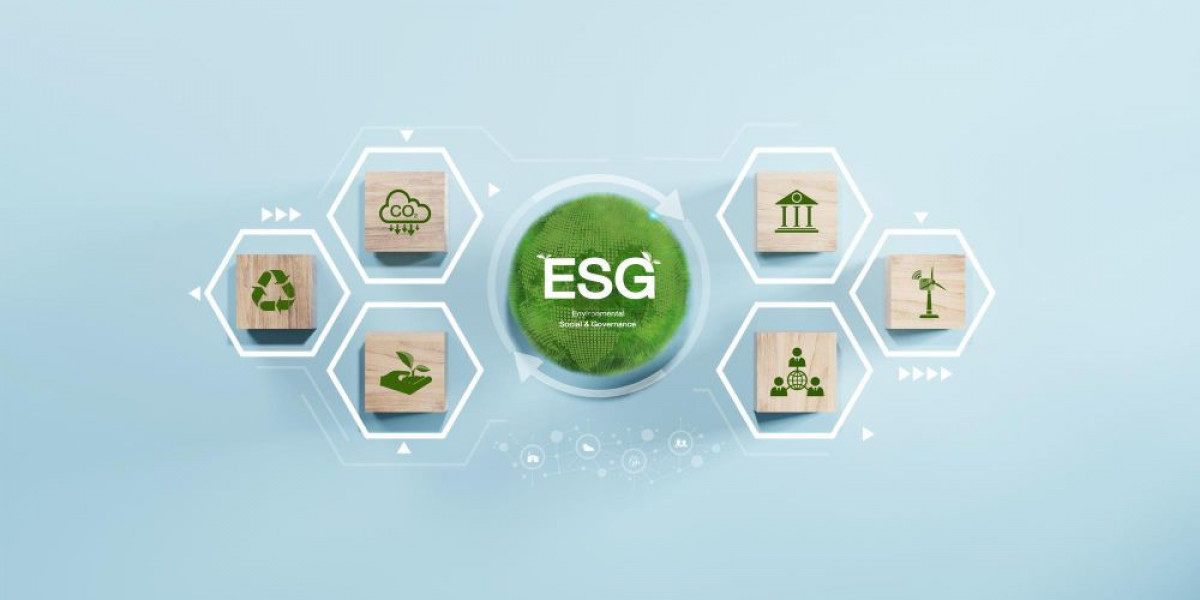
ESG refers to a set of criteria used to evaluate a company’s ethical impact and sustainability practices. It covers three main pillars:
- Environmental factors such as energy efficiency and carbon emissions
- Social factors including employee well-being and community impact
- Governance factors like corporate transparency and accountability
Organizations are now expected to align their operations with ESG principles, not only for regulatory compliance but also to meet stakeholder expectations.
Why ESG Matters for Real Estate
Real estate plays a crucial role in ESG performance because buildings are responsible for a large share of global energy use and emissions. Investors and tenants are increasingly prioritizing properties that demonstrate strong sustainability credentials. This shift has made ESG considerations central to property valuation and investment decisions.
The Role of LEED Certification in Sustainable Development
What Is LEED Certification?
LEED, which stands for Leadership in Energy and Environmental Design, is one of the most widely recognized green building certification systems in the world. It evaluates buildings based on factors such as:
- Energy efficiency
- Water conservation
- Indoor environmental quality
- Sustainable materials usage
Buildings that achieve LEED certification demonstrate a commitment to reducing environmental impact while enhancing occupant comfort.
Why LEED Certification Is Valuable
LEED-certified buildings offer several advantages:
- Lower operating costs through energy savings
- Improved indoor air quality and occupant health
- Higher asset value and marketability
- Alignment with global sustainability goals
These benefits make LEED certification highly attractive to developers, investors, and tenants alike.
How ESG Requirements Drive Demand for LEED-Certified Buildings
Increased Investor Pressure
Investors are placing greater emphasis on ESG performance when evaluating real estate assets. Properties that fail to meet sustainability standards may face reduced demand or lower valuations. LEED-certified buildings, on the other hand, are seen as lower-risk investments because they align with ESG objectives.
Institutional investors, in particular, are setting strict sustainability targets. This has led to a surge in demand for properties that already meet established green standards, rather than those that require costly upgrades.
Regulatory and Policy Influence
Governments around the world are introducing stricter regulations related to energy efficiency and carbon emissions. These policies often encourage or require sustainable building practices.
LEED certification helps developers comply with these regulations more easily. As a result, developers are increasingly pursuing LEED standards to future-proof their projects and avoid potential penalties.
Tenant Preferences and Corporate Responsibility
Corporate tenants are also driving demand for sustainable buildings. Many organizations have their own ESG commitments and prefer to lease spaces that support their sustainability goals.
LEED-certified buildings provide a tangible way for companies to demonstrate their environmental responsibility. This alignment enhances brand reputation and supports internal sustainability targets.
Risk Management and Long-Term Value
ESG requirements emphasize long-term resilience and risk management. Buildings that are energy-efficient and environmentally friendly are better equipped to handle future challenges such as rising energy costs and climate-related risks.
LEED-certified properties are designed with these considerations in mind. This makes them more attractive to investors who are focused on long-term value creation.
Financial Benefits of LEED-Certified Buildings
Operational Cost Savings
One of the most immediate benefits of LEED-certified buildings is reduced operational costs. Energy-efficient systems and sustainable design features lead to lower utility bills.
These savings can significantly enhance the profitability of a property over time. For investors, this translates into higher returns and improved financial performance.
Higher Rental and Occupancy Rates
Sustainable buildings often command higher rental rates due to their superior quality and lower operating costs. Tenants are willing to pay a premium for spaces that align with their values and reduce their environmental footprint.
In addition, LEED-certified buildings tend to have higher occupancy rates. This reduces vacancy risks and ensures steady income for property owners.
Access to Green Financing
Financial institutions are increasingly offering incentives for sustainable projects. These include:
- Lower interest rates for green loans
- Access to sustainability-linked bonds
- Tax benefits and subsidies
LEED certification can help developers qualify for these financial advantages, further boosting the appeal of sustainable buildings.
Challenges in Meeting ESG and LEED Standards
High Initial Costs
One of the main challenges associated with LEED certification is the higher upfront cost. Sustainable materials, advanced technologies, and certification processes can increase construction expenses.
However, these costs are often offset by long-term savings and increased property value.
Complexity of Certification
Achieving LEED certification requires careful planning and documentation. Developers must meet strict criteria and undergo a detailed evaluation process.
This complexity can be a barrier for some projects, especially smaller developments with limited resources.
Balancing Cost and Sustainability
Developers must strike a balance between cost efficiency and sustainability goals. While ESG requirements push for higher standards, financial constraints can limit the extent to which these standards are implemented.
Despite these challenges, the long-term benefits of LEED certification often outweigh the initial hurdles.
The Future of ESG and Sustainable Buildings
Growing Demand for Green Infrastructure
As ESG considerations continue to gain importance, the demand for sustainable buildings is expected to rise. LEED certification will likely remain a key benchmark for green construction.
Developers who prioritize sustainability will be better positioned to meet market demands and attract investment.
Integration of Technology
Technology will play a crucial role in advancing sustainable building practices. Smart systems, data analytics, and automation can enhance energy efficiency and improve overall building performance.
These innovations will further strengthen the link between ESG requirements and LEED-certified buildings.
Evolving Standards and Expectations
ESG standards are constantly evolving, with increasing emphasis on transparency and accountability. This will drive continuous improvement in building design and performance.
LEED certification is also evolving to address new challenges and incorporate emerging best practices. This ensures that it remains relevant in a rapidly changing landscape.
Final Thought
The influence of ESG requirements on the real estate sector is undeniable. As sustainability becomes a core priority for investors, tenants, and regulators, the demand for LEED-certified buildings continues to grow. These buildings not only meet environmental standards but also offer financial and operational advantages that align with modern business needs. Ultimately, the integration of ESG principles into real estate development is shaping a future where sustainability is not just an option but a necessity, and frameworks like ESG reporting play a vital role in guiding this transformation.