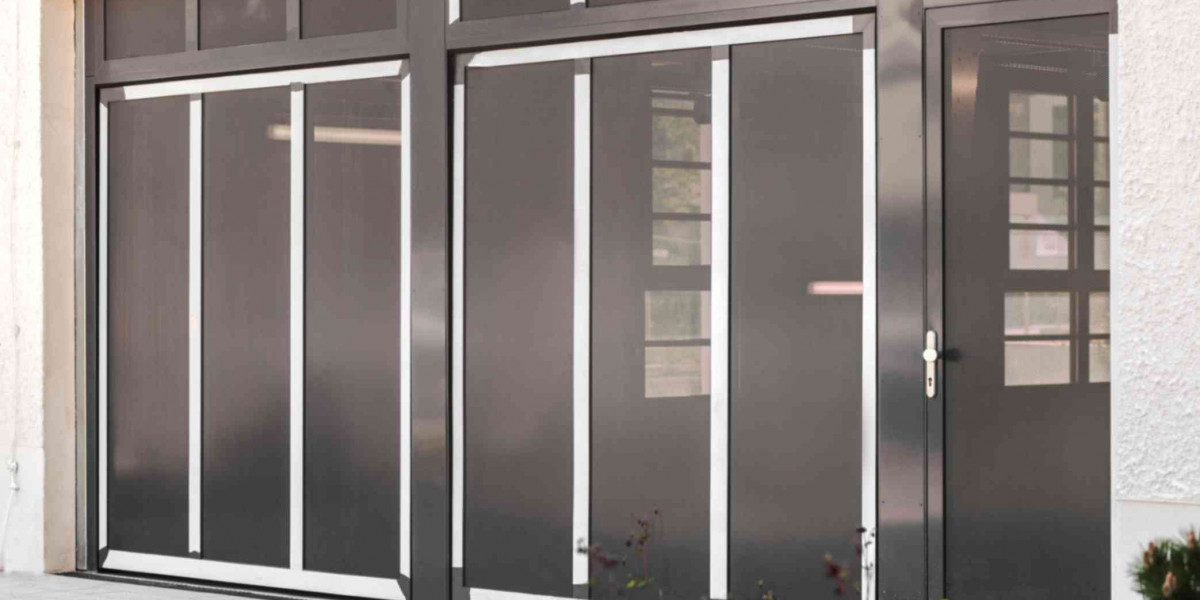
Modern architecture continues to evolve with a strong focus on convenience, efficiency, and aesthetics. One feature that has gained significant popularity across commercial and residential spaces is the automatic sliding glass door. These doors are no longer limited to airports or shopping malls. They are now a common element in offices, hospitals, hotels, and even contemporary homes. Their seamless operation and sleek design make them a practical and stylish choice for modern buildings.
Enhanced Convenience and Accessibility
One of the most noticeable advantages of automatic sliding doors is the level of convenience they provide. Unlike traditional doors, these systems open and close automatically, eliminating the need for physical effort. This feature is especially useful in high-traffic areas where people are constantly entering and exiting.
Ideal for All Users
Automatic doors are highly beneficial for individuals with mobility challenges, including elderly people and those using wheelchairs. They provide barrier-free access, making buildings more inclusive and user-friendly. Parents with strollers and individuals carrying heavy items also benefit from the hands-free functionality.
Smooth Traffic Flow
In busy environments such as malls, offices, and hospitals, maintaining a smooth flow of movement is essential. Automatic sliding doors reduce congestion by allowing quick and efficient entry and exit. This helps avoid bottlenecks and enhances overall user experience.
Improved Energy Efficiency
Energy efficiency is a key concern in modern construction, and automatic sliding doors play a crucial role in achieving it. These doors are designed to open only when needed and close promptly after use, minimizing the loss of indoor air.
Temperature Control
By reducing the time doors remain open, automatic systems help maintain indoor temperatures. This is particularly important in air-conditioned or heated environments, where energy loss can lead to increased utility costs.
Reduced Energy Consumption
With better insulation and controlled opening mechanisms, buildings equipped with automatic sliding doors often experience lower energy consumption. This not only reduces operational costs but also contributes to environmental sustainability.
Modern Aesthetic Appeal
Architectural design today emphasizes clean lines, transparency, and minimalism. Automatic sliding glass doors align perfectly with these principles.
Sleek and Contemporary Design
Glass doors create a sense of openness and allow natural light to flow into the building. This enhances the overall ambiance and makes spaces appear larger and more inviting.
Versatility in Design
These doors can be customized to suit different architectural styles. Whether it is a corporate office or a residential property, automatic sliding doors can complement the design while maintaining functionality.
Enhanced Safety and Security
Safety is a top priority in any building, and automatic sliding doors are equipped with advanced features to ensure secure operation.
Sensor-Based Technology
Modern doors use motion sensors and presence detection systems to prevent accidents. They can detect obstacles and stop or reverse movement if something is in the way, reducing the risk of injury.
Controlled Access
Automatic sliding doors can be integrated with access control systems such as keycards, biometric scanners, or security codes. This ensures that only authorized individuals can enter specific areas, enhancing security.
Hygienic and Touch-Free Operation
In environments where hygiene is critical, such as hospitals, laboratories, and food processing facilities, automatic sliding doors offer a significant advantage.
Reduced Contact
Since these doors operate without physical contact, they minimize the spread of germs and bacteria. This makes them an excellent choice for maintaining cleanliness and hygiene.
Easy Maintenance
Glass surfaces are easy to clean and maintain. Regular cleaning ensures that the doors remain transparent and visually appealing while supporting a hygienic environment.
Durability and Reliability
Automatic sliding doors are built using high-quality materials designed to withstand frequent use.
Long-Term Performance
These doors are engineered for durability, making them suitable for high-traffic areas. With proper maintenance, they can function efficiently for many years.
Minimal Wear and Tear
Unlike traditional hinged doors, sliding doors experience less mechanical stress. This results in reduced wear and tear, contributing to their longevity.
Space Optimization
Efficient use of space is a critical consideration in modern building design. Automatic sliding doors are an excellent solution for maximizing available space.
No Swing Area Required
Traditional doors require space to swing open and closed. Sliding doors move along a track, eliminating the need for additional clearance. This makes them ideal for compact areas.
Better Layout Flexibility
Architects and designers can create more flexible layouts without worrying about door clearance. This allows for better utilization of interior space.
Increased Property Value
Installing advanced features like automatic sliding doors can enhance the overall value of a property.
Attractive to Buyers and Tenants
Modern amenities are a key factor for potential buyers and tenants. Automatic doors add a touch of sophistication and practicality, making properties more appealing.
Competitive Advantage
In commercial spaces, having advanced infrastructure can provide a competitive edge. Businesses can create a positive impression on customers by offering a modern and convenient environment.
Integration with Smart Systems
Technology is transforming buildings into smart environments, and automatic sliding doors can be easily integrated into these systems.
Smart Control Options
Doors can be connected to building management systems, allowing for centralized control. Features such as scheduled operation and remote monitoring enhance efficiency.
Compatibility with Automation
These doors work seamlessly with other automated systems, contributing to a cohesive and intelligent building design.
Noise Reduction and Comfort
Automatic sliding doors contribute to a quieter and more comfortable indoor environment.
Reduced Noise Levels
Proper sealing and smooth operation help minimize noise from outside. This is particularly beneficial in offices, hospitals, and residential areas.
Comfortable Indoor Atmosphere
By maintaining temperature and reducing noise, automatic doors create a more pleasant indoor experience for occupants.
Final Thought
The adoption of automatic sliding doors in modern buildings reflects a shift toward smarter, more efficient, and user-friendly design. From enhancing accessibility and improving energy efficiency to elevating aesthetics and ensuring safety, these doors offer a wide range of benefits. As technology continues to advance, the role of the automatic sliding door system will only become more significant in shaping the buildings of the future. Choosing the right door solution is not just about functionality but also about creating spaces that are welcoming, efficient, and aligned with modern living standards.