The Weeknd Merch has grown into something way bigger than basic artist merchandise. It sits in that rare space where music, emotion, and streetwear overlap without feeling forced. From early XO graphics to cinematic album-era drops, every release feels like a snapshot of a different world The Weeknd built over time.
What makes it worth paying attention to is how naturally it entered everyday fashion. The Weeknd Hoodie, in particular, became a go-to piece for both fans and streetwear heads. This article breaks down the most important The Weeknd Merch pieces you should know about and why they still hold weight today.
The Early XO Era Merch That Started It All
The first wave of The Weeknd Merch came from the XO era, and it had a raw, underground feel. Simple graphics, minimal color palettes, and bold XO branding defined this phase. It wasn’t polished or overly styled—it felt like something emerging directly from the music scene itself.
These early pieces carried a certain authenticity that later drops built on. They weren’t designed to be fashion statements at first, but that’s exactly what they became. Over time, these items turned into rare collector pieces because they represent the foundation of the entire merch universe.
For many fans, this era is where The Weeknd Hoodie culture quietly started forming.
The Weeknd Hoodie That Became a Streetwear Staple
The Weeknd Hoodie is probably the most recognizable piece from The Weeknd Merch history. What made it stand out wasn’t complexity—it was simplicity done right. Clean logos, oversized fits, and wearable tones made it easy to style in everyday life.
It worked beyond fan culture almost instantly. You’d see it in streetwear fits, layered with cargos, denim, and sneakers, not just at concerts. That crossover moment is what pushed it into mainstream fashion rotation.
Even today, older hoodie drops still feel relevant because they weren’t tied to a specific trend cycle. They were built around identity, not hype.
Starboy Era Merch: Futuristic and Sharp
The “Starboy” era introduced a more futuristic version of The Weeknd Merch. The aesthetic shifted into sharper visuals, darker contrasts, and a more polished design direction. It felt more structured compared to earlier releases, almost like a controlled evolution of the XO identity.
This era’s merch leaned heavily into bold graphics and clean layouts. The Weeknd Hoodie designs from this phase often carried a more refined edge, making them stand out in both music and fashion spaces.
It was the moment where merch started feeling less like tour souvenirs and more like curated streetwear drops.
After Hours Merch That Defined a Generation
The “After Hours” collection is one of the most iconic phases of The Weeknd Merch. The red-heavy visuals, bruised character design, and cinematic storytelling created a full aesthetic universe. It wasn’t just clothing—it felt like part of a film narrative.
The Weeknd Hoodie from this era became especially recognizable, often seen in full monochrome red or black fits. It matched the emotional tone of the album perfectly: dark, chaotic, and reflective.
This era pushed merch into cultural conversation in a way few artist collections ever have.
Dawn FM Merch and the Surreal Shift
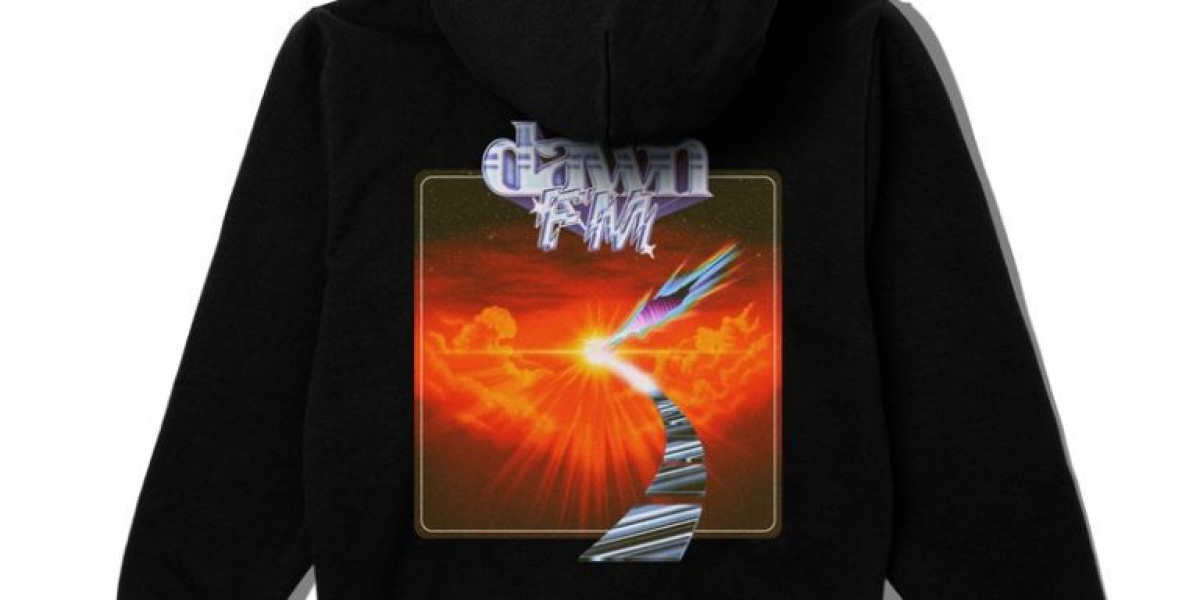
With “Dawn FM,” The Weeknd Merch moved into a more surreal, conceptual direction. The visuals felt like a strange radio broadcast world, blending retro aesthetics with futuristic themes. It was softer in tone but still deeply intentional.
The designs leaned into experimental layouts and abstract imagery. Instead of darkness, this era explored transition and reflection. It showed how merch can evolve alongside storytelling without losing identity.
Even The Weeknd Hoodie designs from this era carried a more experimental visual language.
Rare Tour Exclusives You Might Have Missed
Some of the most valuable pieces in The Weeknd Merch world come from tour-exclusive drops. These items were never widely restocked, making them harder to find over time. They often include limited graphics tied to specific tour stops or live moments.
These pieces matter because they capture a specific point in time. It’s not just about design—it’s about memory. Fans who attended those shows often treat these items like souvenirs with long-term emotional value.
That scarcity is what makes them highly sought after in resale markets today.
The Weeknd Hoodie in Modern Streetwear Styling
Today, The Weeknd Hoodie continues to stay relevant in everyday streetwear. It pairs easily with modern essentials like wide-leg cargos, washed denim, or layered outerwear. The simplicity of its design makes it flexible across different aesthetics.
The key is balance. Since the hoodie often carries strong branding or visuals, the rest of the outfit stays minimal. That contrast creates a clean, wearable look that doesn’t feel overdone.
This adaptability is why it still shows up in current fits years after its original drops.
Why The Weeknd Merch Still Matters Today
The reason The Weeknd Merch still holds weight is consistency in storytelling. Every era feels connected, even when the visuals change. That continuity makes it feel like one evolving universe instead of disconnected drops.
It also bridges music and fashion in a way that feels natural. You don’t need to be a hardcore fan to appreciate it, but being one adds another layer of meaning. That dual identity keeps it relevant across different audiences.
Even older The Weeknd Hoodie pieces don’t feel outdated—they feel archived, like wearable memories.
Final Thoughts
At this point, The Weeknd Merch is more than artist clothing—it’s cultural documentation. From early XO pieces to cinematic After Hours drops and experimental Dawn FM designs, every era adds something to the story.
The Weeknd Hoodie remains the most iconic piece in that evolution, bridging music fandom and everyday streetwear. It’s simple, wearable, and still emotionally connected to the sound that inspired it.
What makes The Weeknd Merch worth knowing about isn’t just design—it’s how it captures moments in music history and turns them into something you can actually wear.

![Streaming Experience: On-the-Go Video Snippets [iOS]](https://blacknews.news/upload/photos/2026/02/l6WauhOWp5ThsEI9fNbO_24_4afaa9e57b845297ce20c469363adc3a_image.png)