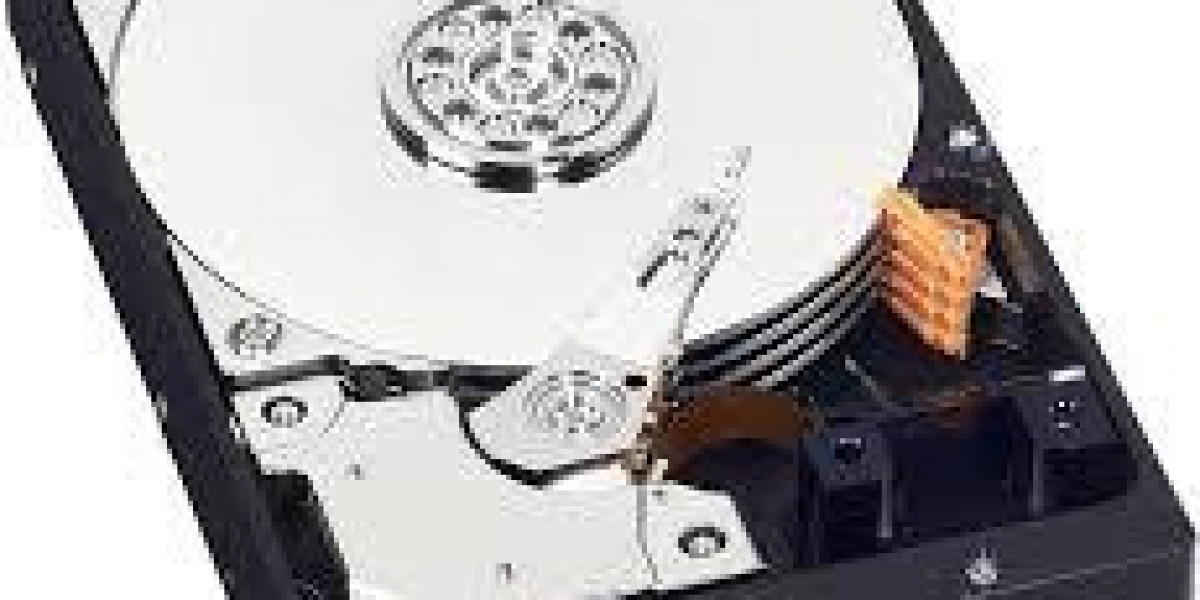
A desktop PC hard drive is one of the most important components in any computer system. It stores your operating system, applications, and personal files, making it essential for both everyday use and professional tasks. Whether you are building a new system or upgrading an old one, selecting the right desktop computer hard drive can significantly improve your overall experience.
Understanding Desktop Computer Hard Drive Types
When it comes to a desktop computer hard drive, there are two main types to consider. Traditional Hard Disk Drives use spinning disks to store data and are known for their large storage capacity at an affordable price. They are ideal for users who need to store large amounts of data such as videos, photos, and documents.
Solid State Drives, on the other hand, offer faster speeds and better performance. A desktop PC hard drive in SSD form provides quicker boot times, faster file transfers, and smoother multitasking. While SSDs tend to be more expensive, their speed and efficiency make them a popular choice for modern users.
Performance and Storage Considerations
Choosing the right desktop PC hard drive depends on your needs. If you prioritize speed, an SSD is the better option. If you need more storage at a lower cost, a traditional desktop computer hard drive may be more suitable. Many users opt for a combination of both, using an SSD for the operating system and an HDD for additional storage.
Storage capacity is another key factor. A desktop PC hard drive can range from a few hundred gigabytes to several terabytes, allowing flexibility based on your usage. Gamers, designers, and professionals often require higher capacities to store large files and applications.
Reliability and Longevity
A reliable desktop computer hard drive ensures your data remains safe over time. Modern drives include features like error correction and improved durability to prevent data loss. Regular maintenance, such as backups and system monitoring, can extend the lifespan of your desktop PC hard drive and keep your system running smoothly.
Final Thoughts
A desktop PC hard drive plays a vital role in determining your computer’s performance and storage capabilities. By understanding the differences between drive types and evaluating your needs, you can choose the best desktop computer hard drive for your setup. Investing in the right storage solution ensures faster performance, better reliability, and a more efficient computing experience.