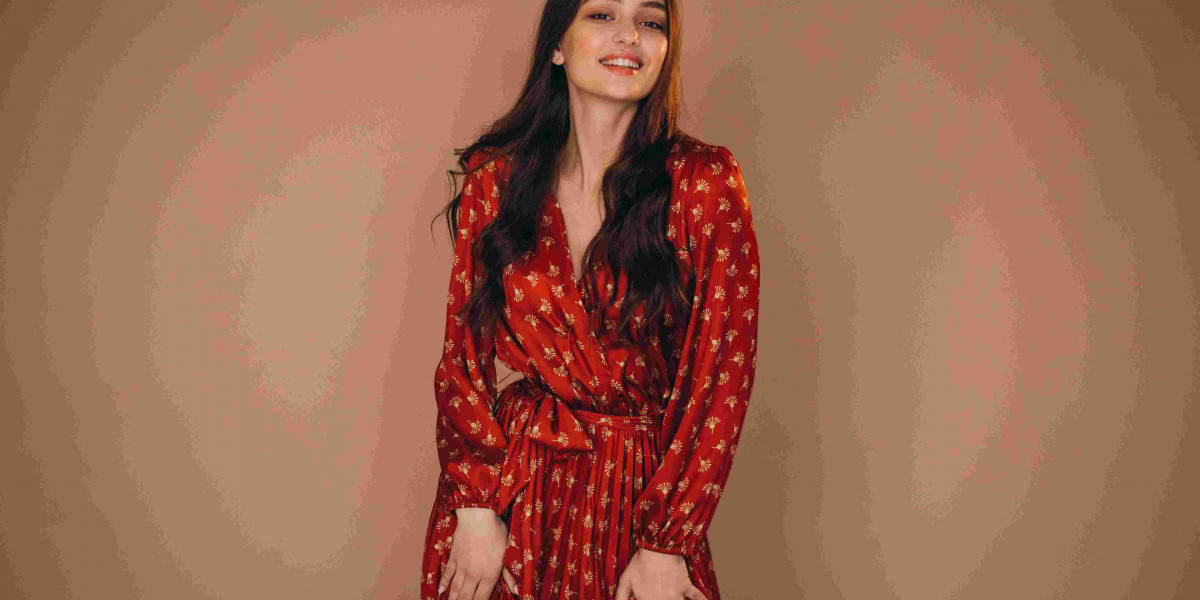
Indian fashion has always been a magnificent celebration of culture, craftsmanship, and color. Among the many traditional and semi-traditional styles that have stood the test of time, the Sharara dress holds a particularly special place in the hearts of women across the subcontinent and the broader South Asian diaspora. Rooted in the royal courts of the Mughal era, this elegant ensemble has evolved over centuries while retaining the regal, feminine character that makes it so enduring. Whether worn at a family wedding, a festive celebration, or a cultural event, this outfit never fails to make a lasting impression.
The Historical Roots of the Sharara Dress
The origins of the Sharara dress can be traced back to the Mughal period, when it was a staple of aristocratic women's wardrobes in the courts of northern India. The ensemble was characterized by its distinctive wide-legged trousers — dramatic in their flare and richly embellished — paired with a short kurta or choli and a matching dupatta. The silhouette was designed to move beautifully, the fabric swirling around the legs with each step in a way that was considered both graceful and visually magnificent.
Over the centuries, the style traveled across regions and communities, absorbing local design traditions and embroidery techniques along the way. In different parts of India, it took on slightly different forms, adapting to local tastes and occasions. In Punjab, heavier embroidery and brighter color palettes became popular. In Lucknow and the surrounding regions, the chikankari embroidery tradition left its delicate mark on the style. In Hyderabad and the Deccan, richer fabrics like silk and brocade became common, reflecting the prosperity and artistic heritage of the region.
Fabrics and Craftsmanship
The beauty of a Sharara dress lies as much in its material as in its silhouette. Silk is the most traditional choice and remains highly prized for its natural sheen, smooth drape, and luxurious feel. Georgette and crepe are more contemporary options that offer excellent movement and are easier to maintain. Net and organza are often layered over heavier base fabrics to create volume and depth, particularly in the skirt of the trousers. Velvet versions are especially popular during the winter months and festive seasons, their rich texture adding a sumptuous quality to the overall look.
Embellishments are central to the identity of this style. Zardozi embroidery — a technique that uses gold and silver thread along with beads, sequins, and semi-precious stones — is among the most prestigious forms of ornamentation. Gota patti work, originating from Rajasthan, uses metallic ribbon trimmed in intricate patterns along necklines, hems, and dupattas. Resham thread embroidery in vibrant colors adds floral and geometric motifs that celebrate the natural world and the geometric vocabulary of Islamic art.
Why the Sharara Dress Remains Relevant Today
In contemporary fashion, the Sharara dress occupies a unique position. It is simultaneously traditional and fashion-forward, making it appealing to women across different age groups and style preferences. Young women are increasingly drawn to it for its distinctive silhouette, which stands apart from the more commonly seen salwar kameez or lehenga. Older generations appreciate its connection to cultural heritage and the sense of occasion it naturally conveys.
Contemporary designers have done considerable work to revitalize and modernize this classic style while maintaining its essential character. New interpretations feature cropped kurtas with plunging necklines, asymmetric hemlines, and cape-style dupattas. Color palettes have expanded far beyond the traditional jewel tones to include pastels, neutrals, and even bold Western colors like cobalt blue and hot pink. The result is a style that feels equally at home at a traditional ceremony and a modern fashion event.
Occasions and Styling Tips
The Sharara dress is ideally suited to festive and semi-formal occasions. It is a popular choice for Eid celebrations, sangeet ceremonies, mehendi functions, and other pre-wedding events where women want to look dressed up without the heavier, more elaborate look of a full bridal lehenga. It also works beautifully for family gatherings, cultural programs, and religious celebrations.
Styling a Sharara dress well involves balancing the richness of the outfit with your accessories and makeup choices. If the outfit features heavy embroidery or embellishments, opt for more understated jewelry — a pair of jhumkas (traditional drop earrings), a simple maang tikka, and minimal bangles are often sufficient. If the outfit is in a lighter or more minimal style, you have more room to experiment with statement necklaces, layered jewelry, and more elaborate headpieces.
Footwear for this ensemble should be traditional or semi-traditional. Embroidered juttis (flat shoes), heeled mojris, or strappy sandals in metallic tones all work well and maintain the ethnic character of the look without adding visual heaviness. Hair can be styled in a loose bun with floral pins, soft curls, or a traditional plait adorned with flowers or jewelry.
Keeping Tradition Alive
Wearing a Sharara dress is more than just a fashion choice — it is an act of cultural expression and a way of honoring the artisanal traditions that have been passed down through generations. Each piece of hand-embroidered fabric represents hours of skilled labor by craftspeople whose families have practiced these techniques for generations. By choosing handcrafted, authentic ethnic wear over mass-produced alternatives, consumers help sustain these traditions and support the livelihoods of artisans in regions where these crafts originate.
The growing global appreciation for South Asian fashion has also brought this beautiful style to international audiences, with fashion enthusiasts around the world discovering the artistry and elegance it embodies. From fashion weeks in Mumbai and Delhi to runways in New York and London, the Sharara dress continues to make a compelling case for why traditional Indian fashion deserves a permanent place in the global fashion conversation.