Shingles, also known as herpes zoster, is a painful skin infection caused by the reactivation of the varicella-zoster virus, the same virus responsible for chickenpox. While anyone who has had chickenpox can develop shingles, early recognition and treatment are critical to prevent complications and reduce discomfort.
What is Shingles (Herpes Zoster)?
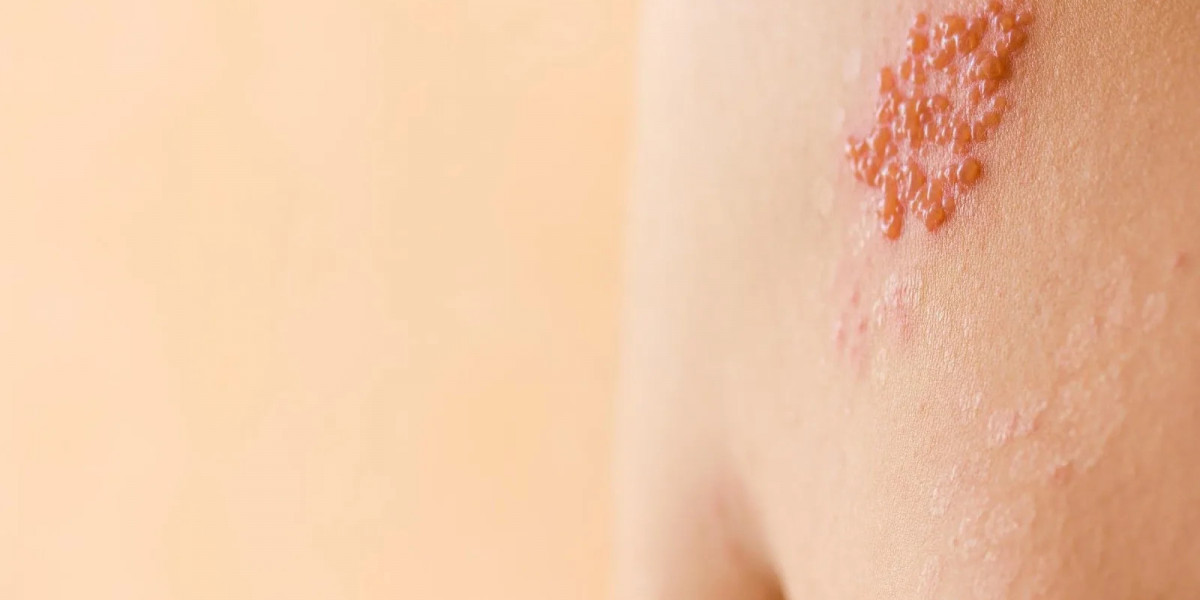
Shingles occurs when the dormant varicella-zoster virus in nerve tissue becomes active again, usually decades after an initial chickenpox infection. It travels along nerve fibers to the skin, causing a characteristic rash often accompanied by severe pain, tingling, or burning sensations. Shingles typically affects one side of the body, forming a stripe or band of red, fluid-filled blisters.
The infection primarily targets adults over 50 or those with weakened immune systems, but it can appear at any age. Recognizing shingles early improves the effectiveness of antiviral treatment and reduces the risk of postherpetic neuralgia, a lingering nerve pain after the rash heals.
Causes and Risk Factors for Shingles
The reactivation of the varicella-zoster virus is influenced by several factors:
- Age-related immune decline – Adults over 50 are more susceptible due to natural weakening of immunity.
- Weakened immune system – Conditions like HIV, cancer, or immunosuppressive medications increase the risk.
- Stress and trauma – Severe physical or emotional stress may trigger viral reactivation.
- Previous chickenpox infection – Shingles only occurs in those who have had chickenpox, as the virus remains dormant in nerve cells.
- Chronic illnesses – Diabetes and other chronic diseases can contribute to immune system compromise.
Understanding these risk factors helps identify individuals who should consider vaccination and early preventive measures.
Early Signs and Symptoms of Shingles
Shingles often begins with prodromal symptoms that can appear days before visible blisters:
- Tingling, itching, or burning in a localized area of skin.
- Sharp or throbbing pain along nerve pathways.
- Sensitivity to touch or even mild pressure on the affected area.
- Fatigue, fever, and mild headache in some cases.
These early signs are often mistaken for other conditions like muscle strain or nerve irritation. Prompt recognition and treatment within 72 hours of rash onset significantly improve outcomes.
How Shingles Rash Develops
Once the virus reactivates, a shingles rash typically emerges in a stripe or band pattern on one side of the body:
- Red patches appear along affected nerve pathways.
- Small fluid-filled blisters form and may merge, eventually crusting over.
- Pain, itching, or burning continues as blisters develop.
- Common areas affected include the torso, face, neck, and occasionally the eyes.
Shingles lesions usually last 2–4 weeks, but the pain can persist for months in postherpetic neuralgia cases. Recognizing the pattern early allows for immediate antiviral therapy to reduce severity.
Diagnosing Shingles
Shingles is typically diagnosed through clinical examination based on rash appearance and patient history. In uncertain cases, additional tests include:
- Polymerase Chain Reaction (PCR) test – Detects varicella-zoster DNA.
- Direct fluorescent antibody (DFA) test – Confirms viral presence.
- Blood tests – Assess immune response if needed.
Early medical intervention ensures proper antiviral therapy, pain management, and monitoring for complications like eye involvement or bacterial superinfection.
Treatment Options for Shingles
Effective management of shingles combines antiviral treatment and supportive care:
Antiviral Medications
- Acyclovir, valacyclovir, or famciclovir shorten the duration of symptoms and reduce the risk of complications.
- Initiate within 72 hours of rash onset for optimal effectiveness.
Pain Management
- Over-the-counter pain relievers like acetaminophen or ibuprofen.
- Topical creams or patches for localized relief.
- Prescription medications such as gabapentin or pregabalin may be required for severe nerve pain.
Home Care Measures
- Keep rash clean and dry.
- Wear loose-fitting clothing to reduce irritation.
- Apply cool compresses for comfort.
- Rest and maintain hydration to support recovery.
Prompt treatment not only eases symptoms but also prevents complications like postherpetic neuralgia and scarring.
Preventive Strategies for Shingles
Preventing shingles involves boosting immunity and reducing triggers:
- Vaccination – The shingles vaccine (Shingrix) is recommended for adults over 50 and immunocompromised individuals.
- Healthy lifestyle – Balanced diet, regular exercise, and adequate sleep strengthen the immune system.
- Stress management – Meditation, yoga, and mindfulness can reduce viral reactivation risk.
- Avoid exposure to active chickenpox – People with shingles or chickenpox can transmit the virus to those who haven’t had chickenpox.
- Early medical check-ups – Consulting a dermatologist or physician at the first sign of symptoms helps prevent complications.
Combining vaccination with good health practices offers the most effective protection.
Book Online Appointment with Best Dermatologist via Instacare
If you experience any tingling, rash, or pain consistent with shingles, consulting a qualified dermatologist promptly is essential. Online appointments via Instacare allow convenient access to professional evaluation, antiviral prescriptions, and pain management strategies. Early treatment improves recovery, prevents complications, and minimizes postherpetic neuralgia risk.
Frequently Asked Questions (FAQs)
- Can shingles occur more than once?
Yes, while most people only experience it once, shingles can recur, especially in those with weakened immunity. - Is shingles contagious?
Shingles is contagious to people who have never had chickenpox. The virus spreads through direct contact with fluid from blisters. - How long does shingles pain last?
Rash typically heals within 2–4 weeks, but nerve pain can persist for months in postherpetic neuralgia. - Can shingles affect the eyes?
Yes, herpes zoster ophthalmicus affects the eyes and requires immediate medical attention to prevent vision loss. - How effective is the shingles vaccine?
Shingrix provides strong protection against shingles and postherpetic neuralgia, especially in adults over 50 and immunocompromised individuals.