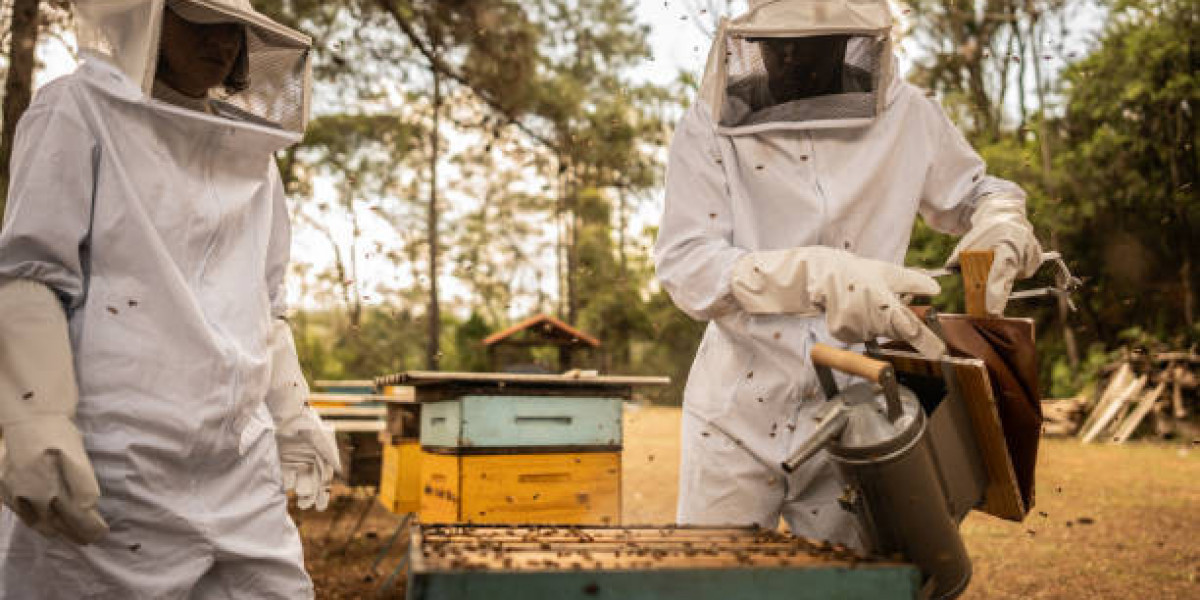
Starting your journey into beekeeping can be exciting, rewarding, and at times a little overwhelming. Your first year is all about learning, observing, and building confidence around your bees. With the right approach—and the right protective gear like a reliable bee keeper suit—you can set yourself up for success from day one.
At Safta Bee, we manufacture high-quality beekeeping suits, gloves, and protective clothing, along with providing essential beekeeping services and products. We understand what beginners truly need because we’ve built our mission around protecting beekeepers while they learn and grow.
Here are the top 10 tips to help you succeed in your first year.
1. Start with the Right Equipment
Before you even approach your hive, make sure you have the essentials:
- Hive setup
- Smoker
- Hive tool
- Gloves
- A high-quality bee keeper suit
A proper bee keeper suit is your first line of defense and will give you the confidence to work calmly around your bees.
2. Choose the Right Location for Your Hive
Place your hive in a location that:
- Gets morning sunlight
- Has some wind protection
- Is away from heavy human or animal traffic
A well-placed hive reduces stress—for both you and your bees.
3. Invest in a Quality Bee Keeper Suit
Not all protective clothing is the same. A well-designed bee keeper suit should be:
- Breathable
- Comfortable
- Sting-resistant
- Properly fitted
At Safta Bee, we focus on suits that protect your skin while allowing you to move freely and work efficiently.
4. Learn Bee Behavior
Understanding your bees is key. Watch how they react:
- Calm bees move slowly
- Defensive bees fly aggressively and buzz loudly
When you understand their behavior, you’ll know when to proceed and when to step back—even when wearing a bee keeper suit.
5. Use Your Smoker Properly
A smoker helps calm bees by masking alarm pheromones. Use it gently:
- A few puffs at the entrance
- Avoid over-smoking
Calm bees mean fewer stings—even through a bee keeper suit.
6. Inspect Your Hive Regularly
Check your hive every 7–10 days during active seasons. Look for:
- Queen activity
- Brood patterns
- Signs of disease
Consistency helps you catch problems early.
7. Work in Good Weather
Bees are more defensive when:
- It’s cold
- It’s rainy
- There’s strong wind
Choose warm, calm days for inspections to reduce the chances of stings—even with a bee keeper suit on.
8. Stay Calm and Move Slowly
Quick movements can trigger defensive behavior. Always:
- Move gently
- Avoid sudden gestures
- Stay relaxed
Confidence grows when you trust your gear—especially your bee keeper suit.
9. Protect High-Risk Areas
Most stings happen on:
- Arms
- Thighs
- Back
A well-constructed bee keeper suit should provide reinforcement in these areas. This is something we prioritize at Safta Bee in every design.
10. Keep Learning and Be Patient
Your first year is a learning experience. Mistakes will happen—but that’s part of the process.
- Join beekeeping communities
- Read and research
- Observe your hive regularly
With time, your confidence will grow—and your reliance on your bee keeper suit will shift from fear to simple precaution.
Final Thoughts
Beekeeping success in your first year isn’t about perfection—it’s about preparation, patience, and protection.
A reliable bee keeper suit allows you to focus on your bees instead of worrying about stings. At Safta Bee, we are committed to supporting beekeepers with high-quality protective clothing, gloves, and essential beekeeping products designed for real-world conditions.
The better protected you are, the more confidently you’ll grow as a beekeeper.