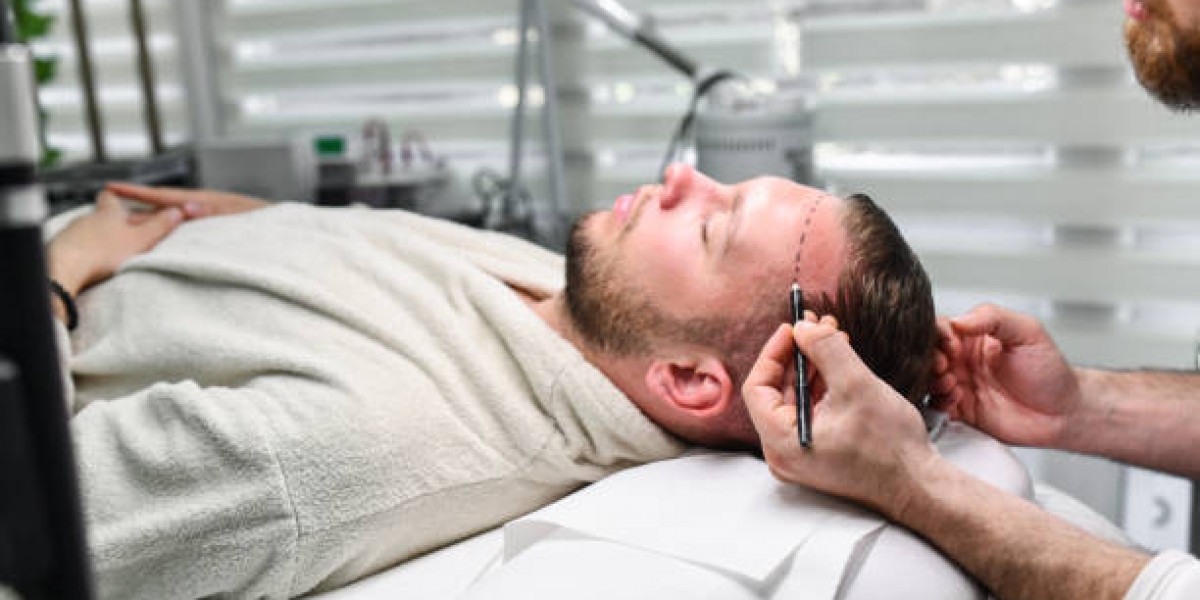
This procedure focuses on extracting healthy hair follicles from a donor area and implanting them into areas experiencing thinning or baldness. Understanding the scientific principles behind follicle extraction and implantation allows patients to make informed decisions and achieve natural-looking results.
For individuals curious about availability, the question “Is Hair Transplant Available in Saudi Arabia?(هل يوجد زراعة شعر في السعوديه)” is increasingly relevant. The answer is yes, and with sophisticated clinics in Riyadh, patients have access to advanced technologies and highly trained specialists. Modern procedures are designed to ensure that transplanted hair grows naturally, matching the patient’s existing hair in density, direction, and texture. Saudi Arabia’s medical standards also guarantee safety and effectiveness, making hair restoration an accessible and reliable option for residents and visitors.
Understanding Hair Follicle Biology
Hair follicles are small but complex structures that anchor hair strands to the scalp. Each follicle has its own growth cycle, consisting of three stages: anagen (growth), catagen (transition), and telogen (resting). Disruption in this cycle due to genetics, hormonal changes, or environmental factors can result in hair thinning or loss. The success of Hair Transplant in Riyadh depends on selecting follicles that are healthy, active, and resistant to hair loss, ensuring that they continue to grow once transplanted to a new area.
Why Donor Area Health Matters
The donor area, usually at the back or sides of the scalp, contains follicles that are naturally resistant to the hormones responsible for hair loss. Healthy donor follicles are critical because they determine the long-term stability of the transplanted hair. Specialists assess the density, thickness, and strength of donor follicles before extraction to maximize successful implantation and minimize damage to the scalp.
The Role of Follicle Structure
Each follicle contains a root, bulb, and surrounding supportive tissues. Preservation of this structure during extraction is vital for survival and growth in the recipient area. Modern hair transplant techniques, such as Follicular Unit Extraction (FUE), focus on minimal trauma to the follicle to maintain its natural regenerative capabilities.
Hair Follicle Extraction Techniques
Follicular Unit Extraction (FUE)
FUE is a minimally invasive technique where individual hair follicles are extracted directly from the donor area. Using precision instruments, specialists carefully remove follicles without creating linear scars. This method is preferred for patients seeking a natural hairline and minimal recovery time.
Follicular Unit Transplantation (FUT)
FUT involves removing a thin strip of scalp from the donor area, from which follicles are carefully separated into individual units. These follicular units are then implanted in the recipient area. While FUT may leave a small linear scar, it allows for the transplantation of a higher number of follicles in a single session, making it suitable for larger areas of hair loss.
Ensuring Follicle Viability
Regardless of the technique, maintaining follicle viability is crucial. Extracted follicles are stored in specialized solutions that preserve moisture and nutrients until implantation. This scientific approach increases the likelihood of successful growth and reduces the risk of follicle damage during the procedure.
Hair Follicle Implantation Process
Recipient Site Preparation
Before implantation, the recipient area is prepared by creating tiny channels or slits that match the natural angle and direction of existing hair. This meticulous planning ensures that the transplanted hair grows in harmony with the surrounding hair, resulting in a seamless and natural appearance.
Implantation Technique
Follicles are implanted individually into the prepared sites using precise instruments. Attention is given to density, spacing, and orientation to mimic natural hair patterns. This methodical process is the cornerstone of achieving aesthetically pleasing results that are indistinguishable from natural hair.
Post-Procedure Hair Growth
Initially, transplanted hair may shed, which is a normal part of the hair cycle. Within a few months, new hair begins to emerge from the implanted follicles. Over time, hair thickens and integrates with surrounding strands, providing a long-term solution to hair loss.
Why Scientific Precision Matters
The science behind follicle extraction and implantation ensures both effectiveness and safety. Proper evaluation of donor and recipient areas, careful handling of follicles, and precise implantation techniques contribute to natural results and long-lasting hair growth. Patients benefit not only from restored hair but also from improved self-confidence and quality of life.
Frequently Asked Questions
Q: How long does it take to see results after a hair transplant?
A: Initial growth can be observed within three to four months, with full results usually visible after 9–12 months.
Q: Is the procedure painful?
A: Local anesthesia is used during the procedure, so patients experience minimal discomfort. Mild soreness may occur during recovery.
Q: Can women undergo hair transplantation?
A: Yes, women with thinning hair or pattern hair loss can benefit from the procedure, provided they have suitable donor follicles.
Q: How long does the transplanted hair last?
A: Transplanted follicles are typically permanent, as they come from areas resistant to hair loss.
Q: Are there risks associated with hair transplantation?
A: When performed by experienced specialists, risks are minimal. Proper aftercare and following post-procedure instructions further reduce potential complications.
Book Your Consultation
If you are considering restoring your hair and confidence, a professional consultation can help determine the best treatment plan for your needs. At Enfield Royal Clinic(عيادة انفيلد رويال), advanced hair restoration techniques are used to ensure natural, long-lasting results. Our team provides personalized care and guidance to help patients achieve fuller, healthier hair in a safe and comfortable environment.