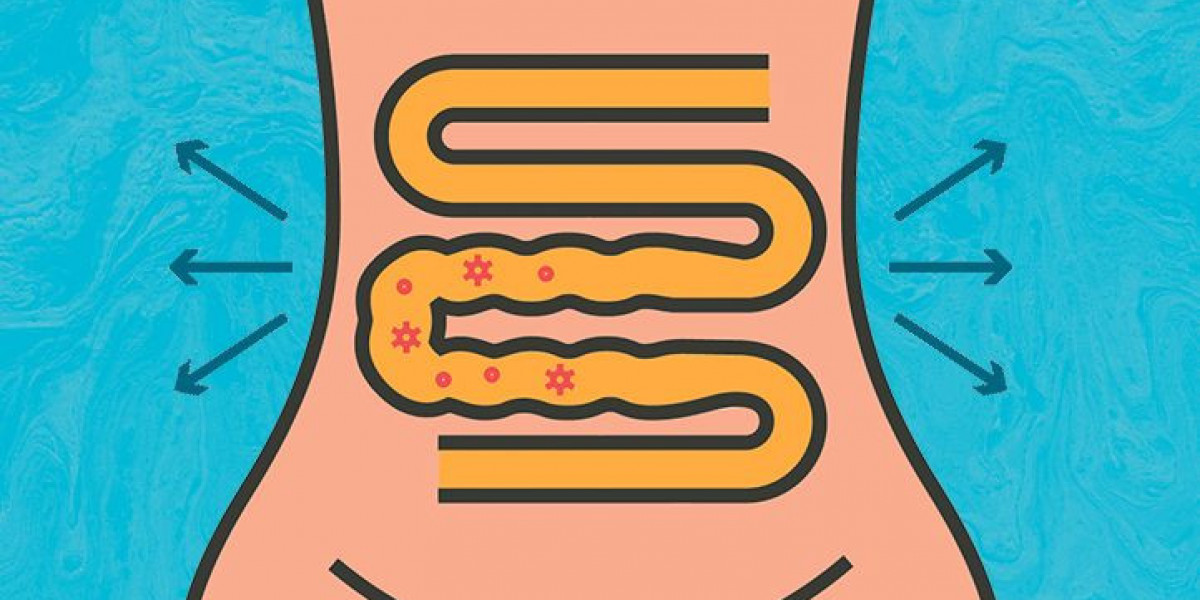
Loose watery bowel movements commonly referred to as diarrhea can be uncomfortable, dehydrating, and disruptive to daily life. In most cases, it is caused by infections, food intolerance, contaminated water, or digestive disturbances. While severe or persistent cases require medical attention, mild to moderate episodes can often be managed effectively at home with the right approach. This guide explains practical home treatments, dietary adjustments, and when medications like nizonide 500mg may be considered.
Understanding Loose Watery Bowel Issues
Loose stools occur when the intestines are unable to absorb fluids properly, leading to frequent, watery bowel movements. Common causes include:
- Viral or bacterial infections
- Food poisoning
- Poor hygiene or contaminated water
- Food intolerance (e.g., lactose intolerance)
- Side effects of medications
- Stress or digestive disorders
Short-term diarrhea usually resolves within a few days, but proper care is essential to prevent dehydration and complications.
1. Stay Hydrated: The First Priority
The biggest risk associated with watery bowel movements is dehydration. Your body loses fluids, electrolytes, and essential minerals quickly.
What to drink:
- Oral Rehydration Solution (ORS)
- Coconut water
- Clear soups or broths
- Lemon water with a pinch of salt and sugar
Avoid:
- Caffeinated drinks
- Alcohol
- Sugary sodas
ORS is particularly effective because it restores electrolyte balance, not just fluids.
2. Follow the BRAT Diet
A gentle, easy-to-digest diet can help reduce bowel irritation. The BRAT diet includes:
- Bananas – rich in potassium
- Rice – easy on the stomach
- Applesauce – helps firm stool
- Toast – simple carbohydrates
These foods help bulk up stool and reduce frequency.
Additional helpful foods:
- Boiled potatoes
- Plain curd (yogurt)
- Khichdi (rice + lentils)
Avoid spicy, oily, or heavy foods until recovery.
3. Use Natural Home Remedies
Several traditional remedies can support recovery:
a. Curd (Yogurt)
Contains probiotics that restore gut flora and improve digestion.
b. Ginger
Ginger tea can reduce intestinal inflammation and cramping.
c. Fenugreek Seeds (Methi)
Soak a teaspoon in water and consume it may help reduce diarrhea.
d. Pomegranate
Pomegranate juice or peel decoction is known to have anti-diarrheal properties.
4. Maintain Hygiene
Prevent worsening or spreading of infection:
- Wash hands thoroughly before eating
- Use clean drinking water
- Avoid street food during illness
- Clean utensils properly
Hygiene plays a major role in both treatment and prevention.
5. Rest and Recovery
Your body needs energy to fight off the underlying cause. Avoid strenuous activities and ensure adequate sleep. Stress can worsen digestive issues, so relaxation is important.
6. Over-the-Counter Support
In some cases, mild medications can help control symptoms:
- Oral rehydration salts (ORS)
- Zinc supplements (especially recommended for children)
- Probiotics
Avoid taking anti-diarrheal drugs without understanding the cause, especially if infection is suspected.
7. Role of nizonide 500mg
In cases where diarrhea is caused by parasitic or protozoal infections, doctors may prescribe nizonide 500mg, which contains nitazoxanide as the active ingredient.
How it works:
- Targets intestinal parasites and certain bacteria
- Helps reduce infection-driven diarrhea
- Improves recovery time when used appropriately
Important considerations:
- Should only be taken under medical supervision
- Not necessary for simple viral diarrhea
- Complete the full prescribed course
While nizonide 500mg can be effective, it is not a general remedy for all diarrhea cases. Misuse of antibiotics or antiparasitic drugs can lead to resistance or side effects.
8. Recognizing Warning Signs
Home treatment is suitable only for mild cases. Seek medical help if you experience:
- Diarrhea lasting more than 3 days
- Blood in stool
- High fever
- Severe abdominal pain
- Signs of dehydration (dry mouth, dizziness, low urination)
- Persistent vomiting
Children, elderly individuals, and those with weakened immunity require extra caution.
9. Preventing Future Episodes
Prevention is always better than treatment. Follow these habits:
- Drink filtered or boiled water
- Wash fruits and vegetables thoroughly
- Avoid undercooked food
- Maintain personal hygiene
- Strengthen immunity with a balanced diet
Including probiotics regularly in your diet (like curd or fermented foods) can help maintain a healthy gut.
10. Quick Home Care Checklist
- Drink ORS frequently
- Eat light, bland foods
- Avoid dairy (except curd), spicy and oily items
- Rest adequately
- Use natural remedies like ginger or fenugreek
- Consider medications like nizonide 500mg only if prescribed
Conclusion
Loose watery bowel issues are common and often manageable at home with proper hydration, diet control, and hygiene. Natural remedies and simple lifestyle adjustments can significantly speed up recovery. However, it is crucial to monitor symptoms closely and seek medical advice when necessary.
Medications like nizonide 500mg can be highly effective in specific cases involving parasitic infections, but they should not be used indiscriminately. A balanced approach combining home care with medical guidance ensures safe and effective recovery.