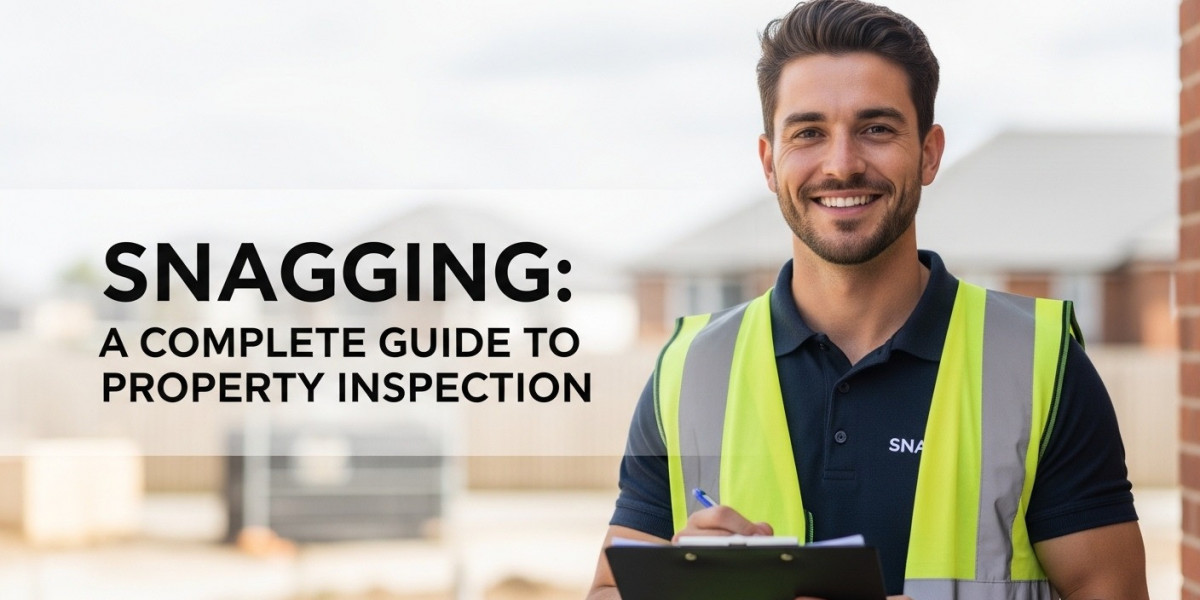
Purchasing a property is a major life decision, and whether it is your dream home or a long-term investment, you expect it to be perfect. However, many newly built properties come with minor or even serious defects that are not visible at first glance. This is where a snagging inspection becomes essential.
A snagging inspection is a detailed assessment of a property to identify defects, unfinished work, or poor-quality construction. It ensures that the property meets expected standards before the buyer takes full possession. Understanding this process can help you avoid unexpected repairs and ensure your property is delivered in the best possible condition.
What Is a Snagging Inspection?
A snagging inspection is a professional evaluation carried out to identify issues in a property. These issues, known as snags, can range from cosmetic imperfections to more serious structural concerns. The findings are compiled into a snag list, which is then provided to the builder or developer for correction.
This process is especially important for newly constructed properties, but it can also be useful for older homes that have recently undergone renovation.
Why Snagging Inspection Is Important
Ensures Quality Workmanship
Even experienced builders can overlook small details during construction. A snagging inspection ensures that the work meets acceptable quality standards.
Detects Hidden Problems
Some issues, such as faulty wiring or plumbing leaks, may not be visible during a regular walkthrough. A proper inspection helps uncover these hidden defects.
Saves Future Costs
Fixing problems after moving in can be expensive and stressful. Identifying issues early allows them to be resolved without additional cost to the buyer.
Provides Peace of Mind
Knowing that your property has been thoroughly inspected gives you confidence and security in your investment.
Areas Covered in a Snagging Inspection
A comprehensive snagging inspection includes multiple aspects of the property to ensure nothing is overlooked.
Structural Elements
Walls, ceilings, and floors are checked for cracks, uneven surfaces, or signs of poor construction.
Doors and Windows
Inspectors examine alignment, sealing, and functionality to ensure proper installation.
Electrical Systems
All switches, sockets, and lighting fixtures are tested to confirm they are safe and working correctly.
Plumbing Systems
Pipes, taps, and drainage systems are inspected for leaks, blockages, and water pressure issues.
Kitchen and Bathroom
Cabinets, fittings, and sanitary installations are reviewed for quality and proper finishing.
Exterior Features
Balconies, roofs, and external walls are inspected for damage, cracks, or incomplete work.
When Should You Get a Snagging Inspection?
The ideal time to carry out a snagging inspection is just before the final handover of the property. This allows the builder to address all identified issues before you move in.
In some cases, inspections can also be conducted after moving in, especially if defects become noticeable later. However, early inspection is always the best approach to avoid inconvenience.
Professional vs Self Snagging Inspection
Self Inspection
Some buyers choose to inspect their property themselves. While this may help identify obvious issues, it often lacks the technical depth required for a complete assessment.
Professional Inspection
Hiring a professional snagging inspector ensures a detailed and accurate evaluation. Experts have the knowledge and tools to detect issues that are easily missed by an untrained eye.
A professional report also carries more weight when requesting repairs from the developer.
Common Problems Found During Snagging Inspection
Snagging inspections often reveal a variety of issues, including:
- Uneven paint finishes and surface marks
- Cracks in walls or ceilings
- Poorly fitted doors and windows
- Electrical faults or loose connections
- Plumbing leaks or drainage issues
- Loose fixtures and fittings
- Incomplete installations
- Flooring defects
Addressing these problems before moving in ensures a smoother living experience.
Benefits of Snagging Inspection Services
Choosing a professional snagging inspection service offers several advantages:
Thorough Evaluation
Experts conduct a detailed inspection covering all aspects of the property.
Accurate Reporting
You receive a clear and structured report listing all defects.
Strong Negotiation Tool
The snag list can be used to request necessary repairs from the builder.
Time Efficiency
Professionals complete the inspection quickly and efficiently, saving you time.
How to Choose the Right Snagging Inspector
Selecting the right inspector is crucial for reliable results. Consider the following when making your choice:
- Experience in property inspection
- Knowledge of construction standards
- Attention to detail
- Clear and professional reporting
- Positive client feedback
A qualified inspector ensures that your property is thoroughly assessed without missing important details.
Tips for a Successful Snagging Inspection
- Schedule the inspection before finalizing the purchase
- Ensure all utilities are functional during inspection
- Carefully review the snag report
- Communicate clearly with the developer about required fixes
- Keep records of all identified issues and repairs
Following these tips can help you get the most out of your snagging inspection.
FAQs
What does a snagging inspection include?
It includes checking all areas of a property for defects, including structural, electrical, plumbing, and finishing issues.
Is snagging inspection only for new properties?
No, it can also be useful for renovated or older properties to identify hidden problems.
Can I skip a snagging inspection?
Skipping it may lead to unnoticed defects that could cost more to fix later.
How detailed is a snagging report?
It provides a complete list of issues that need to be addressed before or after handover.
Conclusion
A snagging inspection is a vital step in the property buying process that should never be overlooked. It ensures that your property is free from defects, meets quality standards, and is ready for comfortable living. By identifying and resolving issues early, you protect your investment and avoid unnecessary stress in the future.
Whether you are purchasing a new home or investing in real estate, a thorough snagging inspection gives you confidence that your property is delivered exactly as promised. Taking this step not only safeguards your finances but also ensures a smooth and satisfying property ownership experience.