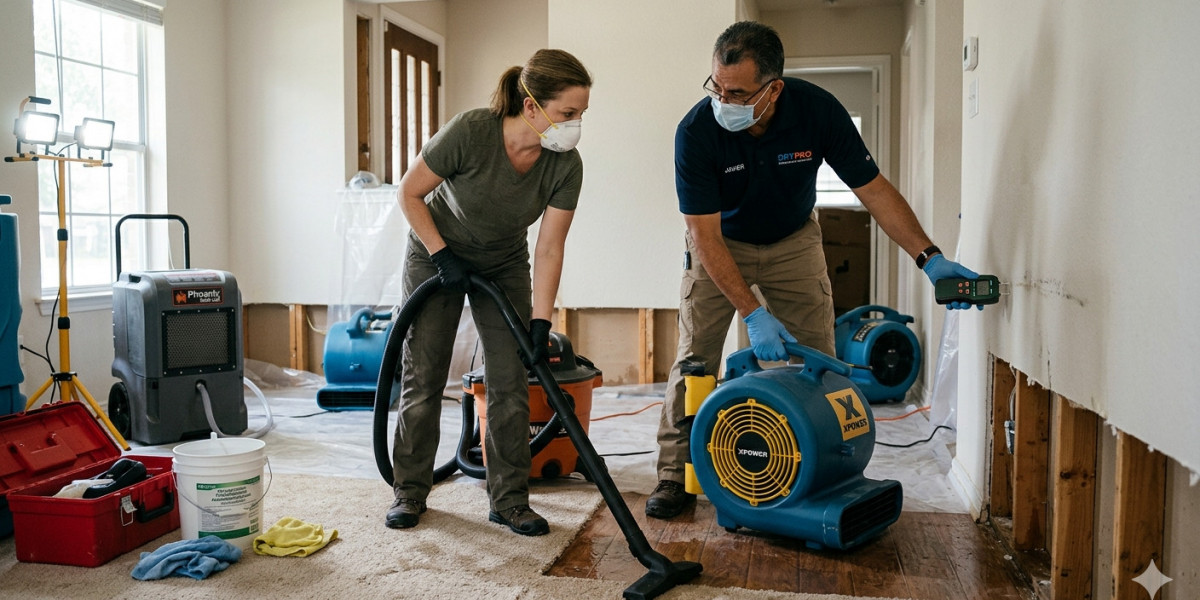
Water damage can turn a home upside down in a matter of hours. Whether it comes from a burst pipe, heavy rain, or a leaking appliance, standing water creates conditions where mold can quickly take hold. Acting quickly is essential to stop mold before it spreads. Many homeowners rely on professional services like mitigation restoration Austin TX to handle the first stages of water removal and cleanup. Understanding the steps you can take to prevent mold will save both time and money.
Drying and Removing Moisture
The first priority after water damage is to remove excess moisture. Standing water should be drained immediately, using pumps or wet vacuums for larger areas. Smaller spills can be wiped up with towels and mops. Removing water alone is not enough. Carpets, rugs, and furniture absorb moisture and can become breeding grounds for mold if left damp.
Air circulation is key. Open windows, use fans, and run dehumidifiers to help dry affected spaces. The goal is to reduce humidity below 50 percent, as higher levels support mold growth. Even areas that feel dry on the surface can retain moisture inside walls or under flooring. Checking behind baseboards, under sinks, and inside cabinets ensures that no hidden damp spots remain.
Cleaning Surfaces and Materials
Mold spores can attach to surfaces almost immediately, so cleaning comes next. Non-porous surfaces like tiles, countertops, and metal fixtures should be cleaned with soap and water, then disinfected with a mixture of water and a small amount of bleach or a specialized cleaner. Porous materials such as drywall, insulation, or ceiling tiles may need to be removed if they are heavily saturated.
Clothing, bedding, and soft furnishings can often be washed in hot water. For items that cannot be laundered, thorough drying in sunlight or with a high-powered air mover reduces the risk of mold. Keep in mind that spores are microscopic and airborne, so wearing a mask and gloves during cleanup protects your health.
Monitor Humidity and Ventilation
Even after initial cleanup, monitoring the environment is important. High humidity or poor ventilation can allow mold to return. Running a dehumidifier in basements, bathrooms, and laundry areas keeps moisture under control. Make sure vents are not blocked and air flows freely through rooms. Installing exhaust fans in areas prone to moisture can help maintain a dry environment.
Small preventative steps also make a difference. Check for leaks regularly, maintain gutters, and repair damaged roofing or siding to prevent water intrusion. Insulating pipes reduces the chance of condensation and future water damage. Keeping indoor plants under control is another consideration, as overly damp soil can contribute to humidity levels.
Professional Help When Needed
Some water damage situations require professional intervention. Restoration specialists have the tools to detect hidden moisture and dry it thoroughly. They also have the experience to identify areas at risk of mold and apply treatments to prevent regrowth. Prompt action ensures that mold does not compromise the structure of your home or your health.
Taking immediate steps after water damage is the best way to prevent mold growth. From drying and cleaning to monitoring humidity, homeowners can protect their property with careful attention and regular maintenance. For situations where water damage is severe or widespread, contacting experts for emergency water removal Austin TX provides a comprehensive solution and peace of mind.
By: M N Farooq