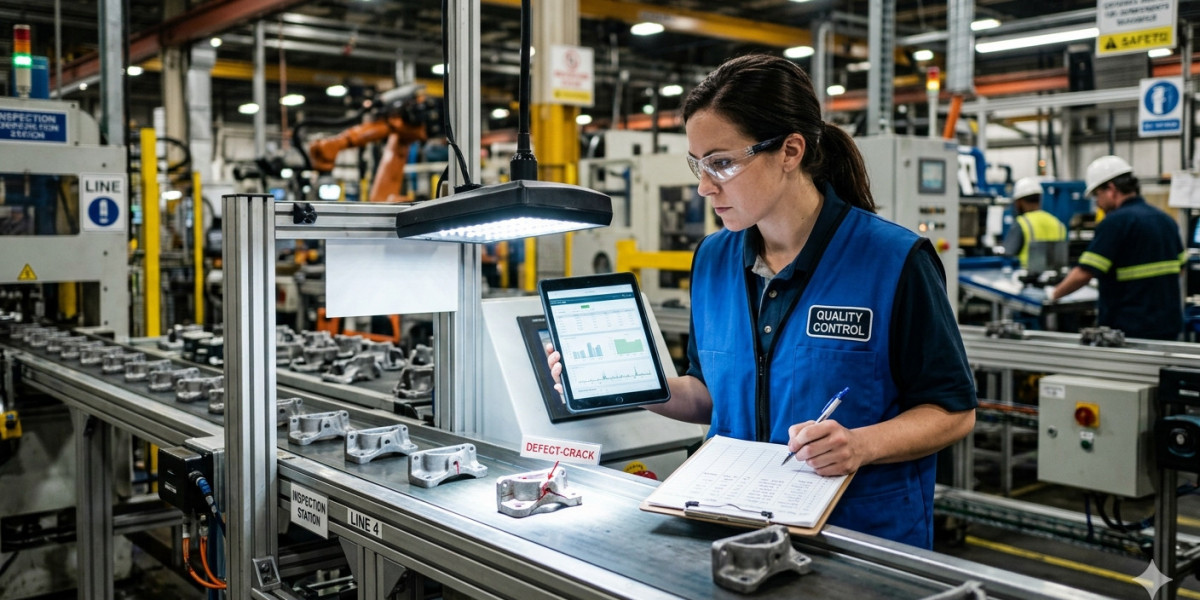
In an increasingly competitive and globalized market, quality control systems are the backbone of product reliability and customer satisfaction. Businesses depend on these systems to ensure that their goods meet required standards before reaching consumers. However, despite advancements in technology and stricter regulations, modern quality control processes are far from perfect.
Many organizations operate under the assumption that their quality control systems are strong enough to catch every defect. Unfortunately, this belief often overlooks critical gaps that can lead to costly errors. This is where a serious inspection industry warning becomes relevant—understanding the weak points in quality control is no longer optional; it’s essential.
The Overconfidence Problem in Quality Control
One of the most significant weaknesses in today’s quality control systems is overconfidence. Businesses often trust their processes simply because they have been in place for years or are widely used across the industry.
However, relying on outdated methods or unchecked procedures can create blind spots. For example, routine inspections may become predictable, causing inspectors to overlook subtle defects. Over time, this complacency reduces the effectiveness of quality control efforts.
An important inspection industry warning here is that familiarity does not equal reliability. Systems must evolve continuously to remain effective in detecting modern production issues.
Sampling Limitations and Hidden Defects
Most quality control systems rely on sampling rather than examining every single product. While sampling is practical and cost-effective, it introduces a margin of error that businesses often underestimate.
If defects are randomly distributed, a sample may fail to represent the overall batch accurately. This means defective products can pass through inspections undetected, only to be discovered later by customers.
This limitation highlights a critical weak point. Even when inspections are conducted correctly, they may not guarantee complete accuracy. Businesses must understand that sampling reduces risk—it does not eliminate it.
Inconsistent Standards Across Different Teams
Another major issue in quality control systems is inconsistency. Different inspectors, departments, or third-party agencies may interpret quality standards in different ways.
For instance, what qualifies as an acceptable variation in size or color might differ depending on who is conducting the inspection. These inconsistencies can lead to conflicting reports and confusion during decision-making.
This is a classic example often highlighted in any inspection industry warning—without standardized criteria, quality control becomes subjective rather than objective.
To address this, businesses need to establish clear, detailed, and measurable quality benchmarks that leave little room for interpretation.
Communication Breakdowns in the Supply Chain
Quality control systems often involve multiple stakeholders, including manufacturers, suppliers, inspectors, and buyers. When communication between these parties is unclear or incomplete, the entire system becomes vulnerable.
For example, if a buyer’s requirements are not communicated properly to the inspector, the inspection may focus on the wrong aspects of the product. As a result, the final report may appear satisfactory while missing critical issues.
These communication gaps are one of the most underestimated weak points in quality control. Even the most advanced systems can fail if the people involved are not aligned.
Time Pressure and Rushed Inspections
In fast-moving industries, speed is often prioritized over accuracy. Tight deadlines can force inspectors to complete evaluations quickly, sometimes at the expense of thoroughness.
Rushed inspections increase the likelihood of missed defects, incomplete documentation, and inaccurate conclusions. Businesses that prioritize speed over quality control are essentially increasing their exposure to risk.
This is another important inspection industry warning—efficiency should never compromise accuracy. A delayed shipment is often less damaging than delivering defective products to customers.
Dependence on Manual Processes
Despite technological advancements, many quality control systems still rely heavily on manual processes. Human inspectors play a central role in identifying defects, recording data, and making judgments.
While human expertise is valuable, it also introduces the possibility of error. Fatigue, bias, and simple oversight can affect inspection results.
Automation and digital tools can help reduce these risks, but they are not yet fully adopted across all industries. Businesses that fail to integrate technology into their quality control systems may find themselves at a disadvantage.
Limited Accountability and Transparency
Another weak point in modern quality control systems is the lack of accountability. In some cases, it is difficult to trace who is responsible for a missed defect or an inaccurate report.
This lack of transparency can create challenges when issues arise. Without clear accountability, it becomes harder to identify root causes and implement effective solutions.
Businesses must ensure that their quality control systems include proper documentation, traceability, and performance tracking. These elements are essential for continuous improvement and risk management.
The Cost of Ignoring Weak Points
Failing to address weaknesses in quality control systems can have serious consequences:
- Increased product returns and customer complaints
- Financial losses due to rework or recalls
- Damage to brand reputation
- Loss of customer trust
- Disruptions in the supply chain
In today’s competitive environment, even minor quality issues can escalate quickly, affecting long-term business success.
Strengthening Quality Control Systems
Understanding weak points is only the first step. Businesses must take proactive measures to strengthen their quality control systems and minimize risks.
1. Standardize Processes
Develop clear and consistent quality standards that can be applied across all teams and locations.
2. Improve Communication
Ensure that all stakeholders have a shared understanding of requirements and expectations.
3. Invest in Technology
Use digital tools, automation, and data analytics to enhance accuracy and efficiency.
4. Conduct Regular Audits
Evaluate quality control processes regularly to identify gaps and areas for improvement.
5. Train and Educate Teams
Provide ongoing training to inspectors and staff to keep them updated on best practices and emerging risks.
A Smarter Approach to Quality Assurance
Quality control should not be treated as a routine task. Instead, it should be viewed as a dynamic system that requires constant monitoring and improvement.
Businesses that take a proactive approach are better equipped to identify risks early and prevent costly mistakes. By addressing weak points, companies can build more reliable systems and deliver consistent quality to their customers.
Final Thoughts
Modern quality control systems are essential, but they are not foolproof. Hidden weaknesses—such as sampling limitations, inconsistent standards, communication gaps, and human error—can undermine even the most well-established processes.
This is why every business must pay attention to the broader inspection industry warning: relying blindly on quality control systems is a risk in itself. True quality assurance comes from understanding the limitations of these systems and taking steps to strengthen them.
In the end, businesses that recognize and address these weak points will not only reduce risks but also gain a competitive advantage. Quality is not just about meeting standards—it’s about exceeding expectations and building trust that lasts.


![FC 26 Coins – Fastest Ways to Buy & Earn [2024 Guide]](https://blacknews.news/upload/photos/2025/12/RlO9pgxsj2Rbuk3FLPyK_06_d581ab60d38b1b87ca885118624d2048_image.png)