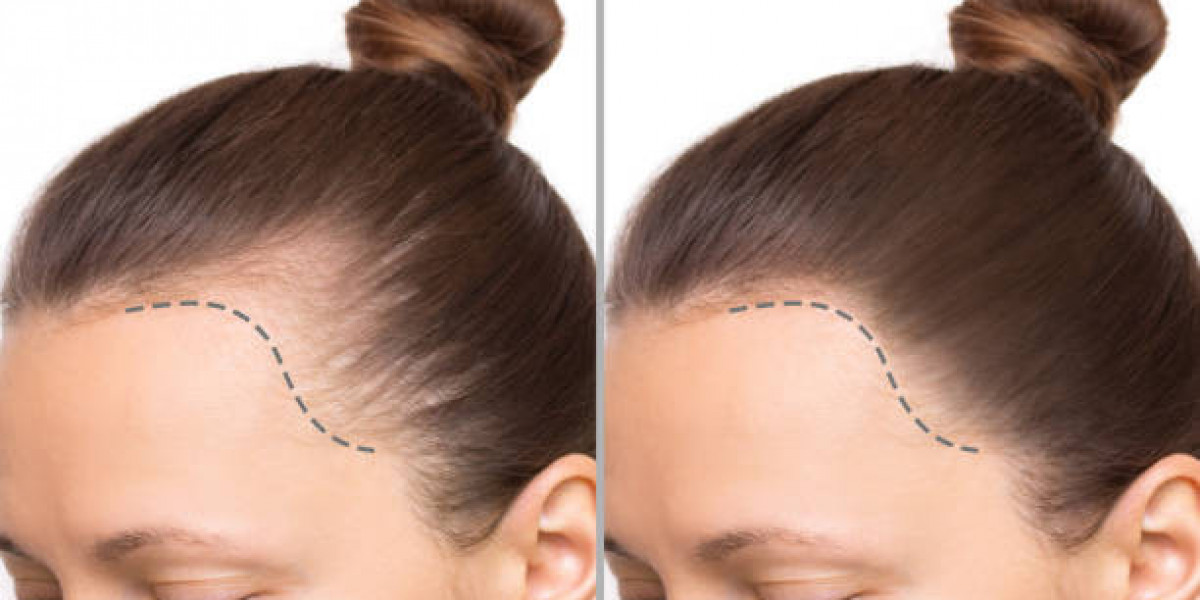
With the growing popularity of aesthetic procedures, Hair Transplant in Riyadh has become a preferred choice for many looking to restore natural hair growth and enhance self-confidence. The success of hair restoration depends on multiple factors, ranging from the patient’s health and hair characteristics to the techniques used during the procedure. Understanding these key elements ensures better planning, realistic expectations, and long-lasting results.
Modern clinics offering hair transplant in riyadh focus on advanced technologies, expert planning, and personalized treatment approaches. These methods are grounded in the science of hair follicle biology and scalp health, ensuring that transplanted follicles adapt effectively and thrive in their new location. Patients who are well-informed about the procedure, the factors affecting its outcomes, and the necessary aftercare are more likely to experience natural-looking and durable results.
Understanding Hair Health and Quality
The overall health and condition of your hair play a vital role in the success of a hair transplant. Healthy hair follicles are more likely to survive the transplantation process and produce new growth. Patients with strong, thick, and resilient donor hair tend to achieve better density and coverage in the treated areas.
Donor Area Assessment
The donor area, typically located at the back and sides of the scalp, provides follicles for transplantation. The quality, quantity, and density of hair in this region are critical in determining how many grafts can be successfully transplanted. Clinics carefully evaluate the donor area to ensure sufficient follicles are available for natural-looking results.
Hair Characteristics
Hair texture, color, curl, and thickness influence the overall aesthetic outcome. For example, curly or wavy hair can provide more coverage, while thicker strands tend to create a fuller appearance. These factors are considered during planning to achieve harmony with the patient’s existing hair.
Patient Health and Lifestyle Factors
Successful hair transplantation also depends on the patient’s general health. Chronic illnesses, nutritional deficiencies, or lifestyle habits such as smoking can affect healing and follicle survival. Maintaining a healthy lifestyle before and after the procedure enhances recovery and supports optimal growth.
Age and Hormonal Stability
While hair transplantation can be performed on a range of age groups, patients with stable hormonal levels often experience better long-term results. Hormonal fluctuations may contribute to ongoing hair loss, which can impact the transplanted areas if not properly managed.
Stress and Nutrition
Excessive stress and poor nutrition can weaken hair follicles and slow recovery. Clinics emphasize the importance of balanced diets, hydration, and stress management as part of a comprehensive approach to hair restoration.
Advanced Surgical Techniques
The method used during transplantation plays a significant role in determining success. Modern procedures such as Follicular Unit Extraction (FUE) and Follicular Unit Transplantation (FUT) rely on precision techniques to ensure follicle survival and natural hairline design.
Follicle Handling and Placement
Minimizing trauma to hair follicles during extraction and implantation is critical. Proper handling ensures that each follicle retains its viability and begins growing hair naturally once transplanted. The angle, direction, and spacing of follicles are meticulously planned to achieve a seamless and natural appearance.
Technology and Expertise
The use of magnification tools, advanced instruments, and digital planning systems allows specialists to customize procedures according to each patient’s hair pattern and density requirements. Clinics that integrate technology with skilled surgical techniques are more likely to deliver successful outcomes.
Post-Procedure Care and Recovery
Aftercare is essential for the long-term success of a hair transplant. Patients must follow post-procedure instructions, including gentle scalp care, avoiding strenuous activities, and protecting the transplanted area from sun exposure. Proper aftercare ensures the follicles establish themselves and begin healthy growth without complications.
Healing Timeline
Transplanted follicles may initially shed in the first few weeks, which is a normal part of the growth cycle. New hair typically begins to grow within a few months, gradually thickening over time. Understanding this process helps patients set realistic expectations.
Follow-Up and Maintenance
Regular follow-up visits allow specialists to monitor progress and address any concerns. Long-term maintenance, including healthy lifestyle practices, contributes to sustained hair density and overall success.
Patient Expectations and Psychological Readiness
A successful hair transplant is not only a physical outcome but also a psychological experience. Patients with realistic expectations, patience, and commitment to post-procedure care tend to achieve higher satisfaction. Clinics often provide counseling and education to help patients prepare mentally and emotionally for the process.
Frequently Asked Questions
Q: How soon will I see results after a hair transplant?
A: Initial shedding is normal, with new hair growth typically visible within three to four months. Full results can be observed after 9 to 12 months.
Q: Is hair transplantation suitable for both men and women?
A: Yes, both men and women experiencing hair thinning or baldness can benefit from this procedure, depending on hair density and donor availability.
Q: Are the results of a hair transplant permanent?
A: Transplanted hair is generally permanent as it comes from follicles resistant to hair loss. However, maintaining a healthy lifestyle helps ensure long-lasting outcomes.
Q: Is the procedure painful?
A: Local anesthesia is used during the procedure, and most patients experience minimal discomfort. Mild soreness may occur during the initial recovery period.
Q: Can I resume normal activities after the transplant?
A: Most daily activities can be resumed after a few days, but strenuous exercise should be avoided for the first couple of weeks to protect the transplanted follicles.
Schedule Your Consultation
If you are considering restoring your hair and confidence, a personalized consultation is the first step toward a successful outcome. At Enfield Royal Clinic, advanced hair transplant techniques are combined with expert care to ensure natural-looking, long-lasting results. Our team works closely with each patient to design a customized plan and provide guidance throughout the entire process, helping you achieve fuller and healthier hair with confidence.