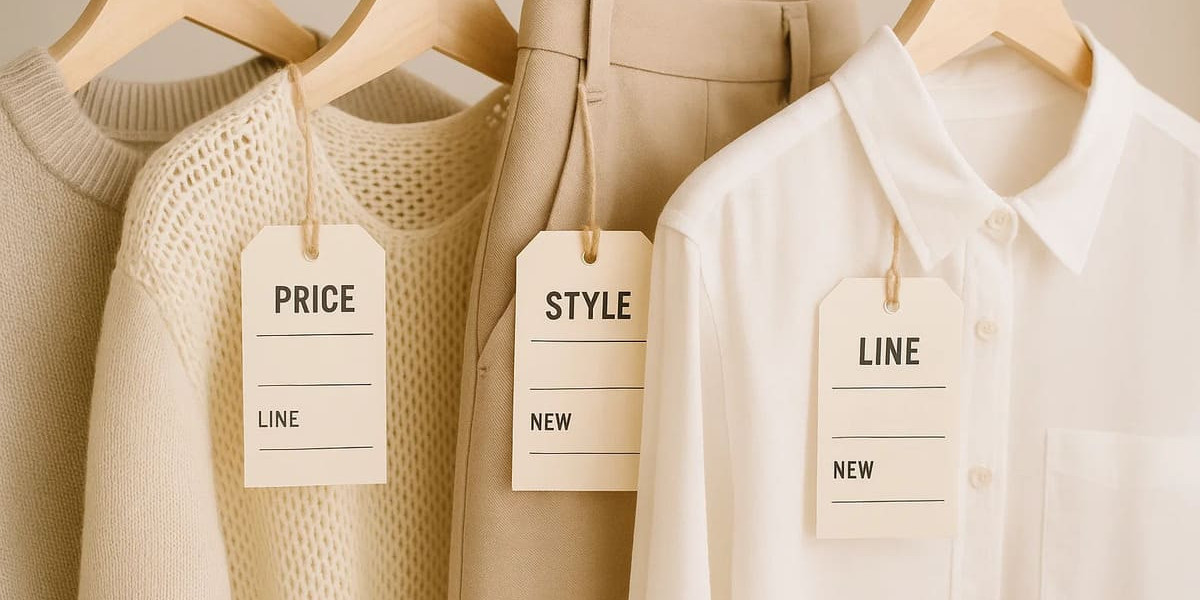
Custom apparel tags are a vital component of modern fashion and clothing businesses, playing a significant role in branding, product presentation, and customer communication. These tags are not just simple labels attached to garments; they are a reflection of a brand’s personality and values. In today’s competitive fashion market, businesses must focus on every detail to stand out, and apparel tags offer an effective way to do so. With options like custom apparel tags display and personalized apparel tags, brands can create a unique identity that resonates with their target audience while enhancing the overall shopping experience.
Importance of Apparel Tags
Apparel tags serve multiple purposes beyond displaying basic product information. They provide essential details such as size, fabric composition, care instructions, and pricing. At the same time, they act as a branding tool that helps customers recognize and remember your brand. A well-designed tag can communicate professionalism, quality, and trustworthiness. In retail environments, custom apparel tags display plays a crucial role in attracting customer attention and influencing purchasing decisions. By investing in high-quality tags, businesses can create a strong first impression and build long-term customer relationships.
Building Brand Identity
One of the key benefits of custom apparel tags is their ability to strengthen brand identity. Every brand has a story, and tags provide a platform to tell that story in a creative and visually appealing way. Personalized apparel tags allow businesses to incorporate logos, brand colors, slogans, and unique design elements that reflect their identity. Consistency in branding across all products helps establish recognition and trust among customers. When customers repeatedly see the same design elements, they are more likely to remember and choose your brand over competitors.
Enhancing Product Presentation
In the fashion industry, presentation is everything. Custom apparel tags contribute significantly to the overall look and feel of a product. A stylish and well-crafted tag can elevate even a simple garment, making it appear more premium and desirable. Retailers often use custom apparel tags display techniques to showcase their products in an attractive manner, whether on racks, shelves, or mannequins. The visual appeal of tags can capture customer interest and encourage them to explore the product further. This attention to detail can ultimately lead to increased sales and customer satisfaction.
Customization Options
Custom apparel tags offer a wide range of customization options to suit different brand needs. Businesses can choose from various shapes, sizes, colors, and finishes to create tags that align with their brand image. Popular customization techniques include embossing, debossing, foil stamping, and UV coating. Personalized apparel tags can also feature unique elements such as QR codes, barcodes, or personalized messages that enhance customer interaction. This level of customization allows brands to create distinctive tags that stand out in a crowded market and leave a lasting impression on customers.
Material Selection
The choice of material for apparel tags plays a crucial role in determining their durability and overall appearance. Common materials include paper, cardboard, fabric, leather, and plastic. Paper and cardboard tags are cost-effective and widely used, while fabric and leather tags offer a more premium and luxurious feel. Sustainable materials are also gaining popularity as brands strive to reduce their environmental impact. Selecting the right material depends on the type of clothing, brand positioning, and target audience. High-quality materials not only enhance the visual appeal but also ensure that the tags remain intact throughout handling and use.
Eco-Friendly Trends
Sustainability has become a major focus in the fashion industry, and custom tags no minimum are no exception. Many brands are now opting for eco-friendly materials and printing processes to reduce their carbon footprint. Recyclable and biodegradable tags are becoming increasingly popular among environmentally conscious consumers. By offering sustainable personalized apparel tags, businesses can demonstrate their commitment to environmental responsibility. This not only helps protect the planet but also enhances brand reputation and attracts customers who value eco-friendly practices.
Marketing and Customer Engagement
Custom apparel tags can be used as an effective marketing tool to engage customers and promote brand loyalty. By including creative messages, discount codes, or social media handles, brands can encourage customers to connect with them beyond the point of purchase. Personalized apparel tags can also be used to share brand stories, highlight product features, or provide styling tips. This added value enhances the customer experience and creates a deeper connection between the brand and its audience. In a competitive market, such engagement can make a significant difference in retaining customers and driving repeat business.
Versatility in Fashion Industry
Custom apparel tags are versatile and can be used across various types of clothing, including casual wear, formal wear, sportswear, and luxury fashion. Each category can benefit from unique tag designs that complement the style and purpose of the garments. For example, luxury brands may opt for elegant and minimalistic tags, while sportswear brands may choose bold and dynamic designs. This versatility allows businesses to tailor their tags according to their specific needs and target market, ensuring a cohesive and appealing brand image.
Conclusion
Custom apparel tags are an essential element of modern branding and product presentation in the fashion industry. They serve as both functional labels and powerful marketing tools that help businesses stand out in a competitive market. With options like custom apparel tags display and personalized apparel tags, brands can create unique and engaging experiences for their customers. From material selection to design customization, every aspect of apparel tags can be tailored to reflect a brand’s identity and values. By investing in high-quality and creative tags, businesses can enhance their product appeal, build strong brand recognition, and foster long-term customer loyalty.