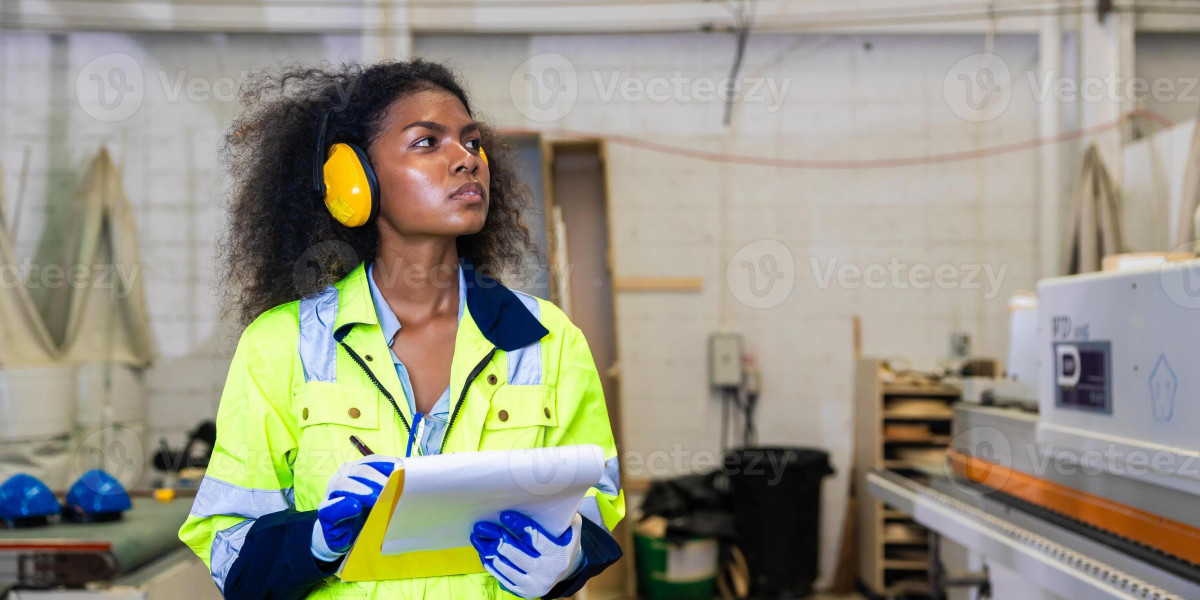
In many workplaces, accidents are not caused by a lack of rules but by a lack of coordination. Picture a construction site where one worker assumes equipment has been checked, while another believes someone else handled it. This gap in communication creates risk, even when safety procedures exist. Poor coordination often turns small oversights into serious incidents.
Training plays a key role in aligning teams and clarifying responsibilities. Many professionals strengthen their safety awareness through structured programs that lead to an OSHA Certificate, helping them recognize how communication gaps contribute to workplace hazards and how to prevent them.
The Link Between Team Coordination and Safety
Workplace safety depends on how well teams communicate, share responsibilities, and act together. Even the most detailed safety plan fails if team members are not aligned.
How Miscommunication Creates Risk
When instructions are unclear or incomplete, workers may take incorrect actions. For example, in a warehouse, if one team does not inform another about a slippery floor, the risk of falls increases. Clear communication ensures everyone is aware of hazards and responsibilities.
Common Causes of Poor Team Coordination
Coordination issues often develop gradually and may go unnoticed until a problem occurs.
Key Causes
- Unclear Roles: Employees unsure of their responsibilities
- Lack of Communication Channels: No structured way to share updates
- Time Pressure: Rushed tasks leading to skipped coordination steps
- Inconsistent Training: Teams with different levels of safety knowledge
These factors create confusion, increasing the likelihood of safety failures.
Real-World Impact of Poor Coordination
In a manufacturing unit, a maintenance team shut down a machine for repairs but failed to inform operators. When the machine was restarted unexpectedly, it caused a near-miss incident. This example highlights how coordination gaps can lead to dangerous situations.
On the other hand, teams that communicate clearly and follow shared processes prevent such risks. They create an environment where safety becomes a collective responsibility rather than an individual task.
Risks Associated with Coordination Failures
Immediate Risks
- Increased accidents and near-misses
- Delays due to confusion or repeated work
- Unsafe handling of equipment
Long-Term Risks
- Reduced trust among team members
- Higher employee turnover due to unsafe conditions
- Repeated safety violations and compliance issues
Ignoring coordination issues allows these risks to grow over time.
Strategies to Improve Team Coordination
1. Define Roles Clearly
Each team member should know their specific duties. Clear role definition reduces confusion and ensures accountability.
2. Establish Communication Protocols
Create structured methods for sharing updates, such as daily briefings or digital logs.
3. Encourage Open Feedback
Employees should feel comfortable raising concerns or pointing out gaps. Open communication strengthens coordination.
4. Use Visual Aids and Checklists
Checklists and visual reminders help teams follow processes consistently, especially in high-risk environments.
5. Conduct Regular Team Meetings
Frequent discussions keep everyone aligned and allow teams to address issues before they escalate.
Practical Steps to Strengthen Coordination
Step 1: Assess Current Practices
Observe how teams communicate and identify gaps in coordination.
Step 2: Standardize Processes
Develop clear procedures for common tasks to ensure consistency across teams.
Step 3: Train Teams Together
Joint training sessions help align knowledge and expectations. Example: In a logistics company, joint safety briefings reduced loading errors significantly.
Step 4: Monitor and Improve
Review coordination regularly and adjust processes based on feedback and incident reports.
The Role of Training and Certification
Structured training helps teams develop shared knowledge and communication skills. Programs leading to an OSHA Certificate provide guidance on hazard recognition, teamwork, and safe practices. These programs help individuals see how their actions affect others in the workplace.
Choosing the Right Learning Path
When selecting training, look for programs that include practical exercises and real-world scenarios. For professionals seeking advanced knowledge, an OSHA 30 hour Certification offers deeper insight into workplace safety, leadership, and coordination strategies. This level of training supports stronger team alignment and more effective safety practices.
FAQs
1. Why does poor coordination lead to safety failures?
It creates gaps in communication, causing tasks to be missed or performed incorrectly.
2. How can teams improve coordination quickly?
Start with clear communication protocols and regular briefings.
3. What role does training play in coordination?
Training aligns team knowledge and improves communication skills.
4. Are checklists effective for team coordination?
Yes, they help ensure tasks are completed consistently and correctly.
5. Who benefits most from OSHA 30 hour Certification?
Supervisors and team leaders who manage safety and coordination.
Conclusion
Poor team coordination is a major cause of workplace safety failures. Clear communication, defined roles, and consistent training help prevent these issues. Programs leading to an OSHA Certificate and advanced options like OSHA 30 hour Certification equip teams with the skills needed to work together effectively. Strong coordination builds a safer, more reliable workplace where risks are managed proactively.