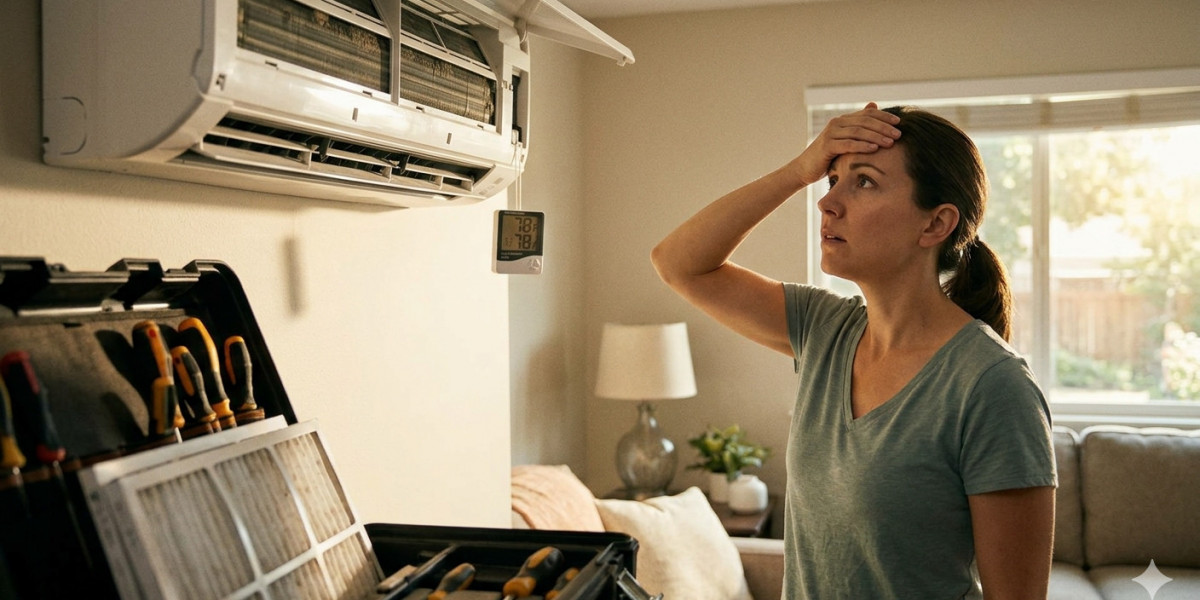
A cold air conditioner is essential for comfort, especially during hot summer months. When your AC starts blowing warm air, it can quickly disrupt your home environment. Many homeowners in the USA are unsure why this happens and how to fix it. Addressing the problem early can prevent further damage and higher repair costs. Residents in North Carolina often rely on professional services like Air conditioning repair Cary NC to diagnose and resolve AC issues safely and efficiently.
Air conditioners work by circulating refrigerant through coils to remove heat from the air. If this process is interrupted, the unit cannot cool properly. Warm air from vents can signal a mechanical problem, low refrigerant levels, or blocked airflow. Ignoring these signs can strain your system and shorten its lifespan.
Common Causes of Warm Air
Several factors can cause an AC to blow warm air. Understanding them helps homeowners take action quickly.
- Dirty Air Filters: Clogged filters reduce airflow and prevent the system from cooling efficiently. Replacing or cleaning filters every 1–3 months maintains proper airflow and improves cooling performance.
- Low Refrigerant Levels: Refrigerant is essential for absorbing heat. Leaks or low levels prevent the AC from cooling air effectively. Only licensed technicians should handle refrigerant because it is hazardous and requires precise measurement.
- Thermostat Issues: Incorrect thermostat settings or faulty wiring can prevent the AC from running properly. Ensure the thermostat is set to "cool" and the temperature is lower than the room’s current temperature.
- Blocked or Closed Vents: Closed vents or blocked ductwork reduce airflow, forcing the system to work harder and blow warm air. Check that all vents are open and free from obstructions.
- Frozen Coils: Ice buildup on evaporator coils can block cooling. This often results from low refrigerant, dirty filters, or continuous operation without breaks. Turning off the unit and letting it thaw can provide temporary relief, but professional inspection is usually required.
- Compressor or Electrical Failures: The compressor pumps refrigerant through the system. If it fails or electrical components malfunction, the AC cannot cool. These issues require professional repair to ensure safety and proper function.
How to Address the Problem
Some AC problems can be fixed with simple maintenance. Replacing filters, clearing vents, and checking thermostat settings are easy steps homeowners can take. However, issues like refrigerant leaks, frozen coils, or compressor failures require professional help. Licensed technicians have the right tools and knowledge to repair your system efficiently and safely.
Preventive maintenance is key. Scheduling annual inspections keeps your AC in top condition, reduces the risk of warm air problems, and extends the life of the system. Regular maintenance includes checking refrigerant levels, cleaning coils, lubricating motors, and inspecting electrical components.
Pay attention to warning signs such as unusual noises, uneven cooling, or higher energy bills. Early detection prevents emergencies and costly replacements. A well-maintained AC provides consistent comfort and improves energy efficiency throughout the home.
For homeowners looking to upgrade or replace an old system, professional services like cary air condition installation offer guidance on the best models for your home size and energy needs. Proper installation ensures reliable cooling and long-term performance.
By: M N Farooq